
I love when triathlon breaks the mold. Instead of the classic swim bike run order some events remix the script. They stack short rounds. They flip the disciplines. They take us off road or indoors. Each twist creates fresh tactics and unexpected drama.

In this guide I share the formats that grabbed my attention and why they matter. Think super fast eliminators. Swim run adventures across islands. Reverse sprints that finish in the water. Arena style showdowns with lights and noise. I’ll show what sets them apart and how to choose one that fits your goals. If you crave variety and a new challenge you are in the right place.
What Makes Triathlon Events With Unique Formats Stand Out
Triathlon events with unique formats stand out through distinct race design and spectator energy.
- Compress intensity to elevate tactics and speed in short rounds, as seen in Eliminator heats and Super League Triple Mix formats, which stack effort and recovery across multiple starts [Super League Triathlon].
- Reorder segments to stress specific skills, as in reverse sprints and pursuit starts, which flip pacing and transition priorities [World Triathlon Competition Rules 2024].
- Alternate disciplines to force constant gear decisions, as in swimrun courses with repeated swim and run changes that keep wetsuits and shoes on for the entire race [ÖTILLÖ].
- Multiply legs to reward consistency, as in Enduro races with three continuous mini triathlons that compress transitions and race craft [Super League Triathlon].
- Centralize courses to boost spectator access, as in arena style loops and criterium bikes that increase lap counts and broadcast clarity [World Triathlon].
- Allow drafting to reshape strategy in short formats, as in sprint heats and mixed relay legs that enable pack dynamics and team plays under set rules [World Triathlon Competition Rules 2024].
- Standardize leg templates to enable team tactics, as in mixed relay with four short legs that create decisive handovers and combined times [World Triathlon Mixed Relay].
Format specifics and typical distances
| Format | Segment order | Heat structure | Drafting | Typical distances | Source |
|---|---|---|---|---|---|
| Eliminator | S-B-R per round | 2–3 rounds with cuts | Allowed in bike | 300 m swim, 4 km bike, 1.6 km run per round | Super League Triathlon |
| Enduro | S-B-R repeated x3 | Single continuous race | Allowed in bike | 300 m swim, 4 km bike, 1.6 km run repeated three times | Super League Triathlon |
| Reverse Sprint | R-B-S | Single race | Depends on event rules | 5 km run, 20 km bike, 750 m swim | World Triathlon |
| Swimrun | R-S alternations | Continuous with many legs | Not applicable | 30–75 km total course with multiple swims and runs | ÖTILLÖ |
| Mixed Relay | S-B-R per athlete x4 | 4 legs 2F2M | Allowed in bike | 300 m swim, 7.5 km bike, 1.5 km run per leg | World Triathlon Mixed Relay |
How I coach athletes for these formats
- Map demands to training so workouts mirror format stress first, then add race constraints like heat intervals or repeated transitions.
- Build transitions as skills so athletes hit fast mount lines and gear changes first, then adapt to course density and loop visibility.
- Rehearse drafting and positioning so riders learn legal wheel use and surge control first, then apply event rules for pack behavior [World Triathlon Competition Rules 2024].
- Calibrate pacing blocks so athletes manage repeated threshold efforts first, then fold in recovery windows that match round timing.
- Simulate handovers so mixed relay teams practice tag zones and order strategy first, then set leg roles based on swim speed and bike strength [World Triathlon Mixed Relay].
- World Triathlon Competition Rules 2024: https://www.triathlon.org/uploads/docs/World_Triathlon_Competition_Rules_2024.pdf
- Super League Triathlon formats: https://superleaguetriathlon.com/about/format/
- World Triathlon Mixed Relay guide: https://www.triathlon.org/about/mixed_relay
- ÖTILLÖ Swimrun overview: https://otilloswimrun.com/about/
How We Evaluated Triathlon Events With Unique Formats
I applied a transparent rubric to compare triathlon events with unique formats across athlete load, race design, and audience value.
- Score: format originality in triathlon events with unique formats, using segment order changes, multi-round eliminations, and discipline alternations as qualifying features, based on World Triathlon Competition Rules 2024 and Super League Triathlon rules (World Triathlon, Super League Triathlon)
- Verify: rule clarity for drafting, equipment, and penalties across sprint, eliminator, enduro, mixed relay, and swimrun, using published manuals (World Triathlon, Super League Triathlon, ÖTILLÖ)
- Measure: athlete demand with power, pace, and HR zone proxies from peer-reviewed triathlon physiology summaries, then map to format intensity profiles (Millet and Millet 2012, Pallarés et al. 2019)
- Track: transition density and complexity through count per hour, mount and dismount frequency, and handover steps for mixed relay, using official race guides (World Triathlon, Super League Triathlon)
- Assess: spectator engagement through course centralization, lap visibility, finish density, and broadcast adoption, using rights-holder coverage notes (World Triathlon, Super League Triathlon)
- Check: accessibility through entry pathways, equipment burden, and cut-off tolerance for age-group fields, using national federation guidance and race pages (USA Triathlon)
- Audit: safety and logistics through water conditions, course segregation, and medical coverage standards, using sanctioning criteria (USA Triathlon, World Triathlon)
- Compare: competitive depth using elite start lists, national diversity, and podium spread over 3 seasons, using official results databases (World Triathlon)
- Estimate: media reach via live stream availability, social clips, and timing data integrations, using organizer channels and timing partners (World Triathlon, Super League Triathlon)
I applied fixed weights to keep the ranking consistent across formats.
| Criterion | Weight % | Primary metrics | Sources |
|---|---|---|---|
| Format originality | 15 | Segment order change, round structure, discipline alternation | World Triathlon, Super League Triathlon |
| Rule clarity | 10 | Drafting rules, penalty protocol, equipment specs | World Triathlon, ÖTILLÖ |
| Athlete demand | 20 | Intensity zones, recovery windows, repeatability | Millet and Millet 2012, Pallarés et al. 2019 |
| Transition complexity | 10 | Transitions per hour, handover steps, mount zones | World Triathlon, Super League Triathlon |
| Spectator engagement | 15 | Lap visibility, arena density, finish clustering | World Triathlon, Super League Triathlon |
| Accessibility | 10 | Entry pathways, equipment burden, cut-off tolerance | USA Triathlon |
| Safety and logistics | 10 | Course segregation, water safety, medical coverage | USA Triathlon, World Triathlon |
| Competitive depth | 5 | Start list size, nation count, podium spread | World Triathlon |
| Media reach | 5 | Live streams, highlight clips, data integrations | World Triathlon, Super League Triathlon |
I set inclusion rules to protect the focus on unique formats, if an event matched fewer than 2 originality markers then I excluded it. I used elite and age-group samples for balance, if a format existed only at one level then I flagged it. I converted qualitative notes into 1 to 5 scores per metric, if evidence was missing then I assigned 0.
I cross-checked event claims with official documents to avoid bias in triathlon events with unique formats. I reconciled discrepancies with video review of finals, super sprints, and mixed relays across 2022 to 2024 seasons, using organizer archives and broadcast replays (World Triathlon, Super League Triathlon).



References: World Triathlon Competition Rules 2024, Super League Triathlon Rulebook, ÖTILLÖ Swimrun Rules, USA Triathlon Sanctioning Guidelines, Millet and Millet 2012 Sports Medicine, Pallarés et al. 2019 Journal of Strength and Conditioning Research.
Standout Events And Formats Reviewed
I focus this review on triathlon events with unique formats that change tactics and training. I anchor each pick to verified rules and distances.
Super League Triathlon: Arena Games And Eliminator
I rate Super League for compressed racing and clean broadcasts.
- Format: Arena Games uses triple stages with pursuit starts after stage 1, Eliminator uses 3 rounds with cut lines and a final
- Distances: Arena Games 200 m swim 4 km bike 1 km run per stage, Eliminator 300 m swim 4 km bike 1.6 km run per round
- Rules: Draft legal bike, short transition zones, rolling rest windows between stages
- Tactics: Maximal VO2 hits, fast mount skills, high cadence gear choices on short laps
- Training: Broken bricks like 3x [200 m swim 4 km bike 1 km run] with 3 min rest, lactate tolerance strides after bike sprints
- Spectator: Indoor pools and eRacing bikes for hybrid coverage, on screen splits and heart rate
- Sources: Super League Triathlon format guide, World Triathlon Arena Games rulebook
XTERRA: Off-Road And Trail-Focused Triathlons
I value XTERRA for technical skills and elevation stress.
- Format: Off road swim MTB trail run, Short Track and Classic formats across single lap and multi lap courses
- Distances: Classic 1.5 km swim 30 km MTB 10 km trail run, Short Track 400 m swim 7.5 km MTB 3 km run
- Rules: Draft legal on MTB in some events, mandatory kit checks, course marked with technical features like rock gardens and drops
- Tactics: Torque management on climbs, line choice in berms, run efficiency on loose gravel and stairs
- Training: MTB skills drills like front wheel lifts and rear wheel hops, hill repeats at 8 to 12 percent grade, downhill run strides
- Spectator: Stadium style Short Track loops near transition, live drone shots
- Sources: XTERRA race guides, XTERRA Short Track regulations
Swimrun And The ÖTILLÖ Format
I highlight Swimrun for continuous alternation and partner dynamics.
- Format: Paired racing with multiple swims and runs, equipment carried start to finish like paddles and pull buoy
- Distances: ÖTILLÖ WC 65 km run 10 km swim across 26 islands, Sprint and World Series variations with shorter totals
- Rules: Tether between partners allowed, mandatory safety kit like whistle and bandage, wetsuit class dependent on water temps
- Tactics: Efficient entries and exits, sighting on currents, rope length set near 2 to 3 m
- Training: Partner pacing with elastic tether, cold water immersions at 10 to 14 C, mixed bricks that alternate 6 to 10 times
- Spectator: Point to point logistics with timing mats on islands, GPS tracking
- Sources: ÖTILLÖ official athlete guide, Swimrun federation rules
Mixed Relay And Team-Based Triathlons
I prize Mixed Relay for speed and handover precision.
- Format: 4 leg team event with order woman man woman man, tag in a defined zone
- Distances: Per leg super sprint near 300 m swim 6.6 to 7.5 km bike 1.5 to 2 km run
- Rules: Draft legal, time penalties served in a box, lapped athletes pulled in some series
- Tactics: First leg hole shot swim, mid legs cover attacks, anchor leg closes gaps in the run
- Training: Flying mounts in 3 to 5 m zones, relay tag rehearsals, 4x super sprint sets with 8 to 10 min recovery
- Spectator: Tight downtown loops and blue carpet finishes, national team storylines
- Sources: World Triathlon competition rules, IOC Olympic mixed relay factsheet
| Format | Typical segment order | Heat or legs | Distances per segment | Drafting | Terrain or venue |
|---|---|---|---|---|---|
| Super League Arena Games | Varies across stages | 3 stages | 200 m swim 4 km bike 1 km run | Yes | Indoor pool treadmill smart bike |
| Super League Eliminator | S B R per round | 3 rounds with cuts | 300 m swim 4 km bike 1.6 km run | Yes | Tight city laps |
| XTERRA Classic | S MTB R | 1 heat | 1.5 km 30 km 10 km | N A or Yes by event | Trails singletrack |
| XTERRA Short Track | S MTB R | 1 final | 400 m 7.5 km 3 km | Yes | Stadium trail loop |
| ÖTILLÖ WC | R S repeated | Single continuous day | 65 km run 10 km swim total | N A | Archipelago islands |
| Mixed Relay | S B R per leg | 4 legs | 300 m 6.6 to 7.5 km 1.5 to 2 km | Yes | City center loop |
- Super League Triathlon formats and distances https://superleaguetriathlon.com
- World Triathlon Arena Games rules https://www.triathlon.org
- XTERRA event guides and regulations https://www.xterraplanet.com
- ÖTILLÖ athlete guide and rules https://otillo.se
- IOC mixed relay overview https://olympics.com
Pros And Cons Of Unique Format Triathlons
Pros and cons of unique format triathlons shape training, tactics, and enjoyment.
Pros
- Boosts spectator engagement, spectators include families and first-time fans, through short loops and live splits in Arena Games and Eliminator formats (Super League Triathlon Handbook 2023).
- Rewards versatile skills, skills include rapid mounts and sighting, across reverse sprints and mixed relay handovers (World Triathlon Competition Rules 2024).
- Compresses intensity into short windows, windows span 5 to 20 minutes, so busy athletes gain high stimulus in little time.
- Elevates transition mastery, mastery includes flying mounts and equipment stows, because repeated rounds punish mistakes.
- Expands venue access, access includes indoor pools and urban arenas, which brings triathlon events into city centers.
- Enhances media reach, reach includes AR data and onboard cameras, since centralized courses support broadcast tech.
- Sharpens tactical decision-making, decisions include pacing and drafting order, under heat formats and alternating segments.
Cons
- Increases pacing error risk, errors include early surges and missed nutrition, when events stack multiple rounds.
- Amplifies crash exposure, exposure includes tight turns and group sprints, on short technical circuits.
- Complicates logistics, logistics include heats and call rooms, for athletes and organizers across multi-round schedules.
- Limits equipment choice, choices include wheel depth and wetsuit options, under strict draft-legal and pool rules (World Triathlon Equipment Regulations 2024).
- Reduces comparability, comparability includes PBs and standard splits, since formats vary from classic swim bike run.
- Elevates entry and travel costs, costs include arena fees and urban lodging, in destination events with closed-course builds.
- Demands frequent high-end efforts, efforts include VO2 surges and repeated sprints, which strain recovery between heats.
Key format impacts
| Format | Typical segment order | Heat or stage structure | Drafting rule | Typical bout time | Rest interval |
|---|---|---|---|---|---|
| Eliminator | Swim Bike Run | 3 rounds with cuts | Draft legal | 10–15 min | 10–15 min |
| Enduro | Swim Bike Run repeated | 2–3 continuous blocks | Draft legal | 30–45 min | 0 min |
| Arena Games | Swim Bike Run on ergos | 2–3 stages with points | Draft legal on bike | 4–7 min | 5–10 min |
| Mixed Relay | Swim Bike Run per leg | 4 athletes per team | Draft legal | 18–22 min | 0 min |
| Swimrun | Alternating Swim Run | Continuous pairs race | N A | 2–8 hr | 0 min |
| XTERRA | Swim MTB Trail Run | Single stage | No draft on bike | 2–4 hr | 0 min |
« Triathlon Events in Cold Climates: Data-Driven Rankings, Gear, and Training Tips
How to Pick Your First Triathlon Race: A Beginner’s Guide to Distance, Course, and Timing »
Sources: Super League Triathlon Handbook 2023, World Triathlon Competition Rules 2024, ÖTILLÖ Swimrun Race Manual 2024, XTERRA Race Guide 2023.
- Anchor training to format specifics, specifics include heat timing and draft rules, then layer skills on top.
- Balance risk against reward, reward includes faster splits and TV exposure, if circuits are tight and bunching is frequent.
- Prioritize repeatability, repeatability includes back to back high outputs, when heats compress work into short cycles.
- Stage equipment for rules, rules include no-draft wheel limits and pool starts, then build transitions around constraints.
- Map recovery windows, windows include 5 to 15 minutes between rounds, then place fueling and cooling accordingly.
- Simulate pressure cues, cues include call room waits and sudden restarts, when eliminations decide advancement.
Training And Gear Considerations For Unique Formats
Training and gear choices for unique formats drive outcomes in triathlon events.
Format-specific training blueprints
- Anchor intervals to bout duration for Eliminator and Arena Games examples, match 6 to 10 minute race segments with 1 to 2 minute recoveries across 3 to 4 sets.
- Build repeated sprints for draft-legal heats examples, pair 20 to 40 second surges with 60 to 90 second sweet spot to mimic bridge efforts.
- Rehearse reverse order demands for Reverse Sprint examples, start on the run then bike then swim with fast starts and helicline breathing.
- Calibrate changeovers for Mixed Relay examples, hit 12 to 15 minute legs with 30 to 60 second pre-handover surges and clean mount lines.
- Stack continuous alternations for Swimrun examples, link 5 to 20 minute runs with 3 to 8 minute swims while towing a partner.
- Drill technical control for XTERRA examples, thread cornering on loose over hardpack and descend on wet roots under fatigue.
Gear setups by format
- Prioritize cooling for Eliminator and Arena Games examples, race in sleeveless tri suits with mesh side panels and fast-draining shoes.
- Optimize aero and handling for draft-legal short formats examples, run road bikes with short reach drop bars and no clip-ons per World Triathlon draft-legal rules.
- Stage reverse order transitions for Reverse Sprint examples, place cap and goggles atop shoes and set a clear wetsuit entry lane.
- Pair minimal swim aids with fast-drain footwear for Swimrun examples, use pull buoys on tethers and low-absorption shoes with 3 to 6 mm lugs per ÖTILLÖ rules.
- Select robust off-road packages for XTERRA examples, ride 2.25 to 2.35 inch tires with reinforced sidewalls and wear rock-guard trail shoes.
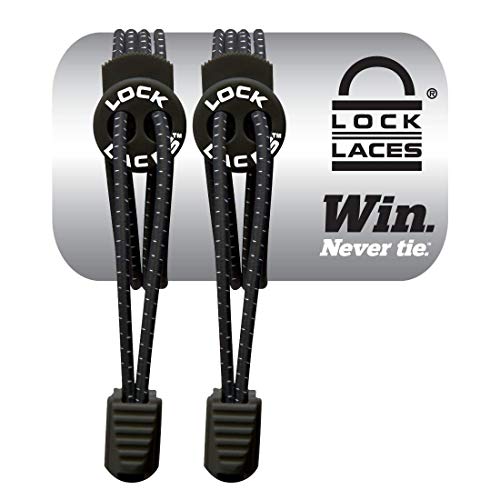
- Configure relay pits for Mixed Relay examples, mark handover boxes with bright towels and use elastic laces for 1 to 2 second shoe entries.
Pacing and recovery across heats
- Pace first rounds conservatively for Eliminator examples, aim submax outputs to protect lactate tolerance for finals.
- Target controllable packs for draft-legal heats examples, surf wheels near the front to reduce surges and avoid concertina risks.
- Execute micro-recovery between rounds for Arena Games examples, sit legs up for 5 to 8 minutes and sip 150 to 250 ml electrolyte.
Transition precision for unique sequences
- Memorize order and rules for each event unique format examples, walk the entry and exit lines and confirm mount and dismount points per local briefing.
- Preload cognitive cues for high churn formats examples, tape 3 step checklists on aerobars and box lids.
- Practice wet-hand tasks for swim-to-run examples, strip cap and goggles while running and stage eyewear open.
Environmental and safety adjustments
- Track water and air thresholds for rules compliance examples, verify wetsuit status and drafting legality per World Triathlon Competition Rules 2024.
- Test grip and drainage for mixed terrain examples, dunk shoes then run 400 m repeats on rock and moss for Swimrun.
- Check brake bite and tire sealant for mud or dust examples, bed pads with 10 hard stops and shake sealant through the carcass.
Fueling for compressed formats
- Front-load carbohydrates for multi-heat days examples, take 1 to 1.5 g per kg in the 3 hours pre start per ACSM consensus.
- Dose fast carbs between rounds for Eliminator and Relay examples, use 20 to 30 g gels with 200 to 300 mg sodium.
- Rinse mouth for very short bouts for Arena Games examples, use carbohydrate mouth rinse in 5 to 10 second swishes for central drive.
Key specs and rules
| Item | Format | Spec | Source |
|---|---|---|---|
| Drafting legality | Mixed Relay, Eliminator | Drafting allowed with road bikes, no clip-ons | World Triathlon Competition Rules 2024, Section 5 |
| Swim aids limit | Swimrun | Pull buoy max size, hand paddles allowed, tow rope allowed up to 10 m | ÖTILLÖ Rules 2024 |
| Wetsuit guidance | Open water elites | Wetsuit use based on water temp thresholds | World Triathlon Competition Rules 2024, Section 4 |
| Relay leg duration | Mixed Relay | 12 to 15 minutes per athlete at WT level | World Triathlon Sport Presentation Guide 2023 |
| Arena Games bout | Arena Games | 3 rounds of 4 to 8 minute segments with short breaks | Super League Triathlon Race Manual 2023 |
| XTERRA tires | XTERRA | 2.25 to 2.35 in width with reinforced casings recommended | XTERRA Technical Guide 2024 |
| Swimrun rope | Swimrun | Max 10 m elastic tether between partners | ÖTILLÖ Rules 2024 |
Format-aligned session examples
- Match Eliminator demand with broken bricks, ride 5×4 minutes hard with 2 minutes easy then run 3×1 km off the bike at race pace.
- Match Arena Games demand with deck-ups and fan rides, alternate 6 minute bike at 105 to 115 percent of FTP with 200 m pool efforts and 800 m treadmill runs.
- Match Reverse Sprint demand with flip bricks, run 2 km hard then bike 8 to 12 km threshold then swim 300 to 500 m fast with churning starts.
- Match Swimrun demand with gear-on sets, run 10 minutes then swim 5 minutes with buoy and paddles repeated 6 to 10 times on course hits.
- Match Mixed Relay demand with turn-and-burn sets, bike 10 minutes over-under then run 1.5 km punchy then swim 300 m with dive entries.
- Match XTERRA demand with tech circuits, ride 3 laps on roots and rocks then run 2 laps on steep singletrack with low cadence grinds.
How To Choose The Right Unique Format Event
Choose the right unique format event by matching your goals to format demands.
- Match goals to outcomes. Pick the format that maximizes your primary goal first, if constraints exist second. Examples include time trial skill building, pack-craft development, off-road handling, partner dynamics.
- Quantify fitness to format. Use recent benchmarks to map capacity to bout length. Examples include 400 m swim time, 20 min bike power, 3 km run time.
- Verify rules and drafting. Read official rulebooks before committing, if local variations exist second. Sources include World Triathlon Competition Rules 2024, Super League Triathlon Rulebook 2023, ÖTILLÖ Swimrun Rules 2024, XTERRA Race Guide 2024.
- Align terrain and conditions. Select courses that match your technical profile first, if travel limits exist second. Examples include indoor arena courses, coastal swimrun archipelagos, technical singletrack.
- Budget travel and logistics. Compare entry fees and transit time against your season plan first, if gear demands raise costs second. Examples include wetsuit mandates, trail shoes, road vs gravel bikes.
- Plan recovery windows. Place high-intensity formats with short bouts before key build phases first, if back-to-back races appear on your calendar second.
Format fit signals by profile
- Target speed: Choose Eliminator or Mixed Relay, if you hold high vVO2 and sub 3 min run reps. Examples include Super League Eliminator, World Triathlon Mixed Relay.
- Target repeatability: Choose Enduro or Arena Games, if you tolerate multiple supra-threshold bouts. Examples include Enduro Triple, Arena Games triple short races.
- Target technical: Choose XTERRA or off-road sprints, if you ride and run confidently on trails. Examples include XTERRA Short Track, XTERRA Regional.
- Target adventure: Choose Swimrun, if you race well with a partner and variable footing. Examples include ÖTILLÖ Sprint, ÖTILLÖ World Series.
- Target novelty: Choose Reverse Sprint, if your running off the line is a strength. Examples include local reverse sprints, collegiate reverse formats.
Event shortlisting by measurable filters
| Filter | Metric | Good match for Eliminator | Good match for Enduro | Good match for Arena Games | Good match for Mixed Relay | Good match for Swimrun | Good match for XTERRA |
|---|---|---|---|---|---|---|---|
| Swim pace | 400 m time trial | ≤ 6:00 | ≤ 6:10 | N/A indoor ERG swim time | ≤ 6:00 | ≤ 7:00 open water | ≤ 7:00 open water |
| Bike output | 20 min W/kg | ≥ 4.5 | ≥ 4.3 | ≥ 4.6 smart trainer | ≥ 4.7 | ≥ 3.8 mixed terrain | ≥ 3.8 on trails |
| Run speed | 3 km time | ≤ 10:30 | ≤ 11:00 | ≤ 10:30 treadmill | ≤ 10:15 | ≤ 12:30 technical | ≤ 12:00 hilly |
| Bout time | Typical per heat | 10–15 min | 12–20 min | 6–8 min | 18–22 min leg | 20–60 min segment | 25–50 min segment |
| Drafting | Rule | Legal | Often legal | N/A | Legal | N/A | N/A |
| Entry cost | Typical range USD | 80–180 | 80–180 | 40–120 | 60–150 | 150–300 | 120–250 |
| Travel complexity | 1–5 score | 2 | 2 | 1 | 2 | 4 | 3 |
Prioritize course features that match your strengths
- Favor indoor arenas, if you want controlled conditions and tight turns. Examples include Arena Games London, Arena Games Montreal.
- Favor compact multi-lap circuits, if you want maximal spectator energy and frequent splits. Examples include Super League Jersey, Super League Malibu.
- Favor coastal archipelagos, if you want mixed swims and scrambles. Examples include ÖTILLÖ Cannes, ÖTILLÖ Utö.
- Favor alpine or forest venues, if you want elevation and technical descents. Examples include XTERRA Italy, XTERRA Beaver Creek.
Assess partner and team dependencies
- Confirm partner compatibility, if you choose Swimrun. Examples include pace gap under 5 percent, shared nutrition plan.
- Confirm relay order logic, if you choose Mixed Relay. Examples include strong starter for clear water, strong closer for anchors.
Audit equipment against rules
- Check wetsuit temperatures and buoyancy aids, if you choose open water or Swimrun. Sources include World Triathlon temperature tables, ÖTILLÖ equipment list.
- Check handlebar and wheel regulations, if you choose draft-legal formats. Sources include World Triathlon bike specs, Super League tech guides.
- Check trail shoe lug depth and bike tire width, if you choose XTERRA. Sources include XTERRA athlete guides.
Time race choice to your season arc
- Place eliminators in sharpening blocks, if you want neural speed gains. Examples include 2–4 weeks pre A-race.
- Place swimrun adventures in base to build, if you want aerobic and technical stimulus. Examples include spring and early summer.
- Place XTERRA races in strength phases, if you target muscular endurance. Examples include mid build with trail volume.
Screen for red flags before paying an entry
- Flag vague rules, if the event lacks a published handbook. Examples include unclear drafting zones, missing penalty protocol.
- Flag sparse safety cover, if swim and bike plans lack detail. Examples include limited lifeguards, minimal moto marshals.
- Flag overlong transitions, if format integrity depends on tight timing. Examples include multi-minute neutral zones.
Align racing with your training readiness
- Select formats that mirror your top 2 training strengths, if uncertainty exists. Examples include high FTP and fast transitions, strong trail skills and durable ankles.
- Select venues that match your acclimation, if climate differs. Examples include heat prep for coastal events, cold water prep for Nordic swimruns.
- Reference World Triathlon Competition Rules 2024 for drafting, equipment, and temperature thresholds.
- Reference Super League Triathlon Rulebook 2023 for Eliminator, Enduro, and Arena Games specifics.
- Reference ÖTILLÖ Swimrun Rules 2024 for partner tethering, equipment, and cut-offs.
- Reference XTERRA Race Guide 2024 for course profiles, mandatory gear, and safety standards.
Conclusion
If one of these formats sparks your curiosity then chase it. Pick the race that fits your goals your schedule and your spirit. Performance matters yet joy and growth matter more. Let the adventure shape your season not the other way around.
Set a target date and share it with a friend. Talk to a local club and ask for tips. Volunteer at a race and learn the flow. Practice the skills and trust your prep. When you feel ready hit that register button.
I hope to see you on a start line soon.


