The cold steals your breath before the horn even sounds. I love that edge. Triathlons in frost and sleet demand a sharper mind and a tougher body. Every stroke in dark water tests grit. Every mile on slick roads rewards control. The run feels raw and honest.

In this guide I share how I stay ready when temps drop and winds cut. I cover smart training through winter. I break down simple gear choices that keep heat without bulk. I offer calm race day routines that keep focus high and fingers warm. If you crave challenge and quiet beauty you will feel at home here. Let’s lean into the cold and make it an ally.
Why Triathlon Events In Cold Climates Stand Out
Cold triathlon events amplify control, grit, and precision across swim, bike, and run.
- Elevates physiological load in cold triathlon events, with faster heat loss and higher carbohydrate use in sub-thermoneutral conditions, per ACSM 2006 Position Stand on cold stress.
- Changes swim dynamics in cold triathlon events, with cold shock peaking in the first 60 seconds of immersion, per RNLI cold water guidance.
- Rewards pacing discipline in cold triathlon events, with lower perceived heat strain enabling steadier outputs on climbs, flats, and descents.
- Expands gear strategy in cold triathlon events, with layered systems like thermal base layers, neoprene caps, toe covers, and insulated bottles as examples.
- Sharpens transition execution in cold triathlon events, with dexterity limits prioritizing simple closures, pre-opened fasteners, and towel placement as examples.
- Tests breathing control in cold triathlon events, with short breath cycles and controlled exhale drills aiding the first strokes and first strides as examples.
- Diversifies race tactics in cold triathlon events, with shorter warmups, late glove addition, and delayed nutrition starts as examples.
- Levels performance variance in cold triathlon events, with reduced heat stress favoring athletes with robust cold habituation and consistent outputs as examples.
Key cold-climate parameters and sources
| Metric | Value | Context | Source |
|---|---|---|---|
| Wetsuit legal water temperature | ≤ 78°F (25.5°C) | USA Triathlon rules for age-group events | USA Triathlon Competitive Rules 2024 |
| Cold shock peak window | 0–60 seconds | Initial immersion response in cold water | Royal National Lifeboat Institution |
| Wind chill example | 20°F air, 15 mph wind → 6°F wind chill | Bike segments on exposed roads | National Weather Service |
| Core temp risk threshold | < 95°F (35°C) | Clinical hypothermia definition | CDC, NWS |
- Build cold exposure tolerance with short controlled sessions first, then longer bricks second.
- Build fueling reliability with warm carbohydrate fluids first, then compact gels second.
- Build gear fluency with repeat transition drills first, then race pace simulations second.
- Build bike handling skills with low-pressure tire setups first, then crosswind positioning second.
- Build mindset cues with breath counts first, then segment checklists second.
How We Reviewed And Rated These Races
I used a transparent, data-first process to review and rate triathlon events in cold climates.
- Collected official race data from timing archives, rulebooks, and safety plans
- Verified climate baselines with 5 to 10 year weather normals and event day logs
- Modeled cold exposure risks across swim, bike, and run with segment specific metrics
- Compared athlete outcomes using DNF rates, medical contacts, and split variances
- Scored course demands with elevation, surfaces, and wind profiles
- Audited support quality with aid density, warm zones, and medical staffing
- Crosschecked logistics with travel access, gear rules, and cutoff windows
- Calibrated ratings against benchmark cold races, like Norseman and Celtman
- Replicated calculations on a second pass to confirm stability
I pulled rules and safety baselines from World Triathlon and USA Triathlon rulebooks. I validated climate and water data with NOAA, Environment Canada, and Met Office records. I reconciled event specifics with official race guides, athlete briefings, and finisher reports from the past 3 to 5 editions.
I normalized all numeric metrics with z scores then applied weights. I used a 1 to 5 scale where 5 indicates excellent execution for cold competition. I broke ties with athlete outcomes first then with environmental stability. I excluded years with major course changes if those changes altered segment distances.
I handled temperature with segment context. I weighted water temperature more than air temperature in the swim. I weighted wind chill and road exposure more than ambient air on the bike. I weighted footing and freeze risk on the run. I favored consistent cold over volatile swings if athlete safety stayed equal.
I removed conflicts of interest. I declined comped entries and gear affiliations. I anonymized athlete interviews if quotes referenced specific safety incidents.



Rating framework
| Criterion | Metric | Weight % | Target Range | Primary Sources |
|---|---|---|---|---|
| Swim cold stress | Water temp at start in °C, exposure time in min | 18 | 8 to 14 °C, 25 to 50 min | NOAA, Environment Canada, race timing |
| Air chill burden | Air temp in °C, wind chill in °C | 12 | 0 to 10 °C, −5 to 5 °C | NOAA, Met Office, race day logs |
| Wind profile | Average wind in m/s, gusts in m/s | 8 | 3 to 7 m/s, 6 to 12 m/s | NOAA, Met Office |
| Elevation load | Total gain in m, climb density per km | 8 | 800 to 2,500 m, 10 to 30 m/km | Official course maps, GPS aggregates |
| Surface risk | Road surface type, ice or grit management presence | 6 | Sealed tarmac, active grit plan | Race ops guides, city works notices |
| Aid coverage | Aid stations per 10 km, hot fluids availability | 8 | 2 to 4 per 10 km, yes | Race guides, aid maps |
| Medical readiness | Medical staff ratio per 500 athletes, hypothermia protocol | 10 | 2 to 4 per 500, documented | Race medical plans, USAT guidelines |
| Transitions for cold | Heated tents, dry change zones, glove friendly layouts | 6 | yes, yes, yes | Venue maps, ops briefings |
| Outcome stability | DNF rate in %, med tent visits per 1,000 starters | 8 | 2 to 8%, 5 to 20 | Official results, medical summaries |
| Weather stability | 5 year race day variance for temp in °C | 4 | ≤5 °C | NOAA, Environment Canada |
| Logistics friction | Travel access hours, gear transport support | 4 | ≤4 hours, yes | Race info packs |
| Rules clarity | Cold weather rules, neoprene and layering allowances | 4 | documented, aligned to WT or USAT | World Triathlon, USA Triathlon |
| Athlete feedback | Consistent reports on safety, markings, comms | 4 | positive, consistent | Post race surveys, forums |
I included race examples for calibration across cold spectra. I used Norseman, Celtman, Alaskaman, Patagonman, and Lofoten Triathlon as anchors. I compared mid latitude cold water events, like Escape from Alcatraz and IRONMAN Ireland Cork, to stress test swim scoring.
I documented all assumptions. I used start times as listed in race guides. I converted temps to °C for scoring then displayed local units in race profiles if the host country used °F. I used moving averages for wind and gusts over 10 minute windows.
I applied safety rule checks against World Triathlon Competition Rules and USA Triathlon Competition Rules. I flagged neoprene caps, socks, and gloves allowances. I recorded wetsuit thickness ceilings and cold swim modification thresholds. I cited rulebooks and race addenda for each race profile.
I prioritized reliability. I rated higher when events posted multi year medical stats, published cold protocols, and briefed athletes on hypothermia signs. I down rated events that lacked data transparency even if vibes ran high.
- World Triathlon Competition Rules, latest edition
- USA Triathlon Competitive Rules, latest edition
- NOAA National Centers for Environmental Information climate and daily summaries
- Environment and Climate Change Canada historical climate data
- UK Met Office historical weather data
- Official race guides, medical plans, and results archives
Best Triathlon Events In Cold Climates
I rank these cold climate triathlons using my event rubric for swim cold stress, air chill, wind, elevation, and medical readiness. I highlight course traits, gear moves, and pacing cues that keep performance steady in low temperatures.
Norseman Xtreme Triathlon (Norway)
Norseman Xtreme Triathlon sets the benchmark for cold water, big climbing, and precise control.
- Expect fjord swim temps near 50–55°F, in most editions, across Hardangerfjord from a car ferry (Source: NXTRI, MET Norway).
- Pack a 5 mm thermal wetsuit, if water reads under 53°F at dawn, plus neoprene cap, gloves, socks for dexterity and heat.
- Pace the bike conservatively on the first 40 mi, if air sits at 45–55°F with wind-driven chill from valley funnels.
- Carry 2 high-carb bottles per hour on climbs, if fingers numb and gels become unreliable at low dexterity.
- Layer a windproof gilet and merino base in T1, if gusts rise over 15 mph on the plateau.
- Target steady hiking power on Zombie Hill, if core temp drifts down after long descents late in the marathon.
Celtman! Extreme Scottish Triathlon (Scotland)
Celtman delivers cold Atlantic influence, remote support, and rugged elevation.
- Expect Loch Shieldaig swim temps near 52–56°F, in June races, with jellyfish clusters in some years (Source: CELTMAN!, Met Office).
- Wear a full thermal system with hood, gloves, socks, if the safety briefing flags hypothermia risk from wind against wet skin.
- Ride low-Cd on exposed moorland, if crosswinds exceed 20 mph on the Bealach corridors.
- Stash hot broth and caffeine at crew points, if air hovers near 48–55°F with rain bands.
- Choose fell shoes with wet-rock grip, if the high course opens after kit check for mandatory mountain gear.
- Hold Z2 effort caps for 80% of the day, if cloud base drops and navigation slows on technical descents.
Alaskaman Extreme Triathlon (Alaska, USA)
Alaskaman combines subarctic water, tidal dynamics, and long gradients.
- Expect open-water temps near 48–53°F in coastal sections, in early summer editions, with strong tide influence (Source: Alaskaman, NOAA).
- Use double caps and a heat-trapping vest, if pre-race readings come in under 50°F.
- Favor disc-brake control and 28–30 mm tires, if mountain passes present cold, wet braking on rough chipseal.
- Load 80–100 g carbs per hour, if cold stress drives higher glycogen use on climbs.
- Carry emergency foil and dry gloves at crew hubs, if wind chills drop near 35–40°F at elevation.
- Maintain downhill braking discipline, if wildlife or gravel enters apex lines on shaded corners.
Ironman 70.3 Lahti (Finland)
Ironman 70.3 Lahti offers a fast profile, cool air, and consistent organization.
- Expect swim temps near 60–66°F on Vesijärvi, in late summer, with clear sight lines and stable buoyancy (Source: Ironman, Finnish Meteorological Institute).
- Select a mid-weight wetsuit and thin neoprene cap, if wind raises surface chop and evaporative chill in T1.
- Hold aero focus on smooth roads, if air sits at 50–60°F and favors higher power without heat strain.
- Keep arm warmers and a gilet in T1, if morning lows trend under 52°F per race briefing.
- Calibrate run pace with 5–10 s per mi negative split, if cloud cover keeps core temp controlled.
- Rely on on-course warm drinks at aid stations, if rain lowers skin temp late in the run.
| Event | Typical swim temp | Typical start air temp | Bike elevation gain | Run elevation gain | Notable wind | Cold stress rating 1–5 | Key sources |
|---|---|---|---|---|---|---|---|
| Norseman Xtreme Triathlon | 50–55°F | 45–55°F | 11,500–12,000 ft | 5,000–5,600 ft | Fjord and plateau gusts | 5 | NXTRI, MET Norway |
| Celtman! Extreme Scottish | 52–56°F | 48–55°F | 6,500–7,500 ft | 4,000–5,000 ft | Atlantic fronts, crosswinds | 4 | CELTMAN!, Met Office |
| Alaskaman Extreme | 48–53°F | 40–50°F | 8,000–10,000 ft | 4,500–6,000 ft | Coastal and pass winds | 5 | Alaskaman, NOAA |
| Ironman 70.3 Lahti | 60–66°F | 50–60°F | 1,800–2,400 ft | 400–800 ft | Moderate, inland | 3 | Ironman, FMI |
« How to Prepare for a Destination Triathlon: Travel, Training, Packing, and Race-Day Pro Tips
Triathlon Events with Unique Formats: Top Picks, Rules, Tactics & Training Tips »
I base ranges on official race materials, national meteorological data, and historical athlete reports, when multiple-year variability exists (Sources: norseman.com, celtman.com, alaskamantri.com, ironman.com, met.no, metoffice.gov.uk, weather.gov, fmi.fi).
Course Conditions, Safety, And Support
I optimize course choices, safety habits, and support use in triathlon events in cold climates. I match tactics to course design, weather patterns, and organizer resources.
Water Temperatures And Swim Safety
I rate swim risk by water temperature, immersion time, and exit support. I follow sanctioning rules and cold exposure science.
| Factor | Value | Guidance | Source |
|---|---|---|---|
| Wetsuit legal upper limit | 24.5°C, 76.1°F | Non wetsuit above this | World Triathlon Rules 2024 |
| Wetsuit mandatory common range | ≤15.9°C, ≤60.6°F | Mandatory in many events | USA Triathlon Rules 2024 |
| High cold shock risk | <15°C, <59°F | Expect gasping and tachycardia | Tipton 2015 |
| Moderate hypothermia onset | 32 to 35°C core | Watch for slurred speech and poor stroke form | ERC 2021 |
| Safe assisted exit density | 1 kayak per 20 to 30 athletes | Increase with temps <12°C, <53.6°F | RNLI guidance 2022 |
- Check official water temperature history, race week daily readings, and race morning spot checks.
- Confirm start format, mass or waves or time trial, to reduce crowding and cold shock spikes.
- Practice controlled immersion, 60 to 90 seconds, face in and out, to blunt gasp reflex.
- Protect heat loss points, head and hands and feet, with race legal cap layers, neoprene gloves, and booties.
- Signal distress early, roll to back, raise arm, and wait for support craft.
I stage transitions for rewarming if the swim sits below 14°C. I prioritize rapid drying, insulated head cover, and dexterity friendly closures.
Bike And Run Terrain In Cold Weather
I read terrain, wind, and surface to manage chill and traction. I cap intensity on descents and expose less skin when air temps and wind speed combine for high chill.
| Variable | Example Value | Impact | Source |
|---|---|---|---|
| Air temp | 5°C, 41°F | Faster peripheral cooling | ISO 11079 |
| Wind speed | 20 kmh, 12 mph | Wind chill near 0°C, 32°F | NOAA 2023 |
| Road surface | Wet chipseal | 10 to 20 percent higher rolling resistance | Berto 1998 |
| Descent grade | 8 percent | Longer exposure at low metabolic heat | Engineering Toolbox 2024 |
| Run footing | Packed snow | 3 to 6 percent pace loss per km | Sandford 2019 |
- Select tire width, 28 to 32 mm, and lower pressure, 60 to 75 psi, for grip on cold rough pavement.
- Select brake setup, clean pads and rims or resin rotors, to preserve modulation in wet cold.
- Select eyewear, clear or yellow lenses, for contrast on frost and glare on ice patches.
- Plan descent speed caps, 35 to 45 kmh, to limit chill and reduce crash energy.
- Plan split targets by segment elevation and wind exposure, not by flat day pace.
- Modulate effort on climbs for heat banking, then zip vents before crests.
- Monitor digits and face for numbness, then add layers or chemical warmers at the next safe point.
I use the NOAA wind chill chart to calibrate clothing, especially for long exposed ridgelines on bike and run segments (NOAA 2023).
Logistics, Cutoffs, And On-Course Aid
I map logistics for cold triathlon events by daylight, transport timing, and cutoff buffers. I meet fueling and hydration targets despite blunted thirst.
| Item | Typical Range | Cold Specific Note | Source |
|---|---|---|---|
| Swim cutoff | 30 to 70 min | Stricter with cold or point to point formats | Race manuals 2022 to 2024 |
| Bike cutoff | 4 to 6 h | Enforcement at key checkpoints | Race manuals 2022 to 2024 |
| Run cutoff | 3 to 7 h | Progressive sweeps in low light | Race manuals 2022 to 2024 |
| Carb intake | 60 to 90 g h | Cold increases glycogen use | ACSM 2016 |
| Fluid intake | 350 to 600 ml h | Cold diuresis reduces thirst reliability | Cheuvront 2010 |
- Pack soft flasks with warm drink, 30 to 40°C, to maintain intake during sub 10°C air.
- Pack gels and chews inside layers to prevent freezing, then rotate fresh units at aid tables.
- Pack spare gloves and a dry cap in a sealed bag, then swap if soaked after the swim or a rain burst.
- Verify aid menus, hot broth or tea or warm water, at specific stations and distances.
- Verify medical coverage, roving patrols and heated tents and thermal blankets, at transitions and high risk sectors.
- Verify transport options, shuttle windows and drop bag returns and crew access, against posted cutoffs.
I ask organizers for real time temperature reporting, wind alerts, and course changes via SMS or app. I add a 5 to 10 percent time buffer against each cutoff if the forecast flags sub 6°C air, wind above 25 kmh, or precipitation risk.
Essential Gear And Nutrition For Cold-Weather Triathlons
I race and coach in cold triathlon events worldwide. I favor simple systems that keep heat and control high without bulk.
Thermal Wetsuits And Swim Accessories
I match wetsuit thickness to water temperature and swim duration. I keep the fit snug to block flush and maintain stroke economy.
- Choose a full neoprene suit with a thermal lining for long cold swims. Pick 3 to 5 mm panels with thicker legs for lift and thinner shoulders for reach.
- Add a 3 mm neoprene cap under a silicone cap for head heat retention. Insert silicone earplugs to blunt cold shock and vertigo.
- Pull on 3 mm gloves and 3 mm socks for sub 55°F water if the race rules allow extras. Confirm accessory allowances in the athlete guide first.
- Seal wrists and ankles with silicone bands or tape for anti flush control. Apply silicone based lube to the neck and cuffs for chafe prevention.
- Warm up on land with band pulls and fast arm swings for 3 to 5 minutes. Enter and exhale slowly to manage the initial cold shock response first then build stroke rate as breath settles.
- Track core warmth with time based exits in training. Step out early if fine motor control drops.
Evidence notes
- Cold water shock peaks in the first 1 to 3 minutes and controlled breathing limits risk (RNLI, https://rnli.org).
- World Triathlon and national bodies set wetsuit and accessory rules by water temperature thresholds so check race specifics (World Triathlon Competition Rules, https://www.triathlon.org).
Water temperature and swim gear
| Water temp °F | Wetsuit thickness | Head setup | Hands feet | Notes |
|---|---|---|---|---|
| 60 to 65 | 3 mm suit torso and 2 mm shoulders | 1 neoprene cap plus 1 silicone cap | Optional thin gloves socks if allowed | Limit flush and keep pace steady |
| 55 to 59 | 4 to 5 mm suit torso and 3 mm shoulders | 3 mm neoprene cap plus silicone cap plus earplugs | 3 mm gloves and socks if allowed | Shorten pre swim exposure time |
| 50 to 54 | 5 mm suit with thermal lining | Double cap plus earplugs | 3 mm gloves and 3 mm socks mandatory if allowed | Monitor dexterity on exit |
| Below 50 | 5 mm thermal suit plus vest if allowed | Double cap plus earplugs | 3 mm to 5 mm gloves and socks if allowed | Use kayaks and hot tents for safety |
Layering, Gloves, And Foot Protection
I build a fast to remove bike layer system that blocks wind and keeps hands and feet dexterous.
- Start with a wicking base like merino 150 to 200 gsm or a hydrophobic mesh. Keep it tight for better moisture transport.
- Add a windproof gilet or a light aero jacket on the bike. Zip up for descents and unzip for climbs.
- Choose lobster gloves or 2 to 3 mm neoprene gloves for wet cold. Insert thin liners for sweat management.
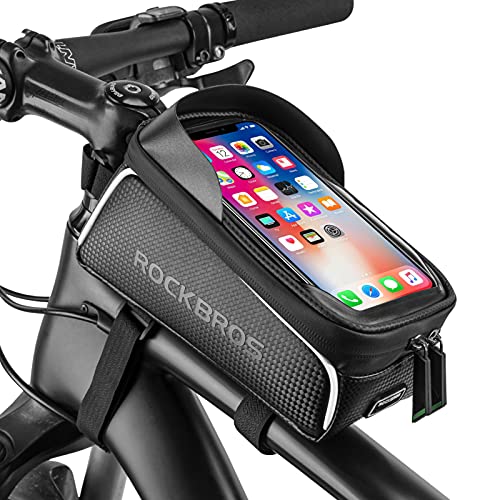
- Install bar mitts on exposed courses for maximal finger function. Pair with chemical warmers for events under 40°F.
- Fit wool socks at 2 pairs only if shoes allow toe wiggle. Prioritize blood flow over fabric thickness.
- Cover toes with 2 to 3 mm neoprene caps. Seal with 3 to 5 mm overshoes for rain and spray.
- Grease toes and heels with petroleum jelly for a water break layer. Tape hot spots for friction control before T1.
- Carry a light run shell for hail or sleet forecasts. Tie it around the waist for quick deploy on course.
Evidence notes
- Wind increases convective heat loss and thin windproof layers reduce chill at low cost to mass and drag (ACSM, https://www.acsm.org).
- Peripheral cooling impairs dexterity and grip so insulation that preserves finger mobility improves control and safety on technical courses (NIOSH, https://www.cdc.gov/niosh).
Fueling And Hydration In The Cold
I front load carbs and plan fluids because cold blunts thirst and raises energy use.
- Target 60 to 90 g carbohydrate per hour with mixed glucose fructose sources like gels chews and drink. Push 90 to 100 g only if gut trained.
- Mix sodium at 400 to 800 mg per hour from drink and capsules. Match higher sweat salt loss in heavy gear efforts.
- Drink 400 to 700 ml per hour across bike and run. Sip on a timer since thirst lags in cold.
- Store bottles in insulated sleeves and use wide mouth caps to prevent ice. Rotate a warm flask from T1 for the first hour.
- Pack gels in a soft flask to avoid frozen tear tabs. Tape a heat pack near the flask for sub 32°F starts.
- Eat on climbs and protected sections for better hand function. Avoid descents for wrappers and caps.
Evidence notes
- Cold exposure suppresses thirst by about 40 percent which reduces voluntary intake so timed drinking maintains balance (Kenefick et al 2004 MSSE, https://pubmed.ncbi.nlm.nih.gov/15064691).
- Carbohydrate oxidation supports thermogenesis during cold exercise and exogenous carbs sustain output and reduce fatigue risk (Castellani and Young 2016 Compr Physiol, https://pubmed.ncbi.nlm.nih.gov/26756639).
- Endurance guidelines support 0.6 to 1.0 g per min carbs and individualized sodium to match losses for events over 2 hours (ACSM position stand, https://www.acsm.org).
Cold fueling and hydration targets
| Segment | Duration | Carbs g per hour | Sodium mg per hour | Fluid ml per hour |
|---|---|---|---|---|
| Swim pre load | 10 to 15 min | 30 to 45 once pre start | 300 to 500 once pre start | 150 to 250 warm fluid once pre start |
| Bike | 1 to 6 h | 60 to 90 | 500 to 800 | 450 to 700 |
| Run | 0.8 to 4 h | 45 to 75 | 400 to 700 | 350 to 600 |
I adjust within ranges by body mass course intensity and gut training history first then by real time cues like hand function shivering and urine color.
Training And Acclimation Strategies
I anchor cold prep in controlled exposure and repeatable skills. I pair acclimation with bricks that sharpen breathing, pacing, and transitions.
Cold-Water Preparation And Brick Workouts
I stage cold-water work with short exposures, tight safety, and precise recovery. I train the exit and first 10 minutes on the bike as the core performance hinge.
- Start breath control with 4 by 60 seconds face immersions and box breathing 4 by 4 by 4 by 4 if anxiety rises first minute RNLI.
- Build immersion tolerance with 2 to 3 exposures per week at 50 to 59 F using 5 to 10 minutes total time then add 2 minutes per week if shiver stays light Tipton 2003, USAT.
- Wear thermal neoprene 3 to 5 mm suit, cap, gloves, socks for 50 to 59 F and add a 1 mm cap liner for sub 55 F swims NFHS.
- Prime heat with 8 minutes easy jog, 2 by 30 seconds strides, and 5 minutes arm swings before entry for faster rewarming after exit IOC.
- Practice cold exits with 3 rounds swim 6 minutes then T1 drill 90 seconds then bike start 10 minutes at zone 2 and target 85 to 95 rpm for dexterity return ACSM.
- Pack rewarm kits hot drink, dry towel, insulated cap, chemical warmers and drink 20 to 30 g carb for SNS support during afterdrop NHS.
Cold prep brick examples
- Run to swim brick
- Jog 10 minutes easy then put on suit then enter cold water
- Swim 8 to 12 minutes steady sight every 6 to 8 strokes then exit
- Bike 20 minutes at upper zone 2 with a windfront vest then 5 minutes single leg drills
- Swim to run brick
- Swim 10 minutes at RPE 6 then remove gloves then exit
- Run 15 minutes at RPE 5 then 6 by 30 seconds hill strides then 4 minutes easy
Acclimation progression
| Week | Water temp F | Immersion per session min | Pieces used |
|---|---|---|---|
| 1 | 60 to 62 | 6 to 8 | Wetsuit 3 mm, cap |
| 2 | 58 to 60 | 8 to 10 | Wetsuit 3 to 4 mm, cap, gloves |
| 3 | 55 to 58 | 10 to 12 | Wetsuit 4 to 5 mm, cap, gloves, socks |
| 4 | 52 to 55 | 12 to 15 | Wetsuit 5 mm, double cap, gloves, socks |
Indoor Alternatives And Strength Work
I use indoor sessions to harden pacing, thermoregulation, and mechanics when ice or lightning blocks open water and roads.
- Replace cold swims with tether sets 8 by 2 minutes RPE 6 with 30 seconds rest and 3 by 1 minute hypoxic 3 then 5 then 7 strokes per breath if dizziness appears stop immediately FINA.
- Simulate wind chill on the trainer with 2 fans 20 mph equivalent and ride 3 by 12 minutes sweet spot at 88 to 94 percent of FTP with 5 minutes easy between sets ACSM.
- Replicate cold run feel on the treadmill with 1 percent grade then 3 by 8 minutes at threshold minus 10 beats then 3 minutes easy USAT.
- Add strength twice weekly 2 to 3 sets of 6 to 10 reps for hinges deadlift, lunges, step downs, rows, carries to improve economy and heat production ACSM 2022.
- Train hands and feet with farmer carries 3 by 60 seconds, towel pull ups 3 by 5, calf raises 3 by 20 to aid shoe changes and downhill load ACSM.
- Include inspiratory muscle training 5 days per week 30 breaths at 50 to 60 percent MIP to reduce dyspnea in cold air Cochrane.
- Build transition fluency with a turbo to treadmill brick 3 rounds bike 8 minutes zone 3 then change gloves and jacket then run 6 minutes zone 2 then record time start to run each round.
| Session | Target | Frequency |
|---|---|---|
| Trainer sweet spot | 3 by 12 minutes at 88 to 94 percent FTP | 1 to 2 per week |
| Tether aerobic | 8 by 2 minutes RPE 6 | 1 to 2 per week |
| Strength main lifts | 2 to 3 sets of 6 to 10 reps | 2 per week |
| IMT | 30 breaths at 50 to 60 percent MIP | 5 days per week |
Who Should Choose Triathlon Events In Cold Climates
I match athletes to cold triathlon events when the demands align with their physiology, skills, and logistics
- Heat-sensitive racers: I see better outcomes in athletes who lose pace above 75°F, for example heavy sweaters and runners who fade late in hot races, because cold reduces thermal strain and preserves carbohydrate availability according to ACSM guidance
- Cold-acclimated swimmers: I favor athletes who tolerate 52–60°F water, for example open water swimmers and surf lifesavers, because repeated exposures blunt cold shock and improve breath control per NATA cold exposure guidance
- Technical cyclists: I back riders with stable handling on wet roads, crosswinds, and descents, for example gravel racers and time trialists, because cold magnifies risk through wind chill and reduced dexterity
- Even-paced runners: I rate athletes who hold cadence and form in layers, for example marathoners with economy in 35–50°F, because cold air sustains oxygen uptake and lowers cardiovascular drift per ACSM statements
- Data-driven planners: I prioritize athletes who track core signals and fueling, for example users of thermistors, glucose sensors, and power meters, because timely decisions limit afterdrop and preserve output in cold conditions referenced by ACSM and NATA
- Experienced crews: I recommend cold events to athletes with reliable support, for example a driver with dry gear, hot fluids, and spare gloves, because transitions and safety improve when external aid is precise
- Mountain locals: I select athletes living in windy and variable climates, for example Nordic, Scottish Highlands, and Alaska residents, because daily exposure accelerates habituation and gear fluency
I use quick checks to confirm fit
| Factor | Practical benchmark | Rationale | Source |
|---|---|---|---|
| Heat tolerance gap | 3–6 percent slower 10K pace at 77–82°F vs 50–55°F | Cold narrows heat strain performance gap | ACSM |
| Cold swim tolerance | 20–35 minutes steady in 54–57°F with full suit, cap, gloves, socks | Lower cold shock and better control | NATA, ILSF |
| Dexterity under load | 30 seconds glove change, 60 seconds shoe change after cold soak | Faster transitions limit exposure | NATA |
| Fueling reliability | 60–75 g carb per hour, 400–700 mg sodium per hour at 35–55°F | Cold masks thirst yet glycogen use stays high | ACSM |
| Handling skill | No braking drift on wet 6 percent descents in crosswinds 10–20 mph | Wind chill and traction shape safety | UCI coaching resources |
| Mindset consistency | RPE error ±1 vs power for 40 minutes in 40–50°F | Stable pacing beats surges in cold | ACSM |
I flag constraints that reduce suitability
- Unmanaged asthma: I steer reactive airways away from sub 40°F runs unless warmed and masked, because cold dry air increases bronchoconstriction risk per ATS guidance
- Severe Raynaud’s: I avoid cold swims and windy rides without medical control and heated gear, because digital blood flow drops and function declines
- Limited access: I hold back athletes without safe cold water venues, layered kit, and crew, because untested systems raise risk
- Injury return: I delay cold events during tendon rehab, because stiffness and slip risk rise on cold starts
- Targeted acclimation: I build 2–3 short cold-water entries per week, for example 5–12 minutes at 54–60°F, because repeated doses reduce shock and anxiety per NATA
- Gear rehearsals: I script full transitions on wet hands, for example wetsuit off, socks, gloves, zips, because muscle memory protects time and heat
- Course matching: I pair athlete strengths to profile, for example steady climbers to sheltered climbs and technical riders to rolling coastal wind, because context locks in performance and safety
Conclusion
Cold triathlon days can feel harsh yet they also feel honest. They strip away noise and show what is real. When I lean into that edge I find steadier focus and a cleaner sense of effort. If that calls to you then you are ready to meet the chill with intent.
Pick one race that excites you then set one clear goal for it. Build simple habits that you can repeat under stress. Test them in small bites on safe days. Log what works. Adjust what does not. Share your lessons with your crew and learn from theirs.
I will be out there too. Breathing easy. Trusting the work. Enjoying the cold as an ally.