Racing a triathlon in a new place thrills me. The course feels fresh the scenery boosts my mood and the challenge pushes me in the best way. Still a destination race adds layers that a hometown event never does.

I think beyond the swim bike run. I plan travel smart pack only what I need and learn the course and climate before I go. I test my gear I back up the essentials and I map out food sleep and transport so race day feels simple.
In this guide I share how I prep for a destination triathlon without stress. I keep the steps clear and doable so you can land confident and ready. Let’s make the journey part of the win.
How To Prepare For A Destination Triathlon
Prepare for a destination triathlon by locking your travel plan early and syncing training to the venue specifics.
- Plan travel logistics first: Book arrival 48 to 72 hours before the start for sea level races and 5 to 7 days for altitude races above 1,500 m if schedule permits (Source: CDC Altitude Illness).
- Train course demands next: Match terrain and climate using indoor heat sessions and hill repeats for hilly bike segments and crosswinds on open roads if safe (Source: ACSM).
- Pack mission critical gear always: Carry race kit and shoes and pedals and helmet and swim skin or wetsuit and GPS head unit and prescription lenses in your carry on for flight contingencies.
- Ship the bike wisely: Use a hardshell case with foam blocks and dropout protectors and remove rear derailleur and rotors for protection and airline compliance (Source: IATA Baggage Guidance).
- Adapt your body daily: Shift sleep and meal times toward destination time by 1 hour per day and front load carbs 36 hours out if GI tolerance stays steady (Source: AASM and ISSN).
- Preview the race venue onsite: Ride key descents and run final 3 km and swim point to point sight lines if conditions allow and safety access stays open.
- Acclimate to climate fast: Do 20 to 30 minute shakeout workouts in local heat or humidity to calibrate effort and hydration and pacing (Source: ACSM).
- Fuel with familiar products only: Pack gels and drink mixes and salt tabs that you tested across 3 long bricks and avoid new brands at the expo.
- Hydrate by measured sweat rate: Replace 70 to 90 percent of hourly sweat loss and add 300 to 600 mg sodium per hour in hot races if blood pressure stays normal (Source: ACSM 2016).
- Pace with objective cues: Use power on climbs and heart rate caps on the run and RPE for surf and swell on the swim when GPS drops.
- Protect your skin and eyes everywhere: Apply broad spectrum SPF 30 plus every 2 hours and wear UV400 lenses and lip balm with SPF 30 for coastal glare and windburn (Source: CDC Sun Safety).
- Comply with local rules fully: Check wetsuit and temperature cutoffs and drafting zones and litter penalties on the official athlete guide for event jurisdiction specifics.
Race day parameters and travel facts
| Topic | Key number | Context | Source |
|---|---|---|---|
| Time zone shift | 1 to 2 h per day | Adjust sleep and meals toward destination | American Academy of Sleep Medicine |
| Heat index caution | ≥90 F HI | Increase cooling and sodium and reduce pace | NOAA NWS |
| Hydration planning | 400 to 1,000 ml per h | Typical sweat rate range in endurance events | ACSM Position Stand 2016 |
| Sodium intake | 300 to 600 mg per h | Match higher rates in heavy sweaters for hot races | ACSM |
| Wetsuit legal temp | ≤78 F water | USAT age group wetsuit legal cutoff | USA Triathlon Competitive Rules |
| Wetsuit optional temp | 78.1 to 83.9 F | Allowed yet ineligible for awards and rankings | USA Triathlon |
| Bike baggage fee | 0 to 300 USD each way | Varies by carrier and route and status | IATA Baggage Guidance |
| Altitude arrival | 5 to 7 days | Target for races above 1,500 m elevation | CDC Altitude Illness |
Course and venue checks
- Verify swim safety: Confirm lifeguard coverage and start type and sight buoys and water quality report from the local authority 48 hours out (Source: local health department).
- Verify bike course: Load the GPX file and mark aid stations and no pass zones and technical descents and wind exposure sectors.
- Verify run course: Note shaded segments and camber changes and surface type like asphalt or cobbles and aid station spacing every 1 to 2 km.
Travel health and contingencies
- Carry medical essentials: Pack antihistamines and anti diarrheals and blister care and personal prescriptions with generic names for customs clarity (Source: CDC Travelers’ Health).
- Carry documents and backups: Save digital copies of passport and race license and insurance and bike serial number on your phone and cloud.
- Carry power and data: Bring a universal adapter and a 20,000 mAh power bank and offline maps and course files on two devices.
Training tune up in the final 14 days
- Reduce volume by 30 to 50 percent across the last 7 to 10 days and keep intensity touches at race pace in short reps like 3 by 3 minutes bike and 3 by 2 minutes run.
- Rehearse transitions with full kit in 2 sessions and practice mount line and dismount line and bag flow for venue rules.
- Simulate breakfast timing and caffeine dose and gel timing at T minus 2 hours and T minus 10 minutes and T plus 20 minutes to confirm GI comfort.
Packing checklist by discipline



- Swim: Wetsuit or swim skin and clear or tinted goggles and anti chafe and spare goggles.
- Bike: Helmet and bike shoes and pedals and torque wrench and CO2 and mini pump and spare tubes and plugs and chain quick link.
- Run: Race shoes and socks and visor and race belt and sunscreen and anti chafe.
- Tech: Head units and watches and chargers and heart rate straps and power meter batteries.
- Docs: ID and race license and insurance and hotel and transit tickets and emergency contacts.
Race week nutrition anchors
- Eat balanced plates with 6 to 8 g per kg carbs for long course in the final 36 hours if GI history allows and 1.2 to 1.6 g per kg protein across the day for recovery (Source: ISSN).
- Drink electrolytes at 500 to 700 ml with dinner and breakfast for hot venues if blood pressure and renal status remain normal.
- Avoid novel high fiber dishes and raw street foods in the 48 hours before the race for GI risk control in travel settings (Source: CDC Food Safety).
- Inspect drivetrain wear and brake pads and tire tread and torque key points at stem and bars and seatpost at 4 to 6 Nm before packing.
- Calibrate power meters and zero offset on site and re pair sensors and set local time zone.
- Set tire pressure by surface at 70 to 90 psi for 25 mm on smooth asphalt and 60 to 80 psi for rough chipseal for a 70 kg rider and adjust by ±10 psi per 10 kg delta (Source: Silca pressure guidance).
Selecting The Right Race And Location
I match the destination triathlon to my strengths and my calendar. I lock choices that fit my fitness, my travel window, and my budget.
Course, Climate, And Timing
I start with the course profile and the race rules. I confirm distance accuracy, elevation gain, surface type, and cutoff times in the official athlete guide, then I map training to those demands. I study climate normals for race week using 10 to 30 year data, then I plan gear and hydration to fit the expected temperature and humidity.
- Compare course specifics, elevation gain, surface type, cutoff times, then align training blocks to the demands.
- Check climate normals, sea temperature, wind patterns, then choose wetsuit or swimskin based on organizer rules.
- Verify water quality reports, currents, and contingency plans, then confirm safety measures with the race director.
- Plan race date relative to your macrocycle, then place tune‑up events 4 to 6 weeks before the destination triathlon.
Key data points
| Factor | Threshold or Range | Why it matters | Source |
|---|---|---|---|
| Time zones crossed | ≥3 zones | Higher jet lag risk | CDC Yellow Book, Jet Lag chapter |
| Altitude | ≥1,500 m | Reduced aerobic capacity | CDC Yellow Book, High Altitude chapter |
| Sea temperature | <18°C cold, 18–24°C temperate, >24°C warm | Gear and pacing choices | NOAA Climate Normals |
| Wetsuit guidance | USAT awards eligible ≤78°F, World Triathlon thresholds vary by category | Rule compliance | USA Triathlon rules, World Triathlon rules |
Sources
- CDC Yellow Book, Travel Health, Jet Lag and High Altitude
- NOAA Climate Normals
- USA Triathlon Competitive Rules, World Triathlon Competition Rules
Travel Distance And Logistics
I match travel complexity to my experience level and my support network. I keep logistics simple for a first destination triathlon, then I expand radius once I have a repeatable system.
- Pick routes with nonstop flights, morning arrivals, bike‑friendly airlines, then reduce missed connections and delays.
- Book lodging near transition, near grocery options, near safe shakeout routes, then cut transfer time and stress.
- Confirm bike transport, case dimensions, and fees with the airline, then avoid check‑in surprises.
- Carry critical gear in hand luggage, bike computer, pedals, race kit, prescription meds, then secure race readiness if bags misroute.
- Schedule arrival 48 to 72 hours before the race for ≤3 time zones, 72 to 96 hours for ≥4 time zones, then allow acclimation.
- Verify local medical access, pharmacies, and emergency numbers, then backstop race safety.
- Check visa requirements, vaccination guidance, and customs for food and nutrition products, then prevent entry issues.
- TSA, Batteries and sporting equipment
- Airline sports equipment policies, carrier pages
- U.S. Department of State, Country Information pages
- CDC Travelers’ Health, Destination pages
Training Adjustments For Local Conditions
I tailor my training to the race environment first, logistics second. I anchor every week to local climate, elevation, and course profiles from the athlete guide.
Heat, Altitude, And Terrain
Heat, altitude, and terrain drive specific training changes for a destination triathlon. I stack heat sessions, altitude strategies, and surface prep to match the venue.
- Heat acclimation, sauna finishing, ice management
- Start 7 to 14 days of heat exposure with 5 to 7 sessions, examples include 45 to 75 minutes easy runs or rides in 86 to 95°F with elevated layers, then add 2 to 3 intensity sets late in the block (source: American College of Sports Medicine)
- Add post workout sauna for 15 to 30 minutes to boost plasma volume if facilities allow, stop 48 hours before travel to freshen legs (source: ACSM)
- Practice pre cooling with slushies and ice towels, test sodium at 500 to 1,000 mg per hour across 2 hot long workouts, adjust by sweat test data if available (source: ACSM)
- Altitude pacing, iron intake, sleep protection
- Cut high intensity by 10 to 20% at 1,500 to 2,500 m, examples include VO2 sets at lower watts or slower paces, keep volume steady, extend recoveries by 30 to 60 seconds (source: US Army Research Institute of Environmental Medicine)
- Schedule partial acclimatization for 5 to 7 days on site when racing above 1,500 m, extend to 10 to 14 days if racing above 2,400 m, use low altitude arrival only when work or cost blocks early travel (source: CDC)
- Emphasize iron rich foods and ferritin checks 6 to 8 weeks out, add vitamin C with meals for absorption if labs sit low normal (source: CDC)
- Terrain specificity, eccentric load, gearing plans
- Rehearse climbs at race grade, examples include 3 to 6 repeats of 6 to 12 minutes at 4 to 8% on the bike at sweet spot, add standing surges for 20 to 40 seconds over crests
- Build downhill run tolerance with 4 to 8% declines for 10 to 20 minutes total per week, cap early descent work at easy pace to manage muscle damage, progress by 10% weekly if soreness stays mild (source: Sports Medicine)
- Set cassette range and tire choice off course notes, examples include 11 to 34T for steep 12% ramps, 28 to 30 mm tubeless for chip seal or light gravel
| Metric | Target or Effect | Context | Source |
|---|---|---|---|
| Heat acclimation days | 7 to 14 | 5 to 7 exposures minimum | ACSM |
| Hydration rate | 0.4 to 0.8 L per hour | Adjust by body mass change | ACSM |
| Sodium intake | 500 to 1,000 mg per hour | Heavy sweaters near 1,000 mg | ACSM |
| VO2max change | ~7 to 9% drop per 1,000 m | Unacclimatized athletes | USARIEM |
| Partial altitude acclimation | 5 to 7 days | 1,500 to 2,500 m racing | CDC |
| Downhill grade for conditioning | 4 to 8% | 10 to 20 minutes weekly | Sports Medicine |
Course-Specific Simulations
Course-specific simulations convert course intel into targeted sessions. I use maps, wind roses, and elevation charts to script exact workouts.
- Swim scenarios, sighting cues, start dynamics
- Mimic chop with banded pull sets and paddles, add 30 to 60 second hard efforts every 3 to 4 minutes to simulate packs and buoys
- Practice straight line sighting every 6 to 10 strokes, use two fixed landmarks per turn, add beach starts or deep water starts for 4 to 6 reps of 20 to 40 seconds
- Train currents with pool cords or river swims, hold effort by RPE not pace when GPS drifts in open water, include 2 long continuous swims of 1.5 to 3.0 km in the final 3 weeks when safe
- Bike wind, climbs, surfaces
- Script crosswind blocks with steady Z3 into a fan, switch to tailwind overgeared work for 3 to 5 minutes at 60 to 70 rpm to build torque
- Recreate feature climbs, examples include one sustained 20 to 30 minute climb at race power, then 4 to 6 technical descents with focus on braking points and corner exits
- Test surfaces on 28 to 30 mm tires at 65 to 80 psi for rough roads, practice bottle grabs and gel opening at speed on safe closed sections
- Run pacing, heat load, footing
- Set negative split bricks with the first 5 km at IM or 70.3 target pace plus 10 to 15 seconds per km, then second 5 km at target pace, add ice practice every aid simulation
- Drill sand or boardwalk footing for coastal races with 6 to 10 x 2 minutes on surface, keep cadence high, focus on posture
- Stack late run hills with 6 to 10% grades for 30 to 60 seconds after 40 to 60 minutes of steady running to match fatigue
- Indoor alternatives, travel constraints, safety first
- Load GPX into a smart trainer, ride 60 to 120 minutes on course mode once per week, cap extra climbing load when taper starts
- Use treadmill grades to mirror profiles, examples include 3 x 10 minutes at +4% then 3 x 5 minutes at −3% for downhill conditioning if local descents are scarce
- Replace open water with sighting sets in the pool, examples include 20 x 100 yards with 2 to 3 sight ups each 25, include buoy turn drills with two strokes hard out of each turn
Travel And Accommodation Planning
Travel and accommodation planning sets the tone for a smooth destination triathlon. I lock key logistics early, then adjust details as race week approaches.
Flights, Lodging, And Bike Transport
« Best Charity Triathlon Events: Top Picks, Training Tips, and Fundraising Guide
Triathlon Events in Cold Climates: Data-Driven Rankings, Gear, and Training Tips »
Book flights early for fewer connections in a destination triathlon itinerary. Pick a nonstop route, if a direct option exists. Select arrival 2 to 4 days pre‑race, if crossing 3 to 6 time zones. Add 1 extra day, if altitude exceeds 5,000 ft and acclimation matters.
Choose lodging within 0.5 to 1.0 miles of check‑in or the start line. Prioritize a kitchen or kitchenette, if I plan pre‑race meals. Confirm late checkout on race day, if the finish timing overlaps noon. Request ground‑floor or elevator access, if I bring a bike case.
Protect the bike with a hard case or pro pack service. Compare airline sports equipment policies on weight 23 to 32 kg and dimensions up to 158 to 320 cm linear, if I plan to check a bike box. Reserve a bike mechanic slot 24 to 48 hours pre‑race, if I ship the bike or use a rental. Pre‑book an SUV or wagon, if the case length exceeds 120 cm. Verify CO2 and lithium battery rules with the airline and TSA Pack Safe, if I fly with tools and electronics (TSA).
Optimize transfers between airport, lodging, and packet pickup. Arrange a shuttle or rideshare with bike capacity, if local taxis lack racks. Save offline maps and venue pins, if mobile data proves spotty.
Timeline targets
| Timeline | Action | Target |
|---|---|---|
| T‑6 to T‑4 months | Book flights and lodging | Nonstop flight, walkable start area |
| T‑3 months | Reserve bike case or shipping | Case confirmed, pickup scheduled |
| T‑14 days | Re‑check airline policy and bag weights | Bike box ≤ 23 to 32 kg, no oversize fees |
| T‑7 days | Confirm airport transfers and late checkout | Car with bike space, checkout 1 pm+ |
| T‑2 days | Build bike and test ride | Brakes indexed, torque verified |
Sources: TSA Pack Safe
Visas, Insurance, And Documents
Check entry rules through the IATA Travel Centre and your government travel site. Apply for an e‑visa 30 to 60 days out, if required for your passport country. Confirm passport validity with 6 months remaining and 1 to 2 blank pages, if the destination enforces standard entry norms (IATA, U.S. Department of State).
Buy travel medical insurance that covers amateur triathlon racing. Verify emergency care, evacuation up to $100,000+, and race cancellation coverage, if the event sits in a remote location. Add primary bike coverage for transit and race day, if the frame value exceeds $3,000. Confirm liability terms for training rides on open roads, if I plan course recons.
Prepare race documents and digital backups. Download the athlete guide and course maps, if the organizer posts updates in race week. Carry federation proof or buy a one‑day license, if the event requires national governing body membership, for example USA Triathlon or World Triathlon sanctioned races (USA Triathlon, World Triathlon). Pack prescriptions in original containers, if carrying more than a 30‑day supply. Print confirmations for lodging, bike shipping, and shuttles, if the venue has limited connectivity.
Packing And Gear Checklist
I pack for a destination triathlon by separating race-critical items from replaceable items. I keep race-day gear in my carry-on to protect the race plan.
Bike, Tools, And Spares
Bike, tools, and spares travel best when organized by function. I protect shifting and braking first, comfort second, speed third.
- Pack drivetrain protection first for the bike case, then cushion the frame with foam and pipe insulation
- Remove rear derailleur and hanger, then zip-tie to the chainstay with padding
- Mark saddle height and cockpit reach with tape, then note values in my phone
- Carry pedals in the carry-on if packing the bike
- Bag small parts in clear pouches, then label torque values in Nm
- Add a spare derailleur hanger, then include quick links sized to the chain
- Wrap race wheels in padded sleeves, then deflate to 20–30 psi for travel
- Insert rotors in cardboard sleeves, then place between clothing layers
- Load a torque wrench, then match bits to all bike bolts
- Stash a mini-pump and 2 CO2 cartridges, then place cartridges in checked baggage per airline rules
- Include 2 tubes, 2 tire levers, and a patch kit, then add tubeless plugs if running sealant
- Pack brake pads for rim or disc type, then add a spare cleat set with bolts
- Bring a spare valve core and extender, then carry a valve tool on the key ring
- Add a chain lube and rag, then choose dry or wet based on race climate
- Carry batteries for power meter and shifters in the carry-on if they are lithium cells per TSA and IATA guidance
Key travel notes
- Follow TSA and IATA rules for lithium batteries and CO2, source: TSA, IATA
- Use a hard-shell case for international flights if possible, source: World Triathlon travel guidance
- Photograph bike setup before disassembly for faster reassembly on site
Race Kit, Nutrition, And Carry-On
Race kit, nutrition, and carry-on items stay with me from home to the start line. I keep a complete race in one backpack.
- Pack a full race kit, then add a backup kit for weather changes
- Include a wetsuit or swimskin, then choose thickness by sea temperature and race rules
- Add goggles with 1 clear and 1 tinted pair, then include anti-fog drops
- Stash chip strap, race belt, and safety pins, then add body glide
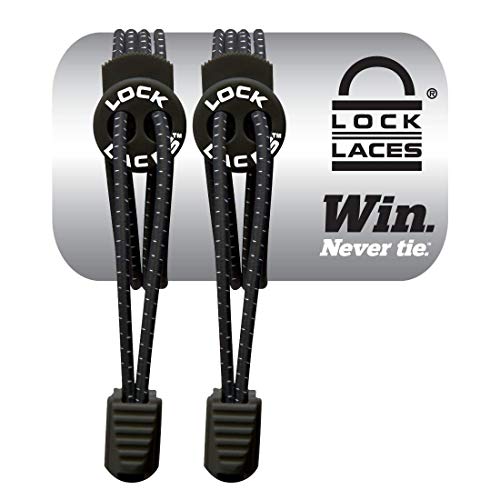
- Carry cycling shoes and run shoes, then add socks and elastic laces
- Insert visor or cap and lightweight shell, then match layers to forecast
- Bring sunglasses with 2 lenses, then pick low light and bright sun tints
- Carry power meter head unit and watch, then pack charge cables and adapters
- Store passport, race confirmation, and insurance, then keep digital copies offline
- Load personal meds, then add a compact first aid kit with blister care
- Pack 1 collapsible bottle, then fill after security for the flight
Fuel plan basics
- Target 60–90 g carb per hour on the bike and 30–60 g per hour on the run for events over 2 h, source: ACSM, IOC
- Use 400–800 mg sodium per hour in heat, then adjust to sweat rate testing, source: ACSM
- Carry race-trusted products, then buy water locally to save weight
Core quantities and placement
| Item | Qty | Placement |
|---|---|---|
| Tubes | 2 | Checked |
| CO2 cartridges | 2 | Checked |
| Tire levers | 2 | Checked |
| Tubeless plugs | 1 | Checked |
| Quick links | 2 | Carry-on |
| Derailleur hanger | 1 | Carry-on |
| Torque wrench + bits | 1 | Checked |
| Chain lube mini | 1 | Checked |
| Cleat set | 1 | Carry-on |
| Goggles | 2 | Carry-on |
| Wetsuit or swimskin | 1 | Carry-on |
| Cycling shoes | 1 | Carry-on |
| Running shoes | 1 | Carry-on |
| Race kit | 2 | Carry-on |
| Gels or chews | 8–16 | Carry-on |
| Electrolyte tabs | 1 | Carry-on |
| GPS watch + head unit | 1+1 | Carry-on |
| Battery cells spare | 2–4 | Carry-on |
| First aid mini | 1 | Carry-on |
- Add long-sleeve UV top and high-sodium tabs for hot desert races
- Add compact rain shell and latex gloves for cold mountain descents
- Add anti-chafe cream and extra anti-fog for salty ocean swims
Nutrition, Hydration, And Health On The Road
Destination triathlon travel changes how I fuel, drink, and protect my health. I lock in simple, packable systems that hold up on flights and in new climates.
Pre-Travel And Race Week Fueling
I anchor race week with steady carbs, fluids, and sodium to keep glycogen up, gut calm, and sweat losses covered.
- Pack carry-on fuel, then replace locally only if the same brand exists, like Maurten 160, Skratch Sport Hydration.
- Carry bite-size carbs for delays, like bananas, rice cakes, oat bars.
- Aim for 5 to 7 g/kg carbs on travel days if training stays light, per ACSM (ACSM 2016).
- Target 6 to 8 g/kg carbs 48 to 24 hours pre race for glycogen top-off, per ACSM (ACSM 2016).
- Drink 0.4 to 0.6 L per hour on flights, then add 500 to 1,000 mg sodium per liter, per ACSM (ACSM 2007).
- Use low fiber meals 24 hours pre race, like white rice, sourdough, eggs.
- Practice the race-day gut in training, then match race week intakes, per ISSN (ISSN 2018).
- Select sealed foods in transit, like UHT milk, foil tuna, plain yogurt.
- Limit alcohol to 0 drinks 48 hours pre race to protect sleep and HRV.
- Sanitize hands before eating, then wipe tray tables and seat belts, per CDC (CDC 2024).
Race week intake targets
| Phase | Carbs g/kg | Fluid L/h | Sodium mg/L | Caffeine mg | Timing |
|---|---|---|---|---|---|
| Flight day | 5–7 | 0.4–0.6 | 500–1,000 | 0 | — |
| 72–24 h pre race | 6–8 | ad lib | 500–700 | 0 | — |
| Race morning | 1–2 | 0.2–0.4 | 500–700 | 1–3 mg/kg | 60–30 min pre |
| Bike leg | 60–90 g/h | 0.5–0.8 | 600–1,000 | optional 25–50 | split doses |
| Run leg | 40–70 g/h | 0.3–0.6 | 600–1,000 | optional 25–50 | late race |
Sources: ACSM 2007 hydration, ACSM 2016 nutrition, ISSN 2018 position stand.
Jet Lag, Sleep, And Immunity
I treat time zones like a training variable, then shift my clock, light, and meals to race local.
- Shift sleep by 1 h per day toward race time for 3 to 5 days, per AASM (AASM 2021).
- Expose eyes to bright light after local wake for east travel, then avoid bright light late, per AASM (AASM 2021).
- Expose eyes to late afternoon light for west travel, then dim mornings for 1 to 2 days, per AASM (AASM 2021).
- Take melatonin 0.5 to 3 mg near target bedtime if sleep onset drifts, per Cochrane review (Cochrane 2009).
- Anchor circadian cues with meal timing, like breakfast at local 07:00, lunch at 12:00, dinner at 18:00.
- Protect sleep with a cool dark room, like 17–19°C, blackout curtains, white noise.
- Nap 20 to 30 min before 15:00 if sleep debt accrues, then keep caffeine after naps only.
- Guard immunity with frequent handwashing and pre-race contact minimization, per CDC (CDC 2024).
- Choose safe foods and water, like sealed bottles, cooked vegetables, pasteurized dairy, per CDC (CDC 2024).
- Pack a health kit, like saline spray, zinc acetate lozenges 75 mg per day for 3 days at symptom onset, acetaminophen.
Jet lag and sleep quick plan
| Factor | Eastbound 3–6 TZ | Westbound 3–6 TZ | Evidence |
|---|---|---|---|
| Sleep shift | advance 0.5–1 h/day | delay 0.5–1 h/day | AASM 2021 |
| Light | early bright, late dim | late bright, early dim | AASM 2021 |
| Melatonin | 0.5–3 mg 2 h pre bed | 0.5–3 mg at local bed | Cochrane 2009 |
| Sleep target | 7.5–9.0 h nightly | 7.5–9.0 h nightly | AASM 2021 |
TZ equals time zones.
Course Recon And Race Strategy
I lock race strategy to the course, climate, and logistics of the destination triathlon. I build pace and execution from verified data first, then from on‑site recon.
Scouting And Pacing Plans
I confirm official maps, segment distances, and elevation from the race guide and GPX files first, then from on‑site checks. I scan wind patterns and sea state from local sources like NOAA and port authorities, then I set swim lines and bike gearing. I review rules and drafting zones from World Triathlon or Ironman race briefs, then I match tactics to enforcement.
- Download, verify, annotate GPX files for swim bike run
- Walk, ride, swim key segments like sighting buoys apex turns technical descents aid zones
- Note, capture, tag hazards like potholes speed bumps crosswinds camber
- Time, test, record environmental cues like tide times wind shifts sunrise angle shade
- Check, confirm, align rules like start format wetsuit cutoffs drafting distances blocking
- Measure, calibrate, set devices like power meters footpods GPS auto lap
I anchor pacing to measurable anchors first, then I use RPE as backup. TrainingPeaks and World Triathlon coaching resources support threshold based targets for non drafting events. ACSM reports that heat stress raises heart rate and reduces sustainable power output. USOPC guidance notes reduced aerobic capacity at altitude.
Pacing anchors for standard formats
| Leg | Metric | Sprint | Olympic | 70.3 | Full |
|---|---|---|---|---|---|
| Swim | RPE scale 1–10 | 7 | 7 | 6–7 | 6 |
| Bike | %FTP non drafting | 90–95% | 80–85% | 75–80% | 68–72% |
| Run | % of open pace | 97–100% 5k | 95–98% 10k | 92–95% Half | 88–92% Marathon |
- Adjust, cap, monitor bike power by heart rate in heat or altitude
- Pace, split, refine by terrain not average speed on hilly or windy courses
- Fuel, drink, salt to plan that matches aid station spacing and personal carry
- Preview, practice, lock lines through technical corners to keep normalized power stable
- Set, use, trust alerts for power heart rate and cadence to prevent surges
Sources
- World Triathlon Competition Rules and Coaching Resources
- TrainingPeaks Coaching Blog on race intensity targets
- American College of Sports Medicine position stands on heat and hydration
- United States Olympic & Paralympic Committee altitude training guidance
- NOAA local marine forecasts and wind data
Transition Logistics And Contingencies
I treat transitions as part of the course recon, not an afterthought. I plan flow, labels, and backups for split transitions and bag systems common in destination triathlons.
- Map, sketch, memorize entry and exit paths for T1 and T2 from racking to mount and dismount lines
- Mark, flag, distinguish rack location with bright tape and mental landmarks like row numbers tree lines banners
- Stage, bundle, stack gear in use order like helmet glasses number belt shoes to cut decisions
- Practice, rehearse, time the full sequence in race shoes and wetsuit to confirm fit and order
- Prep, pack, label colored bags for systems like Ironman blue bike red run and special needs
- Confirm, align, sync shuttle times and bag drop deadlines with the athlete guide and on site staff
- Set, place, test mount line gear like rubber banded shoes for non stop exits if rules allow
- Plan, list, carry contingencies like spare visor spare elastic laces mini sunscreen bodyglide towel
- Assign, script, brief support roles like bag handoff spectator meet points and post finish pickup
- Back up, cache, stage spares at T1 T2 and special needs like tubes CO2 multi tool socks salt tabs
Contingency playbook
- Wet start, switch, load anti fog extra cap and longer sighting intervals
- Cold morning, add, pack thermal cap glove liners and extra body heat packet
- Hot run, grab, stash extra sodium ice sleeves and cooling sponge at exit
- Rainy bike, mount, use clear lenses latex gloves and lower tire pressure within safe range
- Mechanical, stop, fix with CO2 tube tire lever chain link and mini tool staged on the bike
- Lost bag, pivot, borrow from expo mechanics or club mates and re mark the flow before check in
I keep transitions quiet and repeatable first, then I add speed when the flow feels automatic.
Budgeting And Practical Tips
Cost map for a destination triathlon
I budget by category to keep the destination triathlon plan clear.
| Category | Typical range USD | Notes |
|---|---|---|
| Flights, domestic | 300–600 | Based on average itinerary fares, source, Bureau of Transportation Statistics 2024 |
| Flights, international | 800–1,500 | Varies by season and stopovers |
| Bike transport, airline | 0–300 each way | Fee depends on carrier policy, source, airline posted sports equipment rules |
| Bike case, rental | 50–120 per trip | Hard case protects frames and wheels |
| Lodging, per night | 120–250 | Rates spike near venues, source, STR market data 2024 |
| Rental car, per day | 40–90 | Add 10–20 for bike rack daily |
| Food, per day | 40–80 | Mix groceries and restaurants |
| Race entry | 150–900 | Sprint to full distance ranges, source, IRONMAN and World Triathlon listings |
| Travel insurance | 40–120 | Add medical, trip interruption coverage |
| Miscellaneous | 50–150 | SIM card, laundry, tips |
Budget anchors and controls
- Set line items by phase, booking, training, race week, race day, return.
- Track deposits in a shared sheet, flights, lodging, entry, transfers.
- Compare transport options for the bike, airline, ship, local rental.
- Book refundable rates first, if dates might change.
- Select lodging inside 1–2 miles of transitions, if course maps confirm.
- Pack race‑critical gear in carry‑on bags, if connections add risk.
- Reserve a compact car plus a hitch rack, if the bike case exceeds trunk size.
- Stack loyalty points on one program, flights, hotels, car rentals.
- Add a 10–15 percent buffer, if exchange rates swing.
Money‑smart travel logistics
- Fly nonstop when possible, bikes face less handling.
- Pick midweek travel dates, fares drop on Tuesdays and Wednesdays per BTS booking data.
- Share rentals with teammates, SUVs split fees and racks.
- Choose aparthotels with kitchens, breakfasts and dinners cut costs.
- Shop groceries on day 1, carbs, fruit, yogurt, fluids, sodium sources.
- Confirm resort fees and parking in quotes, totals change at check‑in.
- Verify bike fees before purchase, phone agents confirm case dimensions and weight.
Bike transport choices
- Assess airline carriage, direct check‑in reduces transfers.
- Price ground shipping, BikeFlights and UPS quote by size and distance.
- Rent a high‑end bike locally, geometry and fit must match your coordinates.
- Carry a mini tool kit in carry‑on, pedals, multi‑tool, torque key, derailleur hanger, cleat bolts.
- Photograph the bike before packing, claims go faster with proof.
Entry fees and protections
- Read race refund and deferral policies, IRONMAN and Challenge post clear windows.
- Add travel insurance with race entry coverage, benefits list event fees and medical evacuation, source, Squaremouth and InsureMyTrip product summaries.
- Store confirmations offline, PDFs sit in the phone files app.
On‑site spending controls
- Eat main meals from groceries, oats, rice, eggs, lean protein, bananas.
- Refill bottles at the venue, filter bottles cut plastic buys.
- Use public transit or shuttle, host cities post race‑week routes.
- Do shakeout sessions near lodging, taxis drop from the plan.
- Buy nutrition in bulk early, gels and drink mix sell out near expos.
Currency and payments
- Enable a card with no foreign transaction fees, banks list rates in app.
- Carry 100–200 in local currency, small shops and markets prefer cash.
- Download offline maps, data costs fall with fewer roaming calls.
Time vs money tradeoffs
- Arrive 48–72 hours pre‑start for domestic trips, arrive 5–7 days for 6–12 time zones, source, American Academy of Sleep Medicine jet lag guidance.
- Book an extra night after the race, late checkout support recovery and gear drying.
- Pay for venue‑adjacent lodging, morning logistics stay simple on race day.
Practical micro‑tips from pro travel
- Label gear inside and outside, name, phone, email, race number.
- Create two kits, race bag and backup bag with basics, suit, goggles, pedals, shoes, helmet, tracker.
- Photograph documents, passport, visa, insurance, race QR, bike serial.
- Mark your transition bin with high‑contrast tape, fast visual ID beats searching.
- Carry a compact power strip, phone, watch, Di2, lights, chargers plug in together.
Quick sources I trust for price signals
- Flights, Bureau of Transportation Statistics quarterly fares.
- Hotels, STR market trend reports.
- Race fees, IRONMAN, World Triathlon, and organizer pages.
- Insurance, Squaremouth and InsureMyTrip comparators.
- Airline bike policies, carrier sports equipment pages.
Conclusion
A destination triathlon blends sport and adventure. I choose simplicity focus and curiosity. I keep my plan clear and flexible. I respect the place and its people. I chase calm more than hype.
On race week I protect sleep and attitude. I control the controllable and let the rest flow. I trust the work I did at home. I show up early breathe smile and race the day that shows up. Then I celebrate the story I just wrote and carry it to the next start line.