I love the energy at a triathlon. Volunteering puts me at the heart of the action and helps athletes chase big goals. If you want to give back and soak in race day magic this guide will show you how to get started.
I will share what jobs fit your skills how to sign up and what to bring. I will also cover simple tips for staying safe and cheerful when the pace gets wild. You will leave ready to show up early cheer loud and make the day run smooth.
Whether you are new to races or a seasoned fan you can make a real impact. Let’s dive in and turn your time into a great day for every athlete.
Choosing The Right Event
Event fit drives a great volunteer day. I match my time, travel, and goals with the race scale.
Local Versus Major Races
Local triathlon races create direct community impact. I see athletes, coaches, and clubs from the host city. Major triathlon races create large scale operations. I see complex logistics, international fields, and broadcast crews.
- Access, local parking, short shifts, nearby venues
- Capacity, large crews, defined roles, rigid check in
- Coaching, youth clinics, club tents, course familiarity
- Exposure, elite fields, pro zones, media areas
I anchor choices in scale and service. I pick local events for flexibility, if my week stays packed. I pick majors for specialization, if I want a high intensity crew role.
| Event type | Typical athletes | Typical volunteers | Lead time to recruit | Example organizer | Source |
|---|---|---|---|---|---|
| Local sprint or Olympic | 300–1,000 | 80–250 | 4–10 weeks | USA Triathlon sanctioned clubs | USA Triathlon annual reports |
| Regional 70.3 | 1,500–3,000 | 800–1,500 | 2–6 months | IRONMAN 70.3 | IRONMAN operations briefs |
| Full distance IRONMAN | 1,800–2,500 | 2,000–4,000 | 3–9 months | IRONMAN | IRONMAN volunteer guide |
| World Triathlon elite | 60–120 | 300–600 | 2–4 months | World Triathlon | World Triathlon event manuals |
Timing And Registration Windows
Timing drives availability for volunteer roles. I lock dates early, then I target roles that match my skills.
- Windows, local sprints, 30–60 days, rolling rosters
- Windows, regionals, 60–120 days, staged waves
- Windows, majors, 90–270 days, phased blocks
- Platforms, VolunteerLocal, RunSignup, direct portals
- Roles, course marshal, transition, swim safety, finish line
I confirm the open date, if the organizer uses a phased release. I move fast on swim and bike course roles, if I want on course action.
| Race tier | First call opens | Peak fill period | Common cutoffs | Notes | Source |
|---|---|---|---|---|---|
| Local | 6–10 weeks out | 3–5 weeks out | 3–7 days out | Email lists and club channels drive signups | USA Triathlon club toolkits |
| 70.3 | 3–6 months out | 6–10 weeks out | 7–14 days out | Key roles lock earlier than expo shifts | IRONMAN volunteer pages |
| IRONMAN | 4–9 months out | 8–12 weeks out | 14–21 days out | Swim, bike, and transition fill first | IRONMAN volunteer guide |
| World Triathlon | 2–4 months out | 4–8 weeks out | 7–14 days out | Accreditation windows control access | World Triathlon LOC manuals |
I match my training schedule with the race calendar. I stack a local sprint before my peak week, if I want low stress hours. I anchor a major IRONMAN on a recovery weekend, if I want longer shifts and pro field access.




Roles And Responsibilities
I match volunteers to triathlon race tasks that keep athletes moving and safe. I set clear expectations so you feel confident on race day.
| Role | Typical shift length hours | Typical headcount per 500 athletes |
|---|---|---|
| Registration and packet pickup | 3–5 | 10–16 |
| Transition and course marshaling | 4–6 | 20–30 |
| Aid stations and hydration | 3–5 | 24–36 |
| Finish line and post-race support | 3–5 | 12–18 |
Sources: USA Triathlon Volunteer Resources, IRONMAN Volunteer Program, World Triathlon Event Operations Guide
Registration And Packet Pickup
I move athletes through check-in fast, then I protect data and gear. I confirm identity, USAT license, and waivers before handing over race items, if a rule applies to the event. I brief late arrivals on course updates and time cuts, if the race director issued changes.
- Verify identities, like photo IDs and USAT cards
- Assign bibs, like 1234 and 5678, and apply wristbands
- Distribute packets, like swim caps and timing chips and safety pins
- Track add-ons, like relay changes and category switches
- Answer FAQs, like cutoff times and bag drops and start waves
I follow sanctioning rules for packet control, athlete ID, and chip matching to protect timing accuracy and insurance compliance [USA Triathlon, World Triathlon].
Transition And Course Marshaling
I guard the transition area and the course flow to prevent penalties and crashes. I check bike racks and mount lines for congestion and hazards, if athlete density spikes.
- Control access, like body-marked athletes and staff and media
- Monitor mount lines, like no riding in transition and clear dismount zones
- Direct traffic, like bike out and run out and spectator crossings
- Flag hazards, like wet mats and loose bottles and potholes
- Log incidents, like drafting calls and littering and outside assistance
I relay infractions to officials with bib numbers and locations to support fair racing under published rules [USA Triathlon Competitive Rules, World Triathlon Rules].
Aid Stations And Hydration
I keep athletes fueled and hydrated with consistent handoffs and clear calls. I stage supplies by sequence and distance, if the course includes multiple loops.
- Prep tables, like water and electrolyte drink and gels
- Call offers, like water left and sports drink right and gels center
- Execute handoffs, like pinch cup tops and present at elbow height
- Manage waste, like designate drop zones and rake debris fast
- Report issues, like low ice and empty coolers and spills
I follow organizer guidance on product placement, allergy notes, and disposal to maintain athlete safety and course cleanliness [IRONMAN Athlete Guide, USA Triathlon Race Director Resources].
Finish Line And Post-Race Support
I protect the finish chute and the recovery zone to support athlete safety. I guide athletes to timing chip removal and medical triage, if distress signs appear.
- Maintain chute flow, like stop sprints past mats and clear photo zones
- Remove chips, like ankle straps and relay batons and backup tags
- Distribute recovery, like fluids and bananas and salty snacks
- Monitor heat stress, like dizziness and confusion and cramps
- Manage gear return, like lost and found and special needs and awards
I coordinate with medical and timing teams for DNF logging, time disputes, and medal protocols to secure accurate results and athlete care [World Triathlon Medical Guidelines, IRONMAN Operations Manuals].
Requirements And Qualifications
« Best Coastal Triathlon Races Worldwide: Top Oceanfront Courses, Pro Tips & Travel Guide
Virtual Triathlons: How They Work — Platforms, Gear, Pacing Tips, and Verification »
I frame requirements around event safety and athlete flow. I match my volunteer triathlon race role to clear age rules, waivers, and skills.
Age, Waivers, And Background Checks
I confirm age, consent, and identity before I select a station.
- Confirm age thresholds for the race series examples
- Bring a government ID for check‑in and wristband control
- Secure a parent or guardian if under 18 for consent and on‑site supervision
- Sign electronic waivers that include liability, image release, and code of conduct
- Complete SafeSport steps for roles with regular contact with minors, per USA Triathlon MAAPP
- Undergo a background check if supervising minors, per USA Triathlon SafeSport Policy
Age guidelines vary by organizer, role, and local law. IRONMAN lists many roles at 16+, some at 12+ with guardian, while USA Triathlon sanctions defer to organizer policy under MAAPP for minor safety oversight. Sources: USA Triathlon SafeSport Policy and MAAPP, U.S. Center for SafeSport, IRONMAN Volunteer FAQs.
| Organizer or context | Role examples | Typical minimum age | Guardian requirement |
|---|---|---|---|
| Local USAT‑sanctioned sprint | Aid station, packet pickup | 14–16 | Required under 18 |
| IRONMAN branded | Aid station, finish line catchers | 16 | Required under 18 |
| IRONMAN branded | Venue setup, teardown | 18 | Not applicable |
| Any event with minors present | Youth check‑in, awards escorts | 18 for supervisors | Not applicable |
- Verify MAAPP coverage for any repeated, close contact with minors, after the organizer assigns youth‑facing roles
- Align with on‑site law enforcement guidance for road closures and traffic points, after the race director posts assignments
Citations:
- USA Triathlon SafeSport and MAAPP: https://www.usatriathlon.org/safe-sport
- U.S. Center for SafeSport MAAPP: https://maapp.uscenterforsafesport.org
- IRONMAN Volunteer info: https://www.ironman.com/volunteer
Skills And Certifications
I match skills to the station, then add certifications where the course demands them.
- Prioritize communication for athlete‑facing roles like aid stations and finish line
- Prioritize attention to detail for registration, timing chip handout, and transition flow
- Prioritize situational awareness for course marshaling, intersections, and swim start
- Apply bike handling knowledge for transition support, rack flow, and mount line control
- Apply hydration and nutrition basics for aid station mix accuracy, cup counts, and waste lanes
Certifications increase safety and efficiency, though the event only requires licenses for medical or aquatic posts.
- Earn CPR AED certification for high‑traffic zones like finish chute and bike mount line, through American Red Cross or AHA
- Hold EMT, RN, or MD credentials for medical team placement, through state licensure boards
- Hold lifeguard or open‑water rescue credentials for swim support, through USLA or Red Cross
- Hold FCC Amateur Radio Technician for communications team posts, through FCC Part 97
- Complete USA Triathlon SafeSport training for supervisory roles, through USAT LMS
- Coordinate with the medical director on scope of practice and documentation, after you submit credentials
- Calibrate Gatorade and electrolyte mixes to organizer ratios like 1 packet per 1 gal, after the aid captain publishes standards
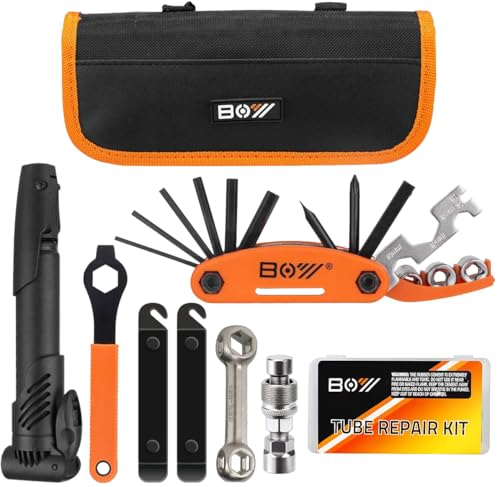
- Stage bike pumps, spare tubes, and rags at transition rows, after the transition lead maps the lanes
- American Red Cross CPR AED: https://www.redcross.org/take-a-class/cpr
- USLA lifeguard standards: https://usla.org/page/standards
- FCC Amateur Radio Service: https://www.fcc.gov/wireless/bureau-divisions/mobility-division/amateur-radio-service
- USA Triathlon SafeSport: https://www.usatriathlon.org/safe-sport
How To Volunteer At A Triathlon Race: A Step-By-Step Guide
I coach athletes through race day, and I also coach volunteers through the same triathlon race flow. I keep this process simple, fast, and athlete focused.
Find Opportunities And Sign Up
- Search local club calendars, race directors, and sanctioning bodies for triathlon race listings. Use USA Triathlon at usatriathlon.org, World Triathlon at triathlon.org, and IRONMAN at ironman.com.
- Filter by date, location, and role. Target registration, transition, course marshal, aid station, finish line.
- Prioritize races that match your time block and travel radius. Favor 10 to 30 minutes from home for first events.
- Register on the race volunteer portal. Complete waivers, emergency contact, and role preferences in one session.
- Track confirmation emails and portal dashboards. Save the assignment PDF and the check in map.
| Race tier | Typical volunteer window | Common shift length | Portal location |
|---|---|---|---|
| Local sprint or Olympic | 14–45 days out | 3–5 hours | Race director site or club site |
| Regional series | 30–90 days out | 4–6 hours | Series portal |
| IRONMAN 70.3 | 60–120 days out | 5–6 hours | ironman.com Volunteer |
| IRONMAN 140.6 | 90–180 days out | 6–8 hours | ironman.com Volunteer |
Sources: USA Triathlon Event Services usatriathlon.org, World Triathlon triathlon.org, IRONMAN Volunteer Program ironman.com.
Confirm Your Assignment And Schedule
- Read the assignment email and the race volunteer guide on the portal.
- Note the call time, check in location, and role supervisor name.
- Ask questions by email or portal message if role tasks look unclear.
- Set alerts 7 days, 48 hours, and 12 hours before your triathlon race call time.
Prepare Your Gear And Logistics
- Pack a clear bag with photo ID, phone, portable charger, pen, tape, sunscreen, hat, sunglasses, light gloves.
- Dress in layers, moisture wicking socks, and closed toe shoes for wet ground and long standing.
- Label your bag and bottle with name, role, and phone.
- Charge your phone and download the course map, parking map, and emergency contact sheet.
- Hydrate with 500–750 ml water pre shift, then 250 ml per hour on station.
- Plan transit with 15–20 extra minutes for parking and walking.
Check In On Race Day
- Arrive 45–60 minutes before your shift window for your triathlon race assignment.
- Park in the volunteer lot or the offsite lot as directed by the race map.
- Check in at the volunteer tent with photo ID, then sign the onsite waiver if requested.
- Pick up the volunteer shirt, badge, wristband, and any radio or safety vest.
- Pin the shirt and badge, then stow the wristband QR in a pocket photo for backup.
- Locate your supervisor, then confirm the role tasks and the safety plan.
Execute, Communicate, And Stay Safe
- Serve athletes with clear directions, short phrases, and consistent pointing.
- Signal turns, hazards, and dismount lines with hand signals and firm voice cues.
- Observe bib numbers, course flow, and rule adherence under USAT rules at usatriathlon.org and World Triathlon rules at triathlon.org.
- Document incidents with time, location, bib, and brief notes in your phone.
- Report medical issues to the supervisor or medical team by radio or phone, then stay with the athlete until relieved.
- Support cutoff enforcement and lane integrity, then route questions to the supervisor.
Sources: USA Triathlon Competitive Rules usatriathlon.org, World Triathlon Competition Rules triathlon.org, American Red Cross First Aid redcross.org.
What To Bring And Wear
I pack volunteer gear like I pack race gear. I match layers and tools to the course, the shift, and the venue.
Clothing And Footwear
- Wear moisture wicking layers for race day movement across transition, aid stations, and the finish chute.
- Wear a lightweight waterproof shell for early starts and unpredictable weather.
- Wear closed toe shoes with grippy soles for wet decks, curbs, and painted lines.
- Wear a brimmed hat or visor for sun at bike mount lines and run turns.
- Wear thin work gloves for ice, bottle handling, and barricade moves.
- Wear high visibility or event volunteer tops for quick identification, per USA Triathlon event guidance https://www.usatriathlon.org.
Sun, Weather, And Hydration
- Pack broad spectrum sunscreen for long shifts on open bike and run courses, per the American Academy of Dermatology https://www.aad.org.
- Pack lip balm with SPF for wind and sun at waterfront transitions.
- Pack polarized sunglasses for spotting bibs and hand signals in glare.
- Pack a soft flask or bottle for personal hydration at remote posts, per NIOSH heat guidance https://www.cdc.gov/niosh.
- Pack a light buff for sun on the neck and for dust on rural bike legs.
- Pack hand sanitizer with 60% plus alcohol for aid station hygiene, per CDC https://www.cdc.gov.
Tech And Essentials
- Carry a charged phone for crew messages, course maps, and incident notes.
- Carry a small battery pack for 6 to 10 hour shifts and cold starts.
- Carry printed course schematics for swim exit, mount line, and split points.
- Carry a fine tip marker and tape for quick signage and bottle labels.
- Carry a whistle for urgent course holds at intersections, if the director issues one.
- Carry snacks with salt like pretzels and trail mix for steady energy off cycle.
Best Practices And Etiquette
I coach volunteers for triathlon race flow and athlete safety. I keep the focus on respectful support and crisp communication.
Supporting Athletes Respectfully
- Cheer cleanly, avoid pacing or shadowing any athlete, per USAT and World Triathlon rules (USA Triathlon Competitive Rules 2024, World Triathlon Competition Rules).
- Offer aid correctly, present cups flat side up at aid stations, avoid direct handoffs on bikes for safety.
- Protect space, stand behind tape or cones at the triathlon race course, never step onto the racing line.
- Use neutral language, say Go 245 or Nice work blue kit, avoid personal contact unless an athlete asks or a safety risk exists.
- Keep the course fair, decline to pass gels or equipment, direct athletes to official aid only.
- Direct accurately, point with a full arm toward the turn, say Left turn in 50 ft at cone 3.
- Respect dignity, cover athletes with space blankets at the finish as requested, avoid photos in medical areas.
Teamwork And Clear Communication
- Check in early, confirm your station, learn the chain of command, race director then captain then you.
- Use standard calls, say Copy, Aid 2 needs ice, ETA 10 minutes, mile 8, eastbound lane.
- Close the loop, repeat back assignments, acknowledge updates with Received or Confirmed.
- Report precisely, include location, bib number, issue, example Bib 317, lost chip, T2 exit.
- Signal clearly, use hand signals for slow, stop, merge, mirror the course marshals at intersections.
- Log events, note time in 24-hour format, 09:15 bike crash turn 4, relay to medical and timing.
- Escalate fast, contact medical for heat illness, crashes, loss of consciousness, per event EAP.
Handling Issues And Emergencies
- Prioritize life safety, call 911 first for unresponsive or breathing emergencies, then alert medical lead on radio (American Red Cross First Aid).
- Recognize heat stress, look for confusion, cramps, hot dry skin, move the athlete to shade, cool with ice and water spray, report location and bib (CDC Heat and Physical Activity).
- Manage hypothermia risk, look for shivering, slurred speech after swim or rain, provide dry layers and space blanket, notify medical.
- Control scenes, stop pedestrian flow around the incident, direct race traffic with marshals, maintain a clear lane for EMS.
- Protect rules, record drafting, blocking, outside assistance, report bibs to the head referee, avoid on-course adjudication yourself (USA Triathlon Competitive Rules 2024).
- Apply lightning protocol, clear exposed areas at the first thunder, move athletes and volunteers to shelter, resume only after 30 minutes since last thunder per event policy (NFHS Lightning Safety).
- Preserve data, collect names, bibs, times, witness notes, hand off to timing, medical, and the race director.
Perks, Challenges, And What To Expect
I coach athletes and crews at races worldwide, so I see the volunteer experience up close. I focus on clear expectations, fair rewards, and realistic load.
Benefits And Incentives
Get tangible value from a triathlon race volunteer shift. Get community impact, future race access, and sport education in return for time on course.
- Receive race credit or discounts, for example $25 to $100 vouchers per shift at major series events (IRONMAN Volunteer Program).
- Receive merch, for example event T‑shirts, hats, or jackets, plus snacks and drinks on shift (USAT Event Organizer Manual).
- Receive priority entry, for example early access windows for flagship races after a same‑event shift (IRONMAN Volunteer Priority Access).
- Gain skills, for example radio use, course ops, or basic first aid per station training (American Red Cross guidelines).
- Log service hours, for example school credit or corporate programs with signed verification (USAT club policies).
- Improve coaching insight, for example transition flow, aid handoffs, and finish line care seen from inside the triathlon race.
| Perk type | Typical value | Notes | Source |
|---|---|---|---|
| Race credit | $25 to $100 per shift | Varies by event tier | IRONMAN Volunteer Program |
| Merch | 1 to 3 items | Shirt, hat, jacket examples | USAT Event Organizer Manual |
| Priority entry | 24 to 72 hour window | Flagship events only | IRONMAN Volunteer Priority Access |
| Snacks and drinks | Continuous during shift | Water, electrolytes, light food examples | USAT Event Organizer Manual |
| Training | 15 to 45 minutes pre shift | Radio, safety, role brief examples | American Red Cross, USAT |
Common Challenges To Anticipate
Expect early call times, for example 4:30 to 6:00 a.m. check‑in at swim start. Expect weather swings, for example sun, wind, rain, or cold on open courses. Expect noise and crowds near finish chutes and bike mount lines. Expect repetitive tasks, for example cup fills or bag tagging for long blocks. Expect heavy foot traffic that limits breaks during peak waves. Expect heat exposure on summer pavement and chill near bodies of water. Expect occasional difficult interactions when athletes feel stress late in the race.
- Expect clear instructions to change mid shift if safety or flow requires it.
- Expect radio silence during emergency traffic to keep channels open.
- Expect firm course rules, for example no unauthorized pacing or handoffs, per USAT rules.
- Expect quick debriefs after incidents to align on next steps.
Sources: USA Triathlon Competition Rules, USAT Event Organizer Manual, FEMA ICS‑100 for event comms.
Time Commitment And Physical Demands
I plan volunteer loads by race tier and station intensity. I match roles to fitness, footing, and heat tolerance first.
| Race tier | Typical shift length | Peak window | Typical steps per shift | Lifting and carry | Notes |
|---|---|---|---|---|---|
| Local Sprint | 3 to 4 hours | Start to early bike | 6,000 to 9,000 | 10 to 20 lb water jugs | Compact venue |
| Olympic‑Distance | 3 to 5 hours | Start to mid run | 8,000 to 11,000 | 10 to 20 lb boxes | Wider course |
| 70.3 | 5 to 8 hours | Bike to late run | 10,000 to 14,000 | 15 to 25 lb ice and fluids | Heat load higher |
| 140.6 | 6 to 12 hours | Mid bike to finish | 12,000 to 18,000 | 15 to 25 lb repeat moves | Night finish common |
- Manage standing time with rotation, hydration, and shade per heat safety guidance.
- Manage hand protection with gloves for ice, bottles, and barricades.
- Manage pace with micro breaks during low traffic gaps.
Sources: USAT Event Organizer Manual, IRONMAN Ops Guides, NIOSH Heat Stress, American College of Sports Medicine position stands.
After The Race
I shift from race-day action to race recap and community support. I lock in lessons while the triathlon race details stay fresh.
Debrief And Provide Feedback
I debrief fast with the crew and provide clear feedback. I hit this within 24 to 48 hours while memory accuracy stays high per survey best practices from public administration research and event ops guidance from USA Triathlon.
- Share quick wins and gaps, then add specifics like location, time, and bib ranges.
- Note safety items, then include actions taken and who responded.
- Flag equipment issues, then include make, model, and station numbers.
- Upload photos or short clips, then label with discipline and mile markers.
- Complete the organizer survey, then expand on any low ratings with examples like aid station staffing or signage density.
I report any misconduct through SafeSport channels, then use USA Triathlon SafeSport procedures for athlete and volunteer welfare. I escalate medical concerns through the race medical director, then include incident forms and witness names per USAT race director guidelines.
| Post-race step | Ideal window | Primary channel |
|---|---|---|
| Team huddle notes | 0–24 hours | Shift lead, WhatsApp, Slack |
| Organizer survey | 24–72 hours | Email link, web form |
| Safety or conduct report | Immediate | USAT SafeSport portal |
| Equipment or course report | 24–48 hours | Race director email, form |
Sources: USA Triathlon Race Director Resources, USA Triathlon SafeSport; IRONMAN Volunteer Program communications
Log Volunteer Hours And Recognition
I log volunteer hours to capture credit and eligibility. I submit exact shift times and roles like transition marshal or run aid captain.
- Record start and end times, then match the sign-in and sign-out sheets.
- Attach supervisor names, then request a signature or digital approval.
- Enter hours in school, club, or corporate portals like GivePulse or Benevity.
- Claim race credits or priority entries, then follow the event’s volunteer policy from IRONMAN or local organizers.
- Save swag codes and parking receipts, then upload for reimbursement if the event offers it.
I keep a simple log for my coaching files, then reference it when I mentor new volunteer-triathlon-race crews. IRONMAN and many USAT-sanctioned events offer credits, merchandise, or priority entry for future races per published volunteer policies.
Sources: IRONMAN Volunteer Program Terms; USA Triathlon Sanctioning and Event Policies
Stay Involved With The Community
I stay involved to keep momentum and relationships strong. I join local calendars and groups for training and volunteer updates.
- Attend the next club night, then share takeaways on athlete flow and aid pacing.
- Follow race director channels like newsletters, Facebook groups, and TeamSnap.
- Pick one off-season skill day, then practice bottle handoffs and radio calls.
- Mentor a first-time volunteer, then pair up on a transition or finish line shift.
- Rotate roles across swim, bike, and run, then build a full-course perspective that boosts coaching impact.
I align future volunteer blocks with my training cycles, then target races that fit travel and peak builds. I add one major event each year like a 70.3 or full IRONMAN, then round out the season with two local sprints for community depth.
Conclusion
Volunteering at a triathlon lets me give real support while soaking up race day energy. I leave tired and proud and ready to do it again. If you feel that pull too pick a race and raise your hand. The crew will show you the ropes and you will make a difference from the first shift.
Start where it fits your life. Local or big stage both count. Bring a kind voice a steady step and a curious mind. I hope you join the next start line crew. I will be cheering beside you soon.