Picking my first triathlon felt big. I saw sprint Olympic and even off road options and my head spun. I wanted a race that fit my fitness my schedule and my budget. I also wanted a course that felt welcoming not wild.

In this guide I’ll help you choose that first start line with confidence. I’ll break down distance course type and terrain. You’ll weigh timing travel and weather. I’ll share simple filters so you skip stress and find a race that sparks joy. By the end you’ll have a short list and a plan that feels right for you.
How To Pick Your First Triathlon Race: What Matters Most
I coach first timers to pick a triathlon race that fits their life, fitness, and excitement. I race globally and I keep this simple.
Key Criteria To Prioritize
- Prefer race distance that matches first triathlon goals, like building confidence or testing speed.
- Prefer beginner friendly logistics, like on-site packet pickup, clear signage, generous cutoffs.
- Prefer safe swim format, like a lake with a wave start or a pool swim, not an ocean with surf.
- Prefer familiar terrain, like flat asphalt roads or smooth bike paths, not steep climbs or technical trails.
- Prefer temperate weather, like 55 to 75°F and low wind, not heat spikes or cold rain.
- Prefer nearby travel, like under 2 hours by car, not flights that add cost and stress.
- Check course caps and drafting rules from the organizer, like USA Triathlon age group rules.
- Check cutoffs for each leg, like swim 30 to 60 minutes, bike time windows, finish line limit.
- Check support quality, like lifeguards on course, aid stations every 10 to 15 miles on the bike.
- Confirm date fit with your calendar, like avoiding family events, work sprints, peak allergy season.
Aligning The Race With Your Fitness And Goals
I match race distance to current training volume and pace. I use data from weekly sessions, like 3 swims, 3 rides, 3 runs.
- Pick Super Sprint or Sprint for a first triathlon if long workouts feel taxing.
- Pick Olympic if you hold consistent volume, like 6 to 8 hours per week for 8 to 12 weeks.
- Pick 70.3 later if you manage long days, like rides of 2 to 3 hours and runs of 75 to 90 minutes.
- Pick flat courses for base aerobic focus, pick rolling courses for strength focus.
- Set a primary goal first, then add one constraint, like finish strong first attempt, avoid injury.
- Align swim distance with pool benchmarks, like 400 yd continuous easy, 100 yd pace repeats.
- Align bike distance with outdoor confidence, like stable handling in crosswinds, safe cornering.
- Align run distance with current long run, like 5 to 6 miles steady without pain.
- Use a fitness check every 3 weeks, then adjust race options, like moving from Olympic to Sprint if fatigue climbs.
- Choose an organization that fits your style, like local USA Triathlon sanctioned races or World Triathlon city events.
Race distances and typical parameters
| Distance | Swim | Bike | Run | Typical beginner finish range | Common time limits | Primary sources |
|---|---|---|---|---|---|---|
| Super Sprint | 250 to 500 m | 6 to 12 mi | 1 to 3 mi | 0:45 to 1:15 | Organizer specific | USA Triathlon event guides |
| Sprint | 750 m | 20 km | 5 km | 1:15 to 2:00 | 2:00 to 3:00 | USA Triathlon, World Triathlon |
| Olympic | 1.5 km | 40 km | 10 km | 2:30 to 4:00 | 3:30 to 4:00 | World Triathlon competition rules |
| 70.3 | 1.9 km | 90 km | 21.1 km | 5:30 to 8:30 | 8:00 to 8:30 | IRONMAN athlete guides |
| 140.6 | 3.8 km | 180 km | 42.2 km | 11:00 to 17:00 | 17:00 total | IRONMAN athlete guides |
I cite USA Triathlon, World Triathlon, IRONMAN for distances, formats, and limits. Event athlete guides post exact cutoffs for each race.
Choosing The Right Distance And Format
I match race distance and format to current fitness and swim comfort. I prioritize easy logistics for a first triathlon race.
Sprint Vs. Olympic: Pros And Cons For Beginners
I anchor distance choices to official standards from USA Triathlon and World Triathlon.
| Distance | Swim | Bike | Run | Source |
|---|---|---|---|---|
| Sprint | 0.75 km, 750 m | 20 km | 5 km | USA Triathlon, World Triathlon |
| Olympic | 1.5 km | 40 km | 10 km | USA Triathlon, World Triathlon |
- Pick Sprint for lower training load, shorter sessions fit busy weeks.
- Pick Sprint for faster recovery, back to normal training within 24 to 48 hours.
- Pick Sprint for confidence building, reduced open water exposure helps first timers.
- Pick Sprint for cost control, entry fees and travel tend to stay lower.
- Pick Olympic for steadier pacing practice, longer efforts teach fueling and hydration.
- Pick Olympic for course previewing, step toward 70.3 demands without big stress.
- Pick Olympic for race density, larger fields improve drafting legality awareness.
- Pick Olympic for skill development, transitions and sustained effort get tested.
- Avoid Olympic first if run volume sits under 15 mi or 24 km per week.
- Avoid Olympic first if continuous swim efforts over 1 km feel stressful.
- Avoid Sprint only if 5 km run pace creates no aerobic challenge for you.
Pool Swim, Open Water, Or Relay Options
I match the swim format to current comfort and local access.



- Choose a pool swim first if cold water or sighting creates panic.
- Choose a pool swim first if lane starts and clear pacing reduce stress.
- Choose a pool swim first if winter timing limits open water access.
- Choose open water for realism if sighting and drafting practice matter.
- Choose open water for excitement if mass starts and variable conditions motivate you.
- Choose open water for progression if the next target race uses lakes or ocean.
- Choose a relay for gradual exposure if the swim leg causes anxiety.
- Choose a relay for skill focus if you want to race only bike or run.
- Choose a relay for community if friends or club mates seek a shared goal.
I lean on USA Triathlon for sanctioned event formats and safety guidance, and I confirm distances against World Triathlon and IRONMAN event pages for exact courses.
Course And Conditions You Can Handle
I match the race course to my current skills, not my future goals. I pick terrain and weather that reduce risk, then I build experience fast.
Swim Entry, Water Temps, And Wetsuit Rules
I scout the swim format first, then I remove surprises.
- Verify entry style, then plan pacing. Rolling starts, time-trial starts, and small waves spread athletes, reduce contact, and lower stress. Mass starts compress athletes, raise contact, and demand confident sighting. Race pages list formats.
- Confirm water type, then practice the same. Pool swims deliver clear lanes and set splits. Lakes offer calmer water and simple sighting. Rivers add current and uneven pacing. Oceans add surf, chop, and lateral current.
- Check temps and rules, then choose gear. USA Triathlon wetsuit policy: legal at ≤78.0°F with awards, optional at 78.1–83.9°F without awards, illegal at ≥84.0°F (USA Triathlon Competitive Rules, https://www.teamusa.org/USA-Triathlon/USAT-for-Me/Rules). IRONMAN follows a 76.1°F legal limit for age group awards with optional use up to 83.8°F in a separate start without awards slots (IRONMAN Competition Rules, https://www.ironman.com/rules).
- Practice exits and entries, then cut time loss. Beach runs, dock jumps, and ramp steps change heart rate and cadence. Shallow entries reward high-knee runs. Deep-water starts reward relaxed sculling and strong first 10 strokes.
- Inspect safety coverage, then assess comfort. Look for lifeguard density, sighting buoys every 100–200 m, and a triangle or rectangle layout. Race athlete guides list counts and spacing.
Water temperature and wetsuit thresholds
| Governing body | Wetsuit legal for awards | Wetsuit optional no awards | Wetsuit prohibited |
|---|---|---|---|
| USA Triathlon | ≤78.0°F | 78.1–83.9°F | ≥84.0°F |
| IRONMAN Age Group | ≤76.1°F | 76.2–83.8°F | ≥83.9°F |
Sources: USA Triathlon Competitive Rules, IRONMAN Competition Rules
Bike And Run Terrain, Elevation, And Surfaces
I pick the bike and run I can ride and run clean, then I pace evenly.
- Map elevation gain, then match it to fitness. Flat sprint courses usually sit under 250 ft total gain. Rolling routes land near 250–750 ft. Hilly profiles push past 1,000 ft. Race GPS files and athlete guides show gain.
- Check climb grades, then gear for cadence. Sustained grades over 5% strain beginners over 10 minutes. Short pitches over 8% require low gearing like 50/34 with 11–32 cassettes.
- Inspect surfaces, then plan tires and pressure. Fresh asphalt rides fast. Chip seal vibrates and slows by 1–2% power cost over 40–60 minutes. Packed gravel demands wider tires like 28–32 mm and lower pressures.
- Review turns and technical zones, then set handling limits. Hairpins, roundabouts, and off-camber corners cut speed and raise crash risk. Course maps flag no-pass zones and dismount lines.
- Align run footing, then protect calves. Concrete hits harder than asphalt. Trails reduce impact yet increase ankle load. Mixed courses reward stable shoes with 4–8 mm drop.
Weather, Cutoff Times, And Field Size
I plan for local weather and time limits, then I run my race plan.
- Pull climate normals, then choose a month. Use NOAA normals for water and air by location, and prioritize 60–75°F air and low humidity for a first start when possible (NOAA Climate, https://www.ncei.noaa.gov). Hot races demand heat acclimation and higher sodium.
- Track wind trends, then select exposure. Coastal venues post higher morning winds and gusts. Open farm roads amplify crosswinds. Forested routes cut gust load.
- Confirm cutoffs, then predict splits. Sprint and Olympic races post local rules. IRONMAN 70.3 and 140.6 publish fixed segment and total cutoffs.
| Distance | Swim cutoff | Bike cutoff | Run cutoff | Total cutoff | Source |
|---|---|---|---|---|---|
| Sprint | 20–40 min | 90–120 min | 60–90 min | 2.5–3.5 h | Race guides, USA Triathlon |
| Olympic | 45–60 min | 2–3 h | 1–1.5 h | 3.5–4.5 h | Race guides, World Triathlon |
| IRONMAN 70.3 | 1:10 | 5:30 bike elapsed | 8:00 run start | 8:30 total | IRONMAN Athlete Guide |
| IRONMAN 140.6 | 2:20 | 10:30 bike elapsed | 16:20 run start | 17:00 total | IRONMAN Athlete Guide |
- Estimate field size, then balance flow and support. Small fields under 300 reduce congestion and drafting risk. Mid fields at 300–1,500 add energy and steady aid. Large fields over 1,500 pack transitions and turns yet boost crowd support.
- Scan aid-station spacing, then test fueling. Bike stations often sit every 10–15 mi. Run stations often sit every 1–1.5 mi. Athlete guides publish exact spacing and offerings.
Timing, Location, And Budget
I anchor race timing to my current fitness and local climate, then I match location and cost to reduce stress. I aim for minimal travel, predictable weather, and clear costs.
Race Season, Travel, And Accommodations
I align race season with a realistic build, then I lock travel that protects sleep and routine.
- Check local climate normals first, then pick a month with stable temps and low wind. I use NOAA Climate Normals for water and air data, then I target swim temps near my wetsuit plan and run temps under 75°F for comfort. [Source: NOAA]
- Match the race date to training time, then add taper and recovery. I use 8 to 12 weeks for Sprint builds and 12 to 16 weeks for Olympic builds, then I place key sessions around the course demands. [Sources: USA Triathlon, IRONMAN coaching resources]
- Plan short travel for a first start, then expand radius later. I drive under 3 hours for beginners, then I avoid flights and time zones on race one. [Source: USA Triathlon]
- Book lodging within 1 mile of the start, then cut race morning transit risk. I prioritize late checkout and kitchen access, then I reduce pre race stress with walkable packet pickup. [Source: USA Triathlon Race Director guidelines]
- Confirm packet pickup times and athlete briefings early, then arrive the day before the last pickup window. I keep buffer time for bike checks and preview jogs. [Source: Event athlete guides]
Key planning numbers
| Factor | Recommended target | Example |
|---|---|---|
| Sprint build length | 8–12 weeks | Local Sprint in June after April start |
| Olympic build length | 12–16 weeks | Olympic in September after May start |
| Drive time cap | ≤3 hours each way | In state lake race |
| Time zone change | 0–1 hour | Regional event |
| Lodging distance | ≤1 mile from start | Walk to transition |
| Swim temp comfort | 60–78°F with wetsuit rules | 70°F lake swim |
« Triathlon Events with Unique Formats: Top Picks, Rules, Tactics & Training Tips
Wetsuit rules vary by sanctioning body, then I confirm thresholds before registering. USAT allows wetsuits for age groupers up to 78°F, lists optional between 78.1–83.9°F with ineligibility for awards, and bans at 84°F and above. [Source: USA Triathlon Competitive Rules]
Entry Fees, Gear Needs, And Hidden Costs
I map all costs before I click register, then I trim non essentials and protect the race experience.
- List fixed fees first, then check tier pricing and refund rules. Sprint entries often run $60–$120, Olympic entries often run $90–$180, long course entries carry higher fees, and early tiers save 10–30%. [Sources: USA Triathlon event listings, IRONMAN]
- Add membership or one day license costs, then compare annual value. USAT adult annual membership lists at about $60, and one day licenses commonly price around $15–$20 for short course. [Source: USA Triathlon Membership]
- Inventory mandatory gear, then gap fill with rentals or used buys. I prioritize a safe bike, an ANSI helmet, goggles, a race belt, and run shoes, then I rent a wetsuit for $40–$80 if water temps trend cool. [Sources: USA Triathlon rules, major retailers]
- Price travel line items, then pick the lowest risk route. I estimate fuel or rideshare, tolls, lodging taxes, parking, and breakfast, then I confirm bike storage with the hotel. [Source: Event athlete guides]
- Calculate bike transport if flying, then compare ship vs airline. Many airlines accept bikes as checked luggage at standard bag fees or $50–$150 each way, while shipping services quote $60–$120 each way with advance booking. I follow TSA guidance on bike cases and tools. [Sources: Airline baggage policies, TSA]
| Cost item | Typical range | Notes |
|---|---|---|
| Sprint entry fee | $60–$120 | Early tier lowers cost |
| Olympic entry fee | $90–$180 | Venues and swag affect price |
| USAT one day license | $15–$20 | Short course range |
| USAT annual membership | ~$60 | Frequent racing value |
| Wetsuit rental | $40–$80 | Weekend rental |
| Lodging per night | $100–$220 | Walkable hotels |
| Parking race day | $0–$20 | Event lots vary |
| Bike airline fee each way | $0–$150 | Policy by carrier |
| Bike shipping each way | $60–$120 | Lead time lowers price |
| Race photos | $20–$60 | Optional bundle |
| Nutrition race weekend | $10–$30 | Gels bottles snacks |
- Verify refund deferral transfer policies, then protect your budget. IRONMAN and many USAT sanctioned events post cutoffs and fees for changes, and I log those dates on my calendar. [Sources: IRONMAN Policy, Event athlete guides]
- Lock a simple nutrition plan, then avoid last minute expo buys. I pack tested gels and bottles for race morning and on course splits. [Source: USA Triathlon coaching resources]
How To Research, Compare, And Decide
I research like an analyst, I compare like a racer, then I decide based on fit and facts. I keep my first triathlon race list short to drive action.
Where To Find Races And Read Athlete Reviews
- Use USA Triathlon Calendar for sanctioned events and beginner filters. Source: USA Triathlon.
- Use World Triathlon for continental cups and local federations. Source: World Triathlon.
- Use IRONMAN for 70.3 and 140.6 plus some Sprints. Source: IRONMAN.
- Use state federation sites for local Sprints and Olympics. Examples: California Triathlon, Florida Triathlon.
- Use club pages for low key events and clinics. Examples: Team in Training, Tri Club of San Diego.
- Use race directories for broad searches. Examples: TriFind, Active, RunSignUp.
- Use RaceRaves and Facebook groups for athlete reviews and course tips. Examples: BeginnerTriathlete forum, r/triathlon.
I cross reference dates and permits if listings conflict. I add only races with published guides and maps to my compare list.
Interpreting Course Maps And Athlete Guides
I pull the same data points from every guide to compare like for like.
| Item | Data to capture | Example | Source cue |
|---|---|---|---|
| Swim format | Mass, rolling, wave, TT start | Rolling start | Athlete guide |
| Water type | Pool, lake, river, ocean | Lake | Athlete guide |
| Temp range | Average, wetsuit rule | 62 to 68 F | USAT wetsuit guidance |
| Distance variance | Course notes | Long swim by 100 m | Athlete briefing |
| Bike elevation | Total gain ft or m | 1,200 ft | Course map |
| Bike surface | Road, chip seal, gravel | Chip seal | Athlete guide |
| Turns and traffic | Closed roads, open roads | Open with marshals | Athlete guide |
| Run elevation | Total gain ft or m | 250 ft | Course map |
| Run surface | Asphalt, trail, track | Asphalt and trail | Athlete guide |
| Aid stations | Count and spacing | 4 on run, 2 on bike | Athlete guide |
| Cutoffs | Segment and total times | 20 min swim, 2 hr total Sprint | USAT, IRONMAN |
| Transition | Single or split, layout | Single T, long run-in | Venue map |
| Parking and shuttle | Onsite, offsite, times | Offsite shuttle from 5:30 am | Athlete guide |
I confirm cutoffs against USAT or IRONMAN pages if the PDF looks dated. I mark any unknowns to ask at the pre race Q and A.
Red Flags And Green Lights
- Avoid missing permits and vague maps if local news shows roadwork near the venue.
- Avoid no swim backup plan if weather history shows frequent high surf or algae blooms.
- Avoid single open lane bike courses if the field size tops 1,000.
- Avoid last minute schedule changes if the organizer history shows repeated deferrals.
- Avoid sparse medical coverage if the guide lists few lifeguards and no on course EMS.
- Avoid limited aid if temps trend above 80 F and aid spacing exceeds 2 miles.
- Prefer rolling swim starts if you want low contact and steady pacing.
- Prefer protected water like lakes if you build confidence on your first triathlon.
- Prefer closed or coned bike lanes if you value simple execution on race day.
- Prefer simple logistics like single transition and onsite parking if you travel solo.
- Prefer detailed guides with maps, timetables, and staffing plans if this is your first race.
- Prefer events with clinics, briefings, and beginner waves if you learn best with structure.
I pick the race that clears red flags and hits two green lights that matter most to me, examples include closed roads and a rolling start.
Starter-Friendly Picks And Scenarios
I match first race picks to common starter scenarios. I use formats that lower stress and build skill quickly.
Best For Nervous Swimmers
I start athletes in controlled water to cut anxiety. I use pool sprints, indoor triathlons, and protected lake venues with time trial or rolling starts. I confirm wetsuit rules and water temps against USA Triathlon guidance, wetsuits stay legal at 78°F and below, allowed with ineligibility for awards at 78.1 to 83.9°F, and prohibited at 84°F and above, source USA Triathlon Competitive Rules 2024.
- Pick formats with lane lines or buoys, examples include YMCA pool sprints, Life Time indoor tris, and campus rec super sprints.
- Favor starts that trickle athletes, examples include time trial entries off the deck, rolling starts by estimated pace, and small wave caps.
- Look for sheltered water, examples include quarry swims, small inland lakes, and reservoirs with no current.
- Practice the exact entry style, examples include deck pushoffs, ramp walk ins, and short beach wades.
Water temperature guidance
| Scenario | Temp °F | Wetsuit Status | Source |
|---|---|---|---|
| Pool sprint | 78–82 | Not used | Facility standards |
| Lake sprint cool | 60–75 | Legal | USA Triathlon 2024 |
| Lake sprint warm | 78.1–83.9 | Allowed no awards | USA Triathlon 2024 |
| Lake sprint hot | ≥84 | Prohibited | USA Triathlon 2024 |
Best For Flat, Fast Courses
I prioritize flat bike and run profiles to keep pacing simple. I filter by low elevation gain and light wind exposure.
- Target bike gain under 100 ft per 10 mi, examples include airport loop sprints, canal path out and backs, and park road circuits.
- Target run gain under 50 ft per 5 km, examples include riverwalk paths, track plus campus loops, and boardwalk promenades.
- Scan course cues for speed, examples include multi loop layouts, closed roads, and wide turns.
- Verify surface uniformity, examples include smooth asphalt, concrete paths, and packed fines with no sand.
Flat course benchmarks
| Leg | Distance | Elevation Gain Target | Surface Target |
|---|---|---|---|
| Bike | 12–15 mi | ≤150 ft total | Smooth asphalt |
| Run | 5 km | ≤50 ft total | Asphalt or concrete |
| Bike | 25–28 mi | ≤300 ft total | Smooth asphalt |
| Run | 10 km | ≤100 ft total | Asphalt or concrete |
Best Community-Run First-Timer Events
I steer beginners toward community races that teach and support. I look for clinics, extra marshals, and beginner waves.
- Choose local organizers with education, examples include park district sprints, YMCA tri series, and collegiate club bridge events.
- Choose formats with coaching touchpoints, examples include pre race webinars, course preview rides, and transition walk throughs.
- Choose logistics that simplify race day, examples include on site packet pickup, onsite parking, and compact transition layouts.
- Choose policies that reduce risk, examples include generous cutoffs, on course mechanical support, and robust medical staffing.
Community features to scan
| Feature | Starter Benefit | Indicator |
|---|---|---|
| Beginner wave | Lower density swim | Separate cap color |
| On course clinics | Procedural clarity | Scheduled sessions |
| Volunteer ratio | Extra guidance | High marshal count |
| Local sanction | Safety standards | USAT sanctioned listing |
References include USA Triathlon Competitive Rules 2024 for wetsuit thresholds and sanctioned event standards, plus IRONMAN athlete guides for rolling start swim implementations in mass participation settings.
Decision Checklist
Decision checklist organizes how I pick my first triathlon race.
- Define goal clarity for this first triathlon race, for example finish strong or race for a time
- Match distance to training reality for this first race, for example Sprint for 2 to 4 hours per week or Olympic for 4 to 6 hours per week
- Select date inside an achievable build, if my base is low keep the date closer
- Pick swim format that fits stress level, for example pool or protected lake for beginners
- Confirm cutoffs against my paces, if pace math misses the window choose an easier course
- Scan course maps for low risk terrain, for example flat bike and paved run for steadier pacing
- Align climate with local training, if heat or cold is extreme pivot to another month
- Plan travel that protects sleep and routine, for example drive under 2 hours or book 1 night near start
- Map full budget before I register, for example entry fee plus USAT license plus lodging plus fuel
- Verify safety coverage in the athlete guide, for example lifeguards on the swim and medical on course
- Check field size and start format, for example rolling starts and 500 to 1,500 athletes for smoother flow
- Read recent race reviews on multiple sites, for example RaceCheck and Facebook groups and Reddit
- Email the race director with one precise question, if reply is vague downgrade the option
- Rehearse logistics in a mini brick, if transitions feel chaotic look for beginner support
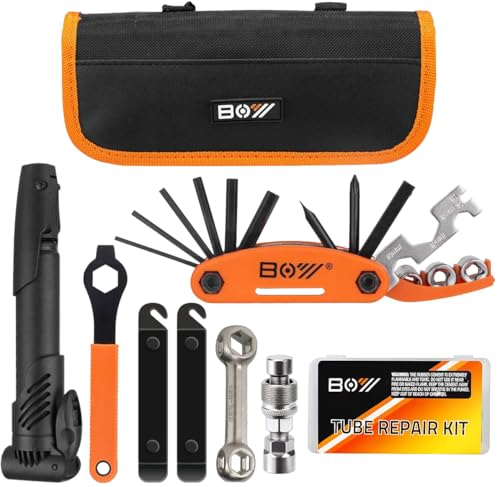
- Lock nutrition and gear lists early, for example wetsuit by temp and tube kit and clear bike rules
- Build a short list of 3 races then decide, if two feel equal pick the closest start
| Distance | Base weekly volume hrs | Build weeks | Typical cutoff hr | Swim format pick |
|---|---|---|---|---|
| Sprint | 2 to 4 | 10 to 14 | 2 to 3 | Pool or protected lake |
| Olympic | 4 to 6 | 14 to 18 | 3 to 4 | Protected open water |
Conclusion
You have everything you need to take the next step. Pick one race that sparks a little thrill and circle the date. Give yourself a simple deadline to decide so the choice does not linger.
Do one tiny action this week. Drive the course. Visit the pool. Join a local group ride. Each step builds calm and momentum.
When you register you move from planning to becoming a triathlete. That first start line will teach you more than months of scrolling. You will learn what you enjoy and what you want to tweak next time.
I am cheering for you. Drop your pick and your why. Then get ready to surprise yourself on race day.