
I love the buzz of race day and I bet you do too. Finding the right triathlon near me used to feel hard. Now I use a few smart tricks and I start each season with a full plan.

In this guide I’ll show how I track local races fast. You’ll see where to look online and how to tap your community. I’ll share tips to filter dates distance and course type so you don’t waste time. Whether you’re new or chasing a PR you can build a race list that fits your life and your budget.
Why Finding Local Triathlons Matters
Finding local triathlons matters for performance, consistency, and budget control. I race globally, yet I build my season around nearby events to stack quality starts without burnout.
- Save money on travel by racing near home. Skip flights and baggage fees.
- Save time each week by removing long commute days. Keep training volume steady.
- Train on similar terrain to the race. Match course demands on local roads and pools.
- Build confidence through frequent starts. Use sprints and Olympics as race reps.
- Build community through clubs and shops. Join USAT clubs, YMCA groups, and bike co-ops.
- Reduce logistics stress on race week. Use familiar gear setups and home routines.
- Support your training plan with predictable dates. Slot races into key build phases.
- Support family engagement and motivation. Bring partners and kids to local venues.
- Test gear in real conditions. Validate wetsuits, race tires, and fueling with low risk.
- Track progress across a season. Compare splits on repeat local courses.
Example ranges for local-race impact
| Factor | Local Focus | Travel-Race Focus |
|---|---|---|
| Travel time per event | 0.5–2 hours | 6–12 hours |
| Extra cost per event | $0–$100 | $300–$1,200 |
| Seasonal race starts | 4–8 | 1–3 |
| Recovery time post travel | 0–1 days | 2–4 days |
I anchor my athletes on a local triathlon calendar to align training blocks with real race outcomes. I then add select destination triathlon races if specific goals demand unique courses or championship fields.
Where To Search: Best Tools And Sources
I use a layered search so I catch both big-name series and hometown sprints. I start broad, then I validate with local contacts.
Race Calendars And Aggregator Sites
- Use aggregators, for example Active, RunSignup, TriFind, to scan regional listings fast.
- Use filters, for example date, distance, terrain, to match your training block.
- Use location tools, for example radius search, map view, to keep travel short.
- Use timing company calendars, for example It’s Your Race, Sportstats, to find events not cross-posted.
- Check editorial calendars, for example Triathlete, 220 Triathlon, to spot featured or new races.
National Governing Bodies And Sanctioned Lists
- Check USA Triathlon’s sanctioned calendar for safety standards, insurance, age-group rules, per USAT guidelines.
- Check World Triathlon for continental cups, world cups, age-group worlds, under the competition rules.
- Check Ironman and Challenge Family finders for branded options that post course PDFs and cutoff policies.
- Check British Triathlon, Triathlon Canada, Triathlon Australia, for national calendars outside the US.
Local Clubs, Coaches, And Shops
- Ask USAT-affiliated clubs for member-only codes, training swims, course recon, via club newsletters.
- Ask certified coaches for soft announcements, waitlist intel, course changes, heard on coach networks.
- Ask bike shops and run stores, for example bulletin boards, group ride chats, to catch charity sprints.
- Join masters swim teams, for example YMCA groups, to hear about pool sprints and relay openings.
Social Media And Community Forums
- Search Facebook Events with city names, for example Austin triathlon, to catch grassroots races.
- Join Facebook Groups, for example local tri clubs, to see RD posts and volunteer requests.
- Follow Reddit r/triathlon and city subs for race threads, gear swaps, and roommate shares.
- Track Discord and Slack club spaces for signup deadlines, volunteer swaps, and carpool plans.
Parks, Rec, And Charity Organizers
- Monitor city parks departments for lake permits, road closures, and tri-friendly dates.
- Monitor YMCAs, JCCs, Rotary Clubs, for example summer series, kids tris, super-sprints.
- Contact watershed and lake authorities for swim access windows that dictate event timing.
- Review nonprofit calendars, for example Leukemia and Lymphoma Society, American Cancer Society, for fundraisers that include multisport.
Fitness Apps And Wearables
- Sync RunSignup or Active to Garmin Connect to auto-log races, per Garmin event integration.
- Join Strava Clubs for race posts, course files, and recon meetups with GPX sharing.
- Save Strava segments on race routes for pacing targets, if segments align with the course.
- Track TrainingPeaks race entries to align build phases, if your coach shares a macrocycle.
| Source type | Example platforms | Typical geo radius option | Alerts | Cost |
|---|---|---|---|---|
| Aggregators | Active, RunSignup, TriFind | 5–100 mi | Email, RSS | Free, paid |
| NGB calendars | USA Triathlon, World Triathlon | State, national, global | Free | |
| Branded series | Ironman, Challenge Family | City, region | Email, app | Free |
| Timing firms | It’s Your Race, Sportstats | State, regional | Free | |
| Social platforms | Facebook Groups, Reddit | City, metro | App notifications | Free |
How To Evaluate A Race Before You Register
I audit each local triathlon race before I hit register. I check safety, course logistics, social proof, timing rules, and athlete support in one pass.
Safety And Permits
Safety anchors my decision because sanctioned local triathlon races use formal risk plans. I confirm USA Triathlon sanctioning, insurance, and certified officials on the event page if the race takes place in the United States (USA Triathlon Sanctioning Guide, https://assets.ussportscamps.com/pdfs/triathlon/USAT_Sanction_Guide.pdf). I check open water quality posts from the county health department if the swim uses a lake or ocean site, and I compare against EPA recreational water criteria for E. coli and enterococci thresholds for primary contact recreation at 126 cfu per 100 mL geometric mean for E. coli and 35 cfu per 100 mL for enterococci if the race lists recent test data (EPA RWQC, https://www.epa.gov/wqc/recreational-water-quality-criteria-and-methods). I scan permits from the city, the parks department, and the coast guard for open water starts, and I look for traffic control plans with police staffing counts.
Course Maps, Elevation, And Logistics
Course maps guide my training and gear. I open the official PDF or interactive map, and I cross check distance totals against the listed format like sprint 750 m swim 20 km bike 5 km run. I review elevation gain on each leg with the organizer map, and I validate with public GPS files from past participants on Strava or Ride with GPS if the organizer provides limited detail. I assess swim entry type like beach start or deep water start, bike lane protection like cones or full closure, and run surface like asphalt or hardpack. I confirm transition flow with labeled mount lines, rack numbering, and ingress and egress paths.




Reviews, Photos, And Race Reports
Reviews reduce surprises on race day. I scan athlete reports on RaceCheck, Slowtwitch forums, and local club pages for concrete notes like sighting buoys, aid station spacing, and post race medical. I source photos on Facebook albums, Instagram hashtags, and Flickr from the event year, and I match bib series to see density on the bike. I read coach or media recaps from Triathlete or 220 Triathlon for operational context like queue times and start waves.
Timing, Cutoffs, And Field Size
Timing defines pacing and risk. I confirm chip timing with splits for swim, T1, bike, T2, and run, and I check live tracking if I bring family to spectate. I record published cutoffs by segment and total time, and I align those times with my training paces. I check wave starts or rolling starts for crowd control, and I compare field size against lane or road width to estimate draft risk in non drafting races. I verify drafting rules and penalties under USA Triathlon Competitive Rules like 10 m draft zone front wheel to front wheel for age group, 15 s pass time, and variable time penalties for position fouls if the event lists USAT rules (USAT Competitive Rules, https://www.teamusa.org/USA-Triathlon/About/Multisport/Competitive-Rules).
Amenities, Swag, And Post-Race Support
Amenities influence comfort and recovery. I check aid stations at stated intervals like every 1 to 2 miles on the run and every 10 to 15 km on the bike, and I verify water, electrolyte, and gels by brand. I confirm on course toilets at start, transition, and run turnarounds. I look for medical staffing like EMT units and AED locations, and I check cold immersion tubs on hot race dates. I review swag and services like secure bag check, bike support in T1, post race food, and awards protocol with age group podiums.
| Vetting item | Target or reference value | Source |
|---|---|---|
| US sanction status | USAT sanctioned with certified officials | USA Triathlon Sanctioning Guide, https://assets.ussportscamps.com/pdfs/triathlon/USAT_Sanction_Guide.pdf |
| Recreational water bacteria | E. coli 126 cfu per 100 mL geometric mean, enterococci 35 cfu per 100 mL geometric mean | EPA RWQC, https://www.epa.gov/wqc/recreational-water-quality-criteria-and-methods |
| Sprint distance check | 0.75 km swim, 20 km bike, 5 km run | World Triathlon formats, https://www.triathlon.org/about |
| Olympic distance check | 1.5 km swim, 40 km bike, 10 km run | World Triathlon formats, https://www.triathlon.org/about |
| Draft zone age group | 10 m front wheel to front wheel, 15 s to pass | USAT Competitive Rules, https://www.teamusa.org/USA-Triathlon/About/Multisport/Competitive-Rules |
| Run aid spacing | 1 to 2 miles between stations for local events, examples include city park sprints and coastal 10 km loops | Event guides, organizer pages |
| Field size fit | ≤ 35 athletes per minute through bike mount for coned lanes, examples include rolling starts with corrals | Event ops best practice, organizer briefings |
- Confirm permits, sanction, insurance on the event page and USAT calendar
- Compare course maps, elevation, surfaces with training terrain in my plan
- Aggregate reviews, photos, race reports from clubs, forums, media
- Log timing system, cutoffs, waves, field size against my pace chart
- Verify amenities, medical, nutrition, and post race operations for recovery
Budget And Registration Strategy
I balance cost and flexibility when I find local triathlon races. I lock spots early then I protect options for life events.
Early-Bird Pricing And Deferral Options
I target early-bird tiers to trim entry costs for local triathlon races. I see 10% to 30% savings on first tiers based on RunSignup registration data and fee guidance (RunSignup Race Registration Policies, runsignup.com
|
RunSignup Pricing, runsignup.com).
Table: Early-bird windows and typical savings
| Tier | Window example | Typical savings |
|---|---|---|
| Super early | 90 to 120 days out | 20% to 30% |
| Early | 60 to 90 days out | 10% to 20% |
| Standard | 30 to 60 days out | 0% to 10% |
| Late | under 30 days | 0% |
I check deferral language before I buy. I look for clear steps, firm deadlines, and any admin fees. I prefer races that allow a one time deferral to the next year, a distance drop, or a credit for another event in the same series. I confirm USAT sanctioning then I verify that membership fees stay nonrefundable, since USA Triathlon states that membership purchases are nonrefundable and nontransferable (USA Triathlon Membership Policies, usatriathlon.org).
Listing
- Verify deferral windows, example 30 days before race day
- Verify deferral fees, example $15 to $30 per entry
- Verify change options, example distance change or next year credit
Refunds, Transfers, And Hidden Fees
« Triathlon Events with Flat Courses: Fast PR-Friendly Races, Top Picks, and Pro Tips
Best Relay Triathlon Races Worldwide: Top Events, Team Picks, and Planning Tips »
I scan refund rules first. I favor partial refunds on early cancellations, example 50% back at 60 days, 25% back at 30 days, no refunds under 14 days. I cross check policies posted on the registration platform, example RunSignup or Active, since platforms provide policy fields and fee schedules for race directors (RunSignup Race Registration Policies, runsignup.com
|
Active Registration Policies, support.activenetwork.com).
Listing
- Check refunds, example tiered by cutoff dates
- Check transfers, example bib transfer allowed within 10 days with a $10 to $25 fee
- Check distance changes, example Olympic to Sprint with price difference handled as credit only
- Check deferrals, example next year entry with an admin fee
I budget for add ons that inflate totals for local triathlon races. I include processing fees, USAT licensing, and city costs.
Table: Common add ons and typical ranges
| Cost item | Typical range | Source |
|---|---|---|
| Processing fee | 5% to 7% of entry | RunSignup Pricing, runsignup.com |
| USAT one day license adult | $15 | USA Triathlon Membership, usatriathlon.org |
| USAT annual adult | $60 | USA Triathlon Membership, usatriathlon.org |
| Bib transfer fee | $10 to $25 | RunSignup Race Policies, runsignup.com |
| Deferral fee | $15 to $30 | Race director policy pages |
| Parking | $5 to $20 | City venue pages |
| On site packet pick up fee | $5 to $10 | Organizer pages |
I cap surprises by reading the cart screen line by line. I toggle off extras, example hoodie, medal engraving, training plan upsell. I snapshot the policy section for my records in case I move races or claim partial refunds.
Plan Your Season Around Local Races
I map my year around nearby start lines, then I layer travel events for peak goals. I anchor training blocks to the local triathlon calendar, then I add tune-up races that fit my budget and recovery.
Building A Progression Of Distances
I build distance gradually across the season, then I space races to protect training quality. I use local sprint and Olympic events as stepping stones, then I target a longer A race only after consistent blocks.
- Anchor a macrocycle, pick 1-2 local A races across 6-8 months.
- Stack supporting races, add 2-4 local B or C races, for example sprints at weeks 4, 10, 18.
- Insert skill checks, choose events that match terrain, for example hilly bike, open-water chop.
- Progress distances, move Sprint to Olympic to 70.3 if fitness and time allow.
- Match workouts, align swim bike run sessions to course specifics, for example climbs, currents, heat.
I keep distance choices realistic, then I use standard formats to benchmark progress. USA Triathlon lists common formats, Sprint 750 m swim, 20 km bike, 5 km run, Olympic 1.5 km swim, 40 km bike, 10 km run, 70.3 1.9 km swim, 90 km bike, 21.1 km run (USA Triathlon, https://www.usatriathlon.org/multisport/getting-started/distances).
Sample local-first season plan
| Month | Target race | Distance | Race priority | Purpose |
|---|---|---|---|---|
| April | City Park Tri | Sprint | C | Skills rehearsal, open-water start |
| May | Riverfront Tri | Sprint | B | Pace test, brick execution |
| June | Metro Tri | Olympic | A | Mid-season peak, local podium |
| August | Lakeside Tri | Sprint | C | Speed refresh, transitions |
| September | County Tri | Olympic | B | Aerobic strength, nutrition check |
| October | Fall Classic | 70.3 | A | Season peak, long-course execution |
Balancing Family, Travel, And Recovery
I set race cadence with home life first, then I place training where it fits cleanly. I keep local events as the default, then I add travel races only when they serve a clear goal.
- Block key dates, enter family events, work peaks, school breaks on the calendar first.
- Cluster logistics, choose venues within 30-60 minutes when busy seasons hit.
- Consolidate travel, pair a destination race with a holiday only if stress remains low.
- Protect recovery, keep 1-2 easy weeks after A races, keep 3-7 easy days after B or C races.
- Schedule deloads, plan a 20-40 percent volume drop every 4th week for freshness.
I taper to match race distance, then I confirm the plan with evidence-based practice. Endurance taper research supports 7-14 days for Olympic distance and 10-21 days for 70.3 when volume drops 40-60 percent, intensity maintained, frequency reduced slightly, which improves performance in trained athletes (British Triathlon, Tapering guidance, https://www.britishtriathlon.org/knowledge/training). I align travel to reduce risk, then I keep arrival 24-48 hours before local events and 48-72 hours before destination events to manage sleep and hydration.
Final Pre-Race Checks
Final pre-race checks lock in a calm race morning. I use a simple process that fits local triathlon races and travel events.
Weather, Packet Pickup, And Gear
- Check the forecast at 48 hours, 24 hours, race morning, then set pacing and gear for local course demands if conditions change.
- Pull data from NOAA NWS and race posts, then note air temp, water temp, wind, precipitation for start time windows. [NOAA NWS]
- Confirm packet pickup time, location, parking, then bring photo ID, USAT membership, QR code, and payment method. [USA Triathlon]
- Verify USAT sanctioning on site, then follow onsite instructions for body marking, timing chip, and bike check. [USA Triathlon]
- Pack by discipline in clear bags, then load transition in this order, helmet, bike shoes, run shoes, nutrition, hydration, towel.
- Charge all devices, then set modes, watch triathlon profile, bike computer sensors, lights for pre-dawn arrivals.
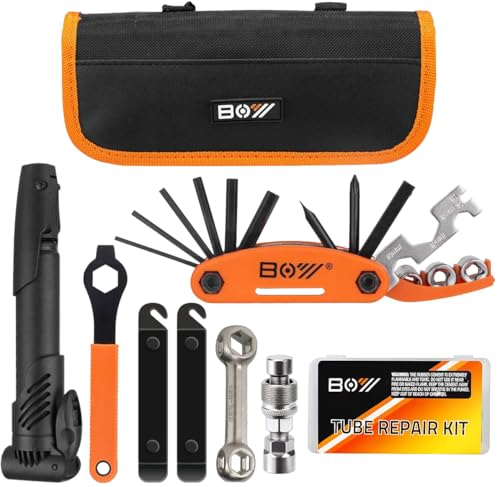
- Stock a flat kit, then carry 1 tube, 2 CO2, 1 inflator, 1 lever, 1 multitool, 1 tire boot on the bike.
- Label bags and bottles with name and bib, then stage one bottle on the bike, one in transition for local heat.
- Lay out race kit, then pin or stick the bib for the run if the race uses a bib belt or safety pins per rules.
- Inspect the bike, then spin wheels, squeeze brakes, shift across the cassette, and align the front brake after racking.
| Checkpoint | Timing | Source | Key numbers |
|---|---|---|---|
| Water temperature | Race morning | USA Triathlon Competitive Rules | Wetsuit legal at 78.0°F and below, optional at 78.1–83.9°F not eligible for awards, illegal at 84.0°F and above |
| Heat index | 24 hours, race morning | NOAA NWS Heat Safety | High risk above 90°F heat index, plan extra fluids and pacing |
| Wind speed | 24 hours, race morning | NOAA NWS | Gusts above 15 mph change handling and disc wheel choice |
Sources: USA Triathlon Competitive Rules, NOAA National Weather Service Heat Safety and local forecasts.
Communication And Contingency Plans
- Share my race timeline, then include arrival, packet pickup, transition close, wave start, expected splits, finish window with my support crew.
- Set two meeting points, then use one inside the venue and one outside the venue if cell service drops.
- Save key contacts, then add race director email, medical number, local bike shop, lodging desk in my phone and on a wrist card.
- Screenshot course maps, then mark aid stations, elevation spikes, turnarounds, and local landmarks for family tracking.
- Plan transport backups, then list two parking lots, one dropoff spot, one bike route to the venue if roads close.
- Draft A, B, C race plans, then adjust for heat, cold, wind, chop, heavy rain with pacing, nutrition, and gear swaps.
- Rehearse swim alternates, then know the duathlon start format if the race flips to run–bike–run per event modifications. [USA Triathlon]
- Define mechanical responses, then ride if safe after a minor flat, stop for brake rub, retire for major crashes.
- Log medical info, then carry allergies, meds, emergency contact on my wrist or bib for first responders.
- Align on cancellation signals, then follow PA announcements, text alerts, air horn sequences, and NWS lightning guidance. [NOAA NWS]
Conclusion
If you feel fired up to race close to home I’m right there with you. Local starts keep the joy high and the stress low. You’ve got a clear path to spot the right events and shape a season that fits real life.
Pick one race this week and put it on your calendar. Share your plan with a friend or a club. Then train with purpose and stay curious. I’ll keep testing tools and routes and I’d love to hear what you find. See you on the start line.


