
Race day is finally here and excitement is building. After all the training and preparation, you want everything to go smoothly. Packing the right gear can make all the difference between a stressful morning and a confident start.

I’ve learned that having a solid packing list is a lifesaver. It keeps me focused and ensures I don’t forget any essentials. Whether you’re a first-timer or a seasoned triathlete, having your gear organized helps you stay calm and ready to tackle the swim, bike, and run.
Essential Items for Triathlon Race Day
Having the right gear on race day makes all the difference. I pack every essential carefully to stay focused and perform at my best during the swim, bike, and run.
Swim Gear
I start with a well-fitted wetsuit designed for open water. It provides buoyancy and warmth while reducing drag. My race day bag always includes a swim cap, usually provided by the event, and my own backup in case of loss. Goggles are critical; I carry one pair tinted for bright conditions and another clear for overcast weather. I never forget a towel to dry off quickly after the swim and a plastic bag to store wet gear. Anti-fog spray helps maintain visibility throughout the swim segment.
Bike Equipment
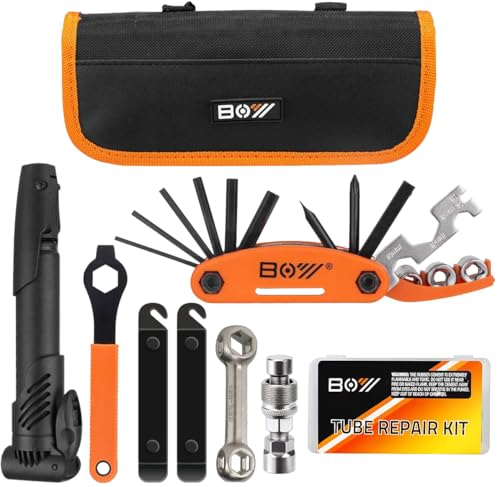
My triathlon bike gets a thorough check the day before, but on race morning, I pack a helmet that meets safety standards and fits snugly. Cycling shoes clipped into the pedals save seconds during transitions. I bring spare tubes, tire levers, and a mini pump or CO2 inflator to handle flats. Sunglasses protect my eyes from sun and debris. I always prepare nutrition like energy gels or bars, and hydration strapped to my bike or in a hydration pack supports endurance. A bike tool multi-tool comes along just in case.
Running Essentials
For the run, my lightweight running shoes go into the pack, broken in but still fresh. Socks designed for running prevent blisters and wick moisture. A race belt holds my bib number on my waist for easy access and visibility. A cap or visor shields my face from the sun. I include electrolyte supplements or salt tablets to maintain balance during hot conditions. Running sunglasses and sunscreen are must-haves for protection. Finally, my stopwatch or GPS watch tracks pace and progress as I finish strong.
Nutrition and Hydration
Fueling and hydrating properly on race day impacts performance more than any other factor. I pack nutrition and hydration carefully to maintain energy, focus, and endurance throughout the swim, bike, and run.
Pre-Race Fuel
I eat a balanced meal 2 to 3 hours before the race start to top off glycogen stores without upsetting my stomach. I focus on easily digestible carbs like oatmeal, a banana, or toast with honey. I avoid high-fat or high-fiber foods that slow digestion. I drink 16 to 24 ounces of water or a sports drink to hydrate fully without feeling bloated. If the race starts early, I bring a small energy gel or bar to consume 30 minutes prior for an extra boost.
During Race Snacks and Drinks
I carry easily digestible, high-carb snacks such as energy gels, chews, or bars during the bike and run legs. I consume approximately 30 to 60 grams of carbohydrates per hour to maintain blood sugar and delay fatigue. Hydration includes water and electrolyte drinks to replace lost fluids and minerals, especially sodium and potassium. I plan bottle refills and use race aid stations to avoid carrying excess weight. Developing a nutrition strategy during training helps me avoid stomach issues and keeps me powered from start to finish.




Clothing and Accessories
Selecting the right clothing and accessories for race day plays a crucial role in comfort and performance. Each piece must support the swim, bike, and run stages while adapting to the weather and race conditions.
Weather-Appropriate Clothing
Prioritize fabric choices that regulate temperature and wick moisture efficiently. For cooler days, full-length tri suits or layered cycling jackets help maintain warmth without sacrificing mobility. On hot days, lightweight, breathable suits with ventilation panels prevent overheating. I always pack a waterproof, packable jacket if the forecast suggests rain. Arm warmers and leg sleeves offer versatile solutions that I can remove or add as temperature changes during the race. Consider the altitude and wind exposure of the course; both factors affect clothing needs. Using UV-protective gear like long-sleeve tops or caps shields skin without overheating in intense sun.
Safety Gear and Electronics
A snug, aerodynamic helmet meeting UCI or local race standards is non-negotiable for safety and speed. Investing in a helmet light or reflective stickers enhances visibility during early or late race hours. For electronics, I rely on a GPS watch for pace and distance tracking, paired with heart rate monitoring to stay within target zones. Wireless earbuds can boost focus during the run if permitted by race rules, though I test them thoroughly during training. Don’t forget anti-chafe balm for gear contact points and silicone earplugs to keep water out during the swim. Lastly, a minimalist, adjustable race belt holds your bib securely without chafing or bouncing throughout the event.
Tips for Efficient Packing
Efficient packing saves time and reduces race-day stress. I focus on organization and checklist strategies to make sure nothing gets left behind.
Organizing Gear
I separate gear by race segments: swim, bike, run. Each segment’s essentials go into labeled bags or compartments. For example, goggles, swim cap, and wetsuit all stay together with a towel. I arrange bike tools, helmet, shoes, and nutrition in another bag. Running shoes, socks, race belt, and sunscreen get their own space. This method simplifies transition setup and speeds gear checks. Packing items in the order I’ll use them helps me find everything quickly during the race.
Packing Checklist Strategy
I maintain a detailed, reusable checklist tailored to each race’s specific conditions. This checklist includes all gear, clothing, nutrition, and electronics. I review and update it weeks before race day to account for weather or course changes. On packing day, I systematically check off each item as it goes into my bags. I keep a backup list on my phone for last-minute reviews. Creating a pre-race ritual around the checklist helps me approach race day with confidence and a clear mind.
Conclusion
Having everything packed and ready lets me focus on the race instead of worrying about what I might have forgotten. It’s amazing how much peace of mind a well-organized bag can bring on race day.
No matter your experience level, taking the time to prepare thoughtfully helps me stay calm and confident from start to finish. When I’m ready with the right gear and nutrition, I can fully enjoy the challenge and excitement of the triathlon.
So, pack smart, trust your prep, and get out there to have a great race!


