Taking on a triathlon during the colder months might seem intimidating, but I’ve discovered it can be incredibly fulfilling. There’s a unique sense of accomplishment that comes from training when most are huddled indoors. Facing the chill head-on not only strengthens your physical endurance but also builds mental toughness vital for race day.

Navigating cold weather training requires a few adjustments, but the benefits are worth the effort. From layering up appropriately to tweaking your workout schedule, I’ve found strategies that keep me motivated and performing at my best. Embracing the elements can transform your training experience, setting you up for success no matter the season.
Importance of Cold Weather Training
Training in cold weather significantly enhances physical endurance. When temperatures drop, the body adapts by improving circulation and increasing metabolic efficiency. This adaptation allows for sustained performance during triathlons.
Building mental toughness is another key benefit. Consistently training in challenging conditions strengthens resilience and focus. Athletes become better equipped to handle stressful race environments and unexpected weather changes.
Cold weather training also prepares athletes for competitions held in various climates. By experiencing different temperatures during training, triathletes develop the flexibility to adjust their strategies as needed. This adaptability can lead to improved race outcomes.
Furthermore, exercising in the cold can boost immune function. Regular exposure to lower temperatures may help the body defend against common illnesses, reducing downtime and maintaining consistent training schedules.
| Benefit | Description |
|---|---|
| Enhanced Endurance | Improves circulation and metabolic efficiency in low temperatures |
| Mental Toughness | Strengthens resilience and focus through consistent training challenges |
| Competition Preparedness | Develops adaptability for varying race climates |
| Immune Support | Boosts the body’s defenses against common illnesses |
Embracing cold weather training contributes to overall triathlon success by fostering both physical and mental strengths.
Essential Gear for Cold Weather Triathletes
Preparing for cold weather triathlons requires the right equipment to ensure comfort and performance. Here’s what I rely on to stay warm and efficient during training.
Clothing Layers
Layering is crucial to manage body temperature and moisture. I use three primary layers:



- Base Layer: Moisture-wicking fabrics like merino wool or synthetic materials keep sweat away from my skin.
- Insulation Layer: Fleece or lightweight down jackets provide warmth without bulk.
- Outer Layer: Windproof and water-resistant jackets protect against the elements, allowing for unrestricted movement.
Choosing the right layers helps me regulate my body temperature effectively during varying conditions.
Accessories
Accessories enhance protection and performance in cold environments. Essential items I include are:
- Gloves: Thin, breathable gloves for running and thicker ones for cycling keep my hands warm without sacrificing dexterity.
- Headwear: A thermal cap or beanie prevents heat loss from my head during all three disciplines.
- Socks: Thermal or insulated socks reduce the risk of cold-related foot issues.
- Eyewear: Clear or lightly tinted glasses shield my eyes from wind and low-light conditions.
- Neck Gaiter: A versatile neck gaiter offers additional warmth and protection against chilly winds.
These accessories ensure I stay comfortable and focused throughout my cold weather training sessions.
Training Strategies
Cold weather triathlon training demands tailored approaches for each discipline. Implementing effective strategies enhances performance and maintains consistency.
Swimming Techniques
- Use a Wetsuit: Increase buoyancy and retain body heat during open water swims.
- Warm-Up Properly: Perform dynamic stretches and light swimming to elevate body temperature before entering cold water.
- Shorten Sessions: Reduce swim duration to prevent excessive cooling, focusing on quality over quantity.
- Monitor Conditions: Check water temperature and weather forecasts to adjust training intensity accordingly.
Cycling Tips
- Layer Clothing: Wear moisture-wicking base layers, insulating mid-layers, and windproof outer layers to stay warm.
- Use Tire Lubricants: Apply appropriate lubricants to prevent tire freezing and ensure smooth rides.
- Adjust Bike Position: Modify handlebar and saddle positions to minimize exposure to cold winds.
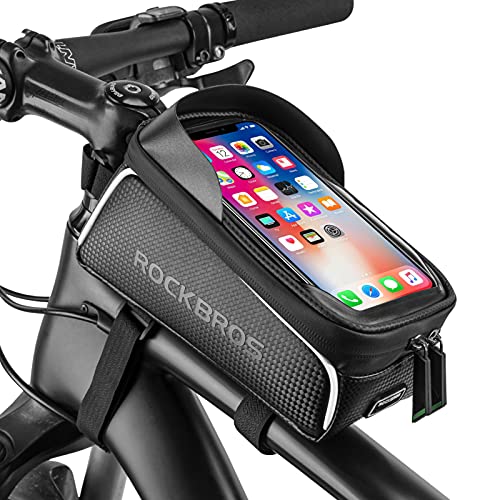
- Increase Visibility: Equip your bike with lights and reflective gear to enhance safety in low-light conditions.
Running Approaches
- Dress in Layers: Combine thermal base layers with breathable outerwear to regulate body temperature during runs.
- Warm Up Indoors: Perform indoor exercises like jumping jacks or leg swings to prepare muscles before heading outside.
- Protect Extremities: Wear gloves, thermal socks, and headbands to safeguard against frostbite and maintain comfort.
- Shorten Route Lengths: Opt for shorter, high-intensity runs to reduce time exposed to cold temperatures.
Nutrition and Hydration
Maintaining proper nutrition is crucial when training for a triathlon in cold weather. I ensure my diet includes sufficient calories to compensate for the extra energy my body uses to stay warm. Incorporating complex carbohydrates like oatmeal and whole grains provides sustained energy during long training sessions. Protein sources such as lean meats, beans, and nuts aid in muscle recovery and repair.
Hydration remains a key focus, even when it’s cold. I drink water regularly, aiming for at least 2 liters each day. Warm beverages like herbal tea can help maintain my body temperature while keeping me hydrated. During training, I carry an insulated water bottle to prevent my drinks from freezing and consume small amounts frequently to stay hydrated without feeling bloated.
Electrolytes are also important, especially after intense workouts. I include electrolyte-rich drinks or snacks, such as sports drinks or banana slices, to replenish lost minerals. Additionally, I monitor my salt intake to maintain electrolyte balance without overconsuming sodium.
Before training, I eat a balanced meal 2-3 hours prior, including carbohydrates and protein to fuel my workout. A light snack, like a banana or energy bar, about 30 minutes before training helps maintain energy levels. After training, I focus on a combination of proteins and carbohydrates to support recovery, such as a smoothie with protein powder and fruit or a turkey sandwich on whole-grain bread.
By adjusting my nutrition and hydration strategies for cold weather, I optimize my performance and support my body’s needs during demanding training sessions.
Safety Measures
Ensuring safety during cold weather triathlon training involves several key practices. First, dress in appropriate layers to maintain body temperature. I use a moisture-wicking base layer, an insulating middle layer, and a windproof outer layer. Additionally, I wear thermal gloves, a hat, and neck gaiters to protect extremities from frostbite.
« Transition Training: Cutting Seconds Off T1 and T2 for Improved Performance
How to Train for Your First Triathlon in 12 Weeks: Ultimate Beginner’s Guide »
Visibility is crucial in low-light conditions. I equip my bike with front and rear lights and wear reflective gear to stay seen by others. Before each session, I check the weather forecast to avoid training during severe conditions like heavy snow or icy winds. Monitoring weather updates helps me adjust my plans accordingly.
Proper warm-up routines prevent injuries. I start with dynamic stretches indoors to increase blood flow and prepare my muscles for exercise. Gradually transitioning to outdoor activities reduces the risk of strains and sprains.
Staying hydrated is essential, even in cold weather. I carry insulated water bottles to prevent freezing and take regular sips to maintain hydration levels. Consuming warm beverages before and after training aids in maintaining core temperature.
Recognizing the signs of hypothermia and frostbite ensures prompt action if needed. I stay alert for symptoms like excessive shivering, numbness, or pale skin. If I experience any of these signs, I stop training immediately and seek shelter.
Having an emergency plan adds an extra layer of safety. I inform a friend or family member of my training route and expected return time. Carrying a fully charged phone and basic first aid supplies provides preparedness for unexpected situations.
By following these safety measures, I train effectively and securely in cold weather, minimizing risks and enhancing my overall triathlon performance.
Conclusion
Training in the cold has truly transformed my approach to triathlons. Facing those chilly mornings has strengthened both my body and mind. With the right gear and strategies the cold becomes less of a hurdle and more of an opportunity. I encourage fellow triathletes to embrace the elements and discover the unique rewards that cold weather training offers. Stay safe and enjoy the journey toward your next race.