
Starting your first triathlon is exciting and a bit nerve-wracking. There’s so much to think about from gear to nutrition to timing. I remember feeling overwhelmed before my first race, wishing I had a simple checklist to keep me on track.

That’s why I put together this triathlon race day checklist just for beginners. It covers all the essentials you’ll need to feel confident and prepared on race day. With the right planning, you can focus on enjoying the experience instead of stressing over what you might have forgotten.
Preparing for Race Day
Getting ready for race day takes more than just training. I focus on organizing gear, nutrition, and mindset to ensure peak performance and enjoyment.
Essential Gear and Equipment
I pack my transition bag the night before to avoid last-minute stress. Essential items include:
- Wetsuit and swim goggles for open water swims. Check the fit for comfort and no leaks.
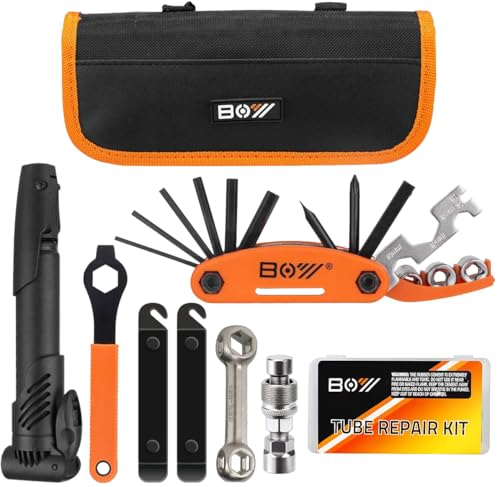
- Bike, helmet, and cycling shoes inspected for mechanical issues. I carry a pump, spare tube, and tire levers in case of flats.
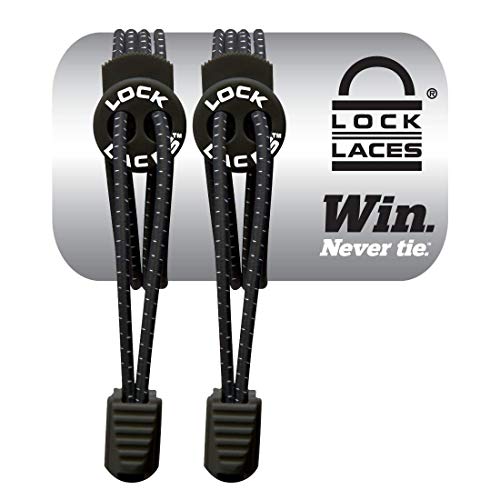
- Running shoes and race belt secured and ready. I double knot my laces to avoid loosening during the run.
- Race bib and timing chip positioned correctly and easily accessible.
- Sunscreen and sunglasses to protect from sun exposure on longer courses.
- Nutrition supplies such as energy gels or bars, pre-cut and packed in easy-to-reach spots.
Arriving early helps me set up my transition area calmly, avoiding rushed errors that can cost time and mental energy.
Nutrition and Hydration Tips
I stick to familiar foods and fluids leading up to the race to prevent digestive issues. My race day nutrition plan includes:
- Eating a balanced breakfast 2–3 hours before start, rich in carbohydrates and moderate protein.
- Hydrating steadily with water and electrolyte drinks, aiming for about 16–24 ounces in the two hours before the race.
- Consuming small amounts of energy gels or snacks every 30-45 minutes during the bike and run segments, depending on my sweat rate and effort level.
- Avoiding any new foods or supplements to reduce risk of stomach upset.
Consistent practice of this plan in training ensures I know how my body reacts and stays fueled throughout the race.
Mental Preparation Strategies
Confidence on race day is key, so I use mental techniques to stay focused and calm:
- Visualizing the race course and each segment clearly, imagining smooth transitions and strong performances.
- Setting process-oriented goals like maintaining form and pacing, rather than fixating on finish time alone.
- Practicing positive self-talk to overcome nerves, reminding myself of the months of training behind me.
- Developing a race mantra or cue word that I repeat during tough moments to regain composure.
Controlled breathing before the start settles my heart rate and sharpens concentration. Mental readiness creates a solid foundation for executing my physical training successfully.




Detailed Triathlon Race Day Checklist for Beginners
Preparation makes the difference between stress and smooth sailing on race day. I break down the essentials to get you ready from start to finish.
Pre-Race Essentials
Gather all key gear the night before and pack it in your transition bag. Include:
- Race bib and timing chip issued by race organizers
- Wetsuit and swim cap suitable for race conditions
- Bike and helmet checked for tire pressure and brakes
- Running shoes and socks comfortable for your run segment
- Sunglasses and hat for sun protection
- Nutrition supplies like energy gels, bars, or electrolyte drinks
- Race belt to hold your bib during the run
- Body glide or anti-chafing balm to prevent skin irritation
- Important documents such as ID, medical info, and insurance cards
Set an alarm early if the start time is before daylight. Lay out your clothes so you’re not scrambling in the morning. Confirm your transition area location and familiarize yourself with the race course to avoid surprises.
During the Race: What to Keep Handy
Keep your essentials streamlined for quick access during the event. I recommend:
- Hydration bottle on your bike filled with your preferred electrolyte drink
- Energy gels or chews carried in pockets or mounted on your bike frame
- Sunglasses to shield your eyes from wind and sun exposure
- Towel or sponge at transition spots for quick refresh
Have a designated spot in the transition area for each item. Practice your transitions in training to make gear changes efficient. Keep your focus sharp by sticking to your nutrition and hydration plan; top competitors follow them strictly to maintain performance.
Post-Race Must-Haves
Recovery starts immediately after crossing the finish line. Pack:
- Change of clothes to stay warm and dry
- Recovery snacks or shakes rich in protein and carbohydrates
- Water bottle for rehydration
- Foam roller or massage stick for muscle relief
- First aid items like band-aids or ice packs
- Phone and charger to capture memories and stay connected
Give yourself time to cool down and stretch after the race. I always remind my athletes that preparation doesn’t stop when the race ends. Proper post-race care prevents injury and sets the stage for the next event.
Tips for Smooth Transitions
Efficient transitions save valuable time and reduce stress during your triathlon. Mastering transition skills ensures you stay focused and maintain momentum throughout the race.
Setting Up Transition Area
I lay out my gear methodically, grouping items by discipline: swim, bike, and run. For example, I place my goggles and cap near the swim start, bike shoes clipped and aligned beside the bike, and running shoes and hat ready for the final leg. Using a towel or mat defines my space and keeps gear organized. Labeling or color-coding equipment helps locate items quickly under pressure. Stashing nutrition and hydration in reachable spots near the bike saves seconds. I always double-check that my helmet is unbuckled and facing the right direction, and shoes are positioned to slip into easily.
Managing Time Efficiently
Race pace begins with transitions, so practicing rapid gear changes is key. I rehearse putting on and taking off equipment to reduce fumbling. For instance, I swim with my goggles but remove my wetsuit swiftly in transition, then slip into bike shoes secured with Velcro straps rather than laces when possible. Setting a watch or timer lets me monitor segment times, helping to target smoother transitions. Arriving early to race registration and transition setup avoids last-minute chaos. I break transition into stages—swim exit, suit removal, helmet on, bike grab—so each action flows naturally into the next. Efficient transitions reduce overall race time and build confidence race day.
Common Mistakes to Avoid on Race Day
« Airport Tips for Triathlon Gear Travel: How to Protect Your Equipment and Breeze Through Security
How to Prepare for Your First Triathlon: A Simple Guide to Confident Race Day Success »
Starting with timing errors often causes unnecessary stress. Waking up late or rushing the morning routine disrupts focus and eats into warm-up time. I recommend setting multiple alarms and preparing everything the night before to eliminate last-minute scrambles.
Skipping equipment checks leads to avoidable problems. Forgetting essential gear, such as your race bib, bike helmet, or running shoes, sets a bad tone early. I make a final gear check the evening before, using my checklist to double-check each item.
Neglecting nutrition undermines energy levels. Consuming unfamiliar foods or skipping meals causes digestive issues or fatigue. I stick to tested foods and hydration plans I use during training to maintain steady energy.
Ignoring race rules results in penalties. Misplacing your transition area setup or failing to rack your bike correctly causes delays or disqualification. I advise thoroughly reviewing race instructions and setting up your transition zone neatly and logically.
Overconfident pacing leads to burnout. Starting too fast in the swim or bike sections depletes reserves for the run. I pace myself conservatively, respecting my training times, and adjusting effort based on race conditions.
Underestimating transition time costs valuable minutes. Rushing transitions without rehearsed sequences causes fumbling or missed gear. I practice transitions repeatedly to make them smooth and second nature.
Forgetting mental preparation impacts focus. Allowing nervousness to overtake confidence affects performance. I use visualization and positive self-talk to stay calm and focused throughout.
Ignoring post-race recovery prolongs soreness and injury risk. Dressing quickly in dry clothes and refueling promptly aid recovery. I pack recovery essentials to promote healing and prepare for the next race.
Conclusion
Getting ready for your first triathlon can feel like a lot, but having a solid plan makes all the difference. When you check off each item and prepare your mind, you free yourself up to enjoy every moment of the race.
Remember, it’s not just about crossing the finish line—it’s about celebrating the effort and growth that got you there. Trust your training, stay calm, and embrace the experience. You’ve got this!


