
Race day for an Ironman is one of the most exciting and challenging experiences you’ll ever face. After months of training it’s finally time to put all that hard work to the test. But without a solid plan you might feel overwhelmed or miss crucial steps that can make a big difference.

I’ve been there and learned that having a clear step-by-step race day plan takes the guesswork out of the day. It helps you stay calm focused and ready for whatever comes your way. In this article I’ll walk you through a practical race day plan so you can approach your Ironman with confidence and enjoy every moment of the journey.
Preparing for Ironman Race Day
Preparing for race day sets the foundation for success in any Ironman. The final days require focus on training, nutrition, and gear to ensure peak performance.
Final Training Tips
I taper mileage and reduce training intensity during the final week to let my body recover fully. I avoid trying new workouts or pushing limits to prevent injury or fatigue. I prioritize quality sleep each night, aiming for at least 7-8 hours to promote recovery. Light stretching and short, easy swims or spins help maintain flexibility and muscle readiness without causing strain.
Nutrition and Hydration Strategies
I stick to familiar foods and fluid sources from training to avoid stomach issues. Carbohydrate loading begins 2-3 days before race day, focusing on whole grains, fruits, and easily digestible carbs. During the race, I consume a mix of electrolytes and carbohydrates through sports drinks, gels, and bars at regular intervals to maintain energy and hydration. I monitor thirst cues but avoid overhydrating to prevent hyponatremia. Practicing this strategy during training ensures it works well on race day.
Gear Check and Packing List
I lay out all race essentials the night before, checking swim goggles, wetsuit, bike, helmet, shoes, socks, race belt, nutrition, and tools for quick fixes. I pack duplicates of critical items like goggles and nutrition in case of loss or damage. I confirm bike tires are inflated and mechanical components are tuned. I prepare clothing considering weather forecasts and organize transition bags for smooth changes. A final checklist helps me avoid leaving anything behind.
Morning Routine on Race Day
Race day morning sets the tone for everything that follows. A consistent routine helps my athletes and me stay focused, calm, and energized from the moment we wake up.
Pre-Race Breakfast Ideas
I eat a breakfast rich in easily digestible carbohydrates and moderate protein about 2 to 3 hours before the race start. Options like oatmeal with banana, toast with peanut butter, or a rice bowl with a small amount of lean chicken provide steady energy. I avoid high-fiber or fatty foods to prevent stomach discomfort. Hydrating with water and an electrolyte drink rounds out my meal. Experimenting with breakfast choices during training ensures no surprises on race day.
Warm-Up and Stretching
I begin with light aerobic movement, such as a 10-minute jog or bike spin, to increase blood flow. Dynamic stretches like leg swings, arm circles, and lunges prepare muscles and joints for racing. Static stretching comes last and only if tightness persists. This routine reduces injury risk and primes my body. I time this about 30 to 45 minutes before the swim start so the body stays loose but not fatigued.




Mental Preparation Techniques
I visualize the race from start to finish, imagining smooth transitions, efficient pacing, and overcoming challenges. Deep breathing exercises calm any race-day nerves. Positive self-talk builds confidence and focus. I set small goals within the race, such as maintaining form in the swim or fueling consistently. These mental tools sharpen concentration and resilience, which prove as important as physical readiness.
Swim Segment: Step by Step
The swim segment often sets the tone for the entire Ironman race. I focus on clear strategies to navigate this stage efficiently, conserving energy and setting myself up for success.
Positioning and Start Strategy
Starting strong means finding the right spot. I position myself near swimmers with a similar pace to avoid early congestion. If I’m confident in my speed, I choose a spot slightly forward but avoid the very front to prevent getting boxed in. When the gun goes off, I push off aggressively but stay controlled to maintain a steady rhythm. Drafting behind or alongside a swimmer helps conserve energy. Patience in these first few hundred meters keeps me calm and sets a sustainable pace.
Maintaining Efficient Stroke and Breathing
Efficiency in the water comes from a consistent stroke and controlled breathing. I focus on long, smooth strokes, engaging my core and keeping a steady tempo. Bilateral breathing every three strokes helps balance my stroke and monitor the course. Staying relaxed reduces oxygen consumption and prevents early fatigue. If I feel tension, I shorten my stroke temporarily and reset. Regularly sighting landmarks or buoys keeps me on track without breaking form.
Transition to Bike
Exiting the water efficiently keeps momentum going. I practice quick stands and running through shallow water or on solid ground. My wetsuit peel technique is fast and deliberate to save seconds. Once on dry land, I focus on hydration and a quick nutrition intake if needed. Transition areas can be chaotic, so I memorize the layout and plan my path to the bike. Staying calm and deliberate in T1 positions me physically and mentally for the bike segment ahead.
Bike Segment: Step by Step
The bike segment demands focus, strategy, and smart energy use. I guide athletes through pacing, nutrition, and equipment to turn this long stretch into a solid foundation for the rest of the race.
Pacing and Energy Management
I recommend starting the bike with controlled effort, aiming for about 70-75% of your max power output or perceived exertion early on. I base this on the need to preserve muscles for the marathon ahead while avoiding burnout. I track heart rate zones or power meter readings to keep intensity steady. I encourage steady cadence, usually between 80-95 revolutions per minute, to maintain efficiency. I remind athletes to listen to their bodies; surging might be tempting on flats or descents, but I warn that early spikes often result in fatigue later.
Nutrition and Hydration During the Ride
I emphasize consistent fueling every 15 to 20 minutes and hydration every 10 to 15 minutes during the bike segment. I advise consuming a mix of 60-90 grams of carbohydrates per hour using gels, bars, or sports drinks. I mix electrolytes in hydration fluids to replace sodium, potassium, and magnesium lost through sweat. I plan to avoid experimentation on race day — familiar products and routines reduce stomach issues and maintain energy. I also suggest carrying backup nutrition in case planned stops or bottle refills aren’t available.
Handling Transitions and Equipment Checks
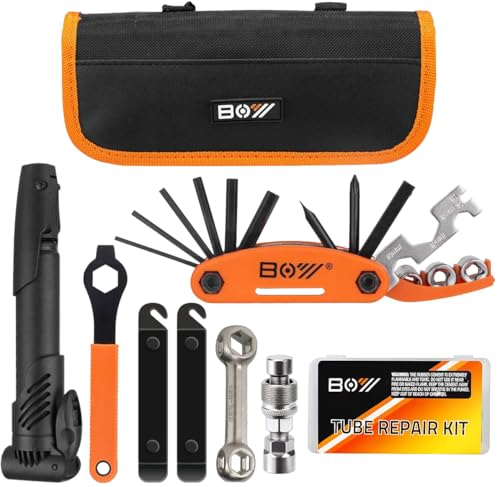
I prepare for the bike-to-run transition by testing gear beforehand, ensuring bike shoes, helmet, and sunglasses fit comfortably and transition layouts are memorized. I perform quick equipment checks during the ride, inspecting tire pressure and brakes without losing focus or speed. I recommend practicing the dismount to transition zone smoothly, avoiding lost seconds. I keep a compact toolkit and spare tube in case of flats and know exactly when to take these out if needed without stress. Solid preparation here helps maintain momentum as the race moves toward the marathon.
Run Segment: Step by Step
The run segment demands careful pacing, mental strength, and smart energy management. I’ll walk you through key steps to maximize your performance and finish strong.
Finding Your Pace
« Race Day Sock Tricks for Speed: Boost Your Performance with Simple Sock Hacks
Master Mental Visualization Tips for Race Day to Boost Focus and Crush Your Race »
Start the run with a controlled pace, targeting about 70-75% of your maximum effort. Avoid the urge to sprint out of transition, since your legs need time to adjust after the bike. Focus on consistent cadence and breathing rhythm. If your race plan includes walk breaks, schedule them early to maintain energy later. Use your GPS watch to monitor pace but avoid obsessing over every split; trust your training to guide you.
Managing Fatigue and Staying Motivated
Expect fatigue to set in between miles 8 and 15. When that happens, switch your mental focus to short-term goals like reaching the next aid station or passing a fellow athlete. Hydrate and fuel proactively every 3-4 miles with carbohydrates and electrolytes to prevent energy dips. Employ positive self-talk and mental cues developed in training to push through tough moments. Surround yourself with the race-day atmosphere; the cheers and camaraderie can reignite motivation.
Final Stretch and Finish Line Approach
In the last 3 miles, assess your energy and gradually increase your pace if you feel strong. Keep form efficient — shoulders relaxed and strides steady. Visualize crossing the finish line while maintaining focus on the path immediately ahead to avoid tripping or missteps. As you approach the finish chute, soak in the excitement and allow yourself to smile. This final push crowns months of preparation and grit. Remember, every step forward brings you closer to the finish, and crossing that line is a triumph in itself.
Post-Race Recovery
Recovery after an Ironman matters as much as preparation. It sets the foundation for your next training cycle and keeps your body and mind ready for future challenges.
Immediate Recovery Tips
Start recovery by gently moving after crossing the finish line to avoid stiffness. Walk for 5 to 10 minutes, allowing circulation to flush out lactic acid. Hydrate immediately with a mix of water and electrolytes to replace what you’ve lost. Catch the post-race nutrition snack or meal within 30 minutes, focusing on a balance of carbohydrates and protein to kickstart muscle repair. Change out of wet clothes quickly to regulate body temperature and reduce the risk of chills.
Nutrition and Rest
Focus on replenishing glycogen stores in the 24 hours after the race by eating carbohydrate-rich meals like rice, pasta, or quinoa paired with lean protein sources such as chicken or fish. Include antioxidant-rich fruits and vegetables to help reduce inflammation. Prioritize sleep during this phase because it enhances muscle repair and hormonal balance. Schedule light, active recovery sessions starting 48 hours post-race, but allow your body’s fatigue levels to guide your activity.
Reflecting on Your Performance
Set aside time within a day or two after the race to review your performance objectively. Analyze what went well and identify areas for improvement across swim, bike, and run segments. Keep notes on pacing, nutrition during the race, mental strategies, and overall race execution. Use this reflection to adjust your training plan and build smarter race strategies for your next event. Remember, every Ironman finishes a journey and begins a new chapter in your triathlon career.
Conclusion
Having a clear race day plan gave me the confidence to face the Ironman with calm and focus. It’s not just about physical readiness but also about managing every moment thoughtfully—from the first swim stroke to crossing the finish line.
Trusting your preparation and staying present during the race makes all the difference. Every step, sip, and pedal stroke adds up to an incredible experience you’ll carry with you long after the race day is over.


