I’ve dreamed of standing on the start line at the Ironman World Championships since my first long ride. Qualifying feels massive yet it’s not magic. It’s a clear plan plus smart choices plus relentless consistency. If you want a Kona or Nice slot I’ll show you the path I used and what I learned the hard way.

I’ll break down how to pick the right qualifier how to understand slot allocation and roll downs and how to pace a race that earns a slot. We’ll cover training that actually moves the needle fueling that holds under pressure and tactics that keep you out of the penalty tent. You’ll see how to build a season that targets peak form on the right day and how to manage the mindset that carries you to the finish chute with a ticket in hand.
Understanding The Qualification Pathways
I map the qualify routes for the Ironman World Championship across age group, pro, and special programs. I keep the process simple, then I match the right pathway to my season plan.
Age-Group Slot Allocation And Roll-Down
I treat slot math as race strategy. I study the slot pool for each qualifier first, constraints vary by race size and regional demand.
- Target races with higher slot pools, examples include North American Championship events and European Championship events
- Study historical roll downs, examples include late season races and destination races
- Track age group depth, examples include M35-39 and F30-34
- Compare course profiles to my strengths, examples include hilly bike courses and hot run courses
- Confirm slot claim steps on site, examples include photo ID and payment card
I use official allocation rules to predict distribution. Each race assigns base slots across age groups, any unassigned slots reallocate to the largest groups, roll downs pass to the next finisher if a slot gets declined. IRONMAN publishes the policy in event guides and the slot allocation page. Source: IRONMAN World Championship Slot Allocation, ironman.com, 2024.
I plan with recent numbers from race pages first, constraints change across seasons.
| Race example | Est total age‑group slots | Typical base per AG | Notes |
|---|---|---|---|
| Regional Championship | 60–80 | 1–2 | Larger fields, deeper roll downs |
| Standard IRONMAN | 20–40 | 1 | Smaller fields, faster front packs |
| New or debut race | 20–30 | 1 | Variable participation |
I claim on site after awards, slots don’t carry over. Source: IRONMAN Athlete Guide, event specific, 2024.
Pro Qualification And Elite Standards
I coach pros to hit clear standards. I align racing with the pro series points and dedicated qualifier slots.
- Secure a current IRONMAN Pro Membership, examples include registration status and anti‑doping compliance
- Target designated pro fields, examples include IRONMAN Texas and IRONMAN Florida
- Score ranking points across series events, examples include podium finishes and top‑10 finishes
- Balance training load to peak for key qualifiers, examples include 12–16 week build and 2–3 race block
- Verify World Championship pro criteria before race week, examples include slot count and validation rules
IRONMAN outlines pro eligibility, points, and slots on the Pro Membership and Pro Series pages. Source: IRONMAN Pro Membership and IRONMAN Pro Series, ironman.com, 2024.




Legacy And Community Programs
I guide long‑term athletes through alternative pathways. I match commitment with programs that reward consistency and service.
- Complete a multi‑year Legacy track, examples include 12+ IRONMAN finishes and active registration history
- Enter community‑allocated slots, examples include IRONMAN Foundation entries and charity fundraisers
- Monitor regional initiatives, examples include Women For Tri and community lotteries
- Document finish records and submissions, examples include verified results and payment receipts
IRONMAN details Legacy and community routes on the IRONMAN Foundation and Legacy Program pages. Slots remain limited and criteria stay strict. Source: IRONMAN Foundation and Legacy Program, ironman.com, 2024.
Validation And Eligibility Rules
I confirm eligibility before I taper. I lock the admin steps so the slot stands.
- Maintain current triathlon license where required, examples include national federation card and photo ID
- Comply with anti‑doping rules, examples include WADA code and USADA testing
- Validate the slot if a validation race applies, examples include completing an IRONMAN or IRONMAN 70.3 within a set window
- Meet age on race day standards, examples include racing in the correct age group and matching passport data
- Attend slot allocation in person unless stated, examples include published exceptions and race director notices
IRONMAN posts validation windows, anti‑doping policies, and age group rules in each event’s Athlete Guide and on the World Championship qualification pages. Sources: IRONMAN Athlete Guide and World Championship Qualification, ironman.com, 2024.
Choosing Your Qualifying Race
I match the race to my strengths, then I map the logistics to protect race-day execution. I target courses, slots, and dates that raise my odds, not my stress.
Course Profiles And Weather Considerations
I align the course profile with my physiological bias, then I manage weather risk with data.
- Match terrain: Pick flat, fast courses for high absolute power on steady efforts, for example IRONMAN Florida and IRONMAN Texas. Pick rolling or hilly courses for strong climbers and descenders, for example IRONMAN Lake Placid and IRONMAN Coeur d’Alene.
- Study elevation: Compare total bike gain and sustained gradients, then weigh aero stability in winds.
- Track climate: Check air temp, humidity, wind, and water temp for the race month using historical normals, then plan pacing and fueling to suit heat or cold.
- Plan equipment: Select gearing, tires, and hydration setups for the course surface and forecast, then test the full system in race-like sessions.
| Race (North America) | Bike Elevation Gain | Typical Race Month | Avg Air Temp Range | Typical Wind | Water Temp Range |
|---|---|---|---|---|---|
| IRONMAN Florida, Panama City Beach | ~1,000 ft | November | 52–70°F | Moderate coastal | 68–72°F |
| IRONMAN Texas, The Woodlands | ~1,800 ft | April | 60–80°F | Light to moderate | 72–76°F |
| IRONMAN Lake Placid, NY | ~7,000 ft | July | 55–78°F | Light to moderate | 68–73°F |
| IRONMAN Coeur d’Alene, ID | ~4,700 ft | June | 50–75°F | Light to moderate | 60–65°F |
Sources: IRONMAN event pages for course profiles and historical conditions, National Weather Service climate normals for local stations, World Triathlon Corporation race guides.
Slot Counts And Field Depth
I chase races with deeper slot pools and manageable age-group parity, then I validate with past result distributions.
- Check allocation: Confirm base age‑group slots on the event page, then note that IRONMAN assigns at least 1 per age group and distributes the remainder proportionally to starters per policy. Source: IRONMAN Slot Allocation Policy, ironman.com.
- Review roll downs: Scan prior roll-down reports and local race reports for your age group, then estimate realistic slot cutoffs.
- Analyze depth: Pull top‑5 and top‑10 age‑group times from the official results archive, then compare to your recent certified splits and training benchmarks. Sources: IRONMAN Results, sportstats.world.
- Gauge participation: Track projected starters by age group close to race week, then adjust expectations for proportionally allocated slots.
Calendar Timing And Recovery Windows
I structure the season to peak for one qualifier, then I protect recovery blocks between key races.
- Map macrocycle: Place the A‑race 20–24 weeks into the build for Ironman, then backfill training blocks and tune-up events around it. Source: ACSM guidelines on endurance training progression.
- Space Ironman races: Leave 8–12 weeks between full-distance races for neuromuscular and endocrine recovery, then monitor HRV, resting HR, and submax tests to confirm readiness. Sources: Knechtle et al., European Journal of Sport Science on ultra‑triathlon fatigue, ACSM.
- Insert tune‑ups: Schedule a 70.3 at T‑6 to T‑10 weeks for race rehearsal, then avoid adding more racing if fatigue markers rise.
- Plan travel: Lock flights, lodging, and bike transport 6–12 weeks out to reduce load, then arrive 3–5 days before domestic races and 5–7 days before overseas races to stabilize sleep and hydration.
Sources: American College of Sports Medicine, IRONMAN University coaching materials, IRONMAN event pages and results archives, National Weather Service Climate Data Center.
Performance Targets And Slot Math
« Triathlon Events with Scenic Courses: Top Races, Coaching Tips, and Travel Guide
Best Olympic Triathlons Worldwide: Top Races for Fast Courses, Epic Crowds, and Smooth Logistics »
I set performance targets with slot math, not wishful thinking. I translate course history into splits I can execute.
Historical Age-Group Benchmarks
I benchmark against median qualifying times from official results and aggregated reports from multiple seasons. I cross check using Ironman race pages, Coach Cox Kona qualification analyses, and TriRating race data.
| Age group | Men KQ median finish | Women KQ median finish | Data scope | Sources |
|---|---|---|---|---|
| 25-29 | 8:50–9:20 | 9:50–10:30 | Fast courses, 2022–2024 | IRONMAN Results, CoachCox, TriRating |
| 30-34 | 8:45–9:15 | 9:45–10:25 | Fast courses, 2022–2024 | IRONMAN Results, CoachCox, TriRating |
| 35-39 | 8:50–9:25 | 9:50–10:35 | Fast courses, 2022–2024 | IRONMAN Results, CoachCox, TriRating |
| 40-44 | 9:00–9:35 | 10:05–10:50 | Fast courses, 2022–2024 | IRONMAN Results, CoachCox, TriRating |
| 45-49 | 9:15–9:55 | 10:20–11:05 | Fast courses, 2022–2024 | IRONMAN Results, CoachCox, TriRating |
| 50-54 | 9:35–10:15 | 10:45–11:30 | Fast courses, 2022–2024 | IRONMAN Results, CoachCox, TriRating |
- Note examples include Texas, Hamburg, Copenhagen, Florida.
- Heat, altitude, currents increase these ranges on tough venues.
I quantify slot math before I chase a number. IRONMAN allocates age group slots by proportional starters with one slot per age group first, then remaining slots by largest remainders per the published method.
| Race slots | AG starters M35-39 | AG starters W35-39 | Base slots each | Remaining pool | Final slots est |
|---|---|---|---|---|---|
| 45 | 280 | 80 | 1 | 45 minus total AG count | M35-39 4–6, W35-39 2–3 |
- Source IRONMAN slot allocation guidelines, IRONMAN Athlete Guide pages, CoachCox slot tracker.
Projecting Required Splits
I back solve splits from the benchmark, then I match to course speed.
| Target course | Age group | Target finish | Swim 3.8 km | Bike 180 km | Run 42.2 km | Transitions |
|---|---|---|---|---|---|---|
| Flat cool | M35-39 | 9:10 | 0:52–0:56 | 4:48–4:56 | 3:15–3:22 | 0:06–0:08 |
| Rolling temperate | M35-39 | 9:25 | 0:53–0:58 | 5:00–5:10 | 3:18–3:28 | 0:06–0:08 |
| Flat warm | W35-39 | 10:10 | 0:58–1:02 | 5:10–5:25 | 3:35–3:45 | 0:06–0:08 |
| Hilly hot | W35-39 | 10:35 | 1:00–1:05 | 5:25–5:45 | 3:45–3:58 | 0:06–0:08 |
- I align bike split to power not hope. I target 70–78 percent of FTP for age group qualifiers per TrainingPeaks race intensity norms.
- I aim for normalized power stability. I keep VI under 1.05 on flat, under 1.08 on rolling, per BestBikeSplit modeling guidance.
- I anchor the run pace to proven long run data. I translate open marathon capacity using 6–10 percent slowdown for well paced Ironman runs per World Athletics and TrainingPeaks analyses.
- I cap swim stress. I hold even pacing at CSS plus 2–4 seconds per 100 m in non wetsuit, at CSS pace in wetsuit, based on pool to open water deltas from British Triathlon testing.
Using Data To Set Realistic Goals
- Pull official results, roll down reports, and start lists from IRONMAN, CoachCox, and TriRating.
- Pull weather histories, water temps, and wind roses from NOAA and Meteostat.
- Match your FTP, CSS, and threshold pace to course demands using BestBikeSplit and TrainingPeaks.
- Match your fueling plan to heat index using 60–90 g carbs per hour and 400–800 mg sodium per hour based on ACSM and IOC consensus.
- Model bike speed from CdA, Crr, mass, and power using field tested values from Chung method sessions.
- Model run pace from recent open half marathon and long brick data with fatigue factors captured in HRV and session RPE logs.
- Validate splits with a race rehearsal at 70.3 pace plus 3–5 percent, if conditions are similar.
- Validate nutrition with bottle counts, gel counts, and aid station spacing from the athlete guide.
- Adjust targets down when slot density is thin, if the age group has 1–2 slots only.
- Adjust targets up when historical roll downs go deep, if demand was low in prior years.
- IRONMAN Results and Athlete Guides, ironman.com
- Coach Cox Kona Qualification Statistics, coachcox.co.uk
- TriRating Race Analyses, trirating.com
- TrainingPeaks Ironman Pacing Guidelines, trainingpeaks.com
- ACSM Nutrition and Athletic Performance Joint Position Statement, acsm.org
- BestBikeSplit Modeling Resources, bestbikesplit.com
- NOAA Climate Data, noaa.gov
Training And Preparation Essentials
I align training to the slot math and to the race course. I anchor preparation to data and to repeatable habits.
Periodization And Key Build Phases
I periodize across a 24 to 28 week macrocycle that targets the Ironman World Championship qualifier. I use base then build then peak then taper.
- Map the macrocycle across base for 8 to 10 weeks, build for 8 to 10 weeks, peak for 4 weeks, taper for 10 to 14 days
- Map weekly volume with bike as the anchor, run as the limiter, swim as the prime mover
- Map intensity with a pyramidal split that favors low intensity domain 1 and domain 2 zones
I track intensity distribution with session counts and with power and pace time in zone. I reference polarized and pyramidal endurance models from Seiler 2010 and Stöggl and Sperlich 2015.
I set benchmarks by phase. I use examples like LT1 heart rate drift below 5 percent for 60 minutes, FTP at 3.6 to 4.2 W per kg for men and 3.1 to 3.7 W per kg for women, long run pace within 6 to 8 percent of open marathon pace by peak.
- Stack base key sessions with aerobic endurance, skill drills, short hills
- Stack build key sessions with race specific long rides, brick runs, long steady swims
- Stack peak key sessions with course simulation, aero position testing, race rehearsal
- Stack taper key sessions with sharpening intervals, short bricks, open water starts
I anchor long day structure to the target course. I use examples like 5 to 6 hour ride at 65 to 75 percent FTP with 3 to 4 by 20 minutes at race power, 40 to 60 minute brick at race pace plus 10 seconds per km, 3.5 to 4.5 km swim with 4 by 800 m at race pace.
| Phase | Weeks | Swim hr wk | Bike hr wk | Run hr wk | Total hr wk | Intensity low percent | Intensity mid percent | Intensity high percent |
|---|---|---|---|---|---|---|---|---|
| Base | 8 to 10 | 3 to 4 | 6 to 8 | 3 to 4 | 12 to 16 | 80 | 15 | 5 |
| Build | 8 to 10 | 3 to 5 | 7 to 10 | 3 to 5 | 14 to 18 | 75 | 20 | 5 |
| Peak | 4 | 3 to 4 | 8 to 10 | 3 to 4 | 14 to 18 | 70 | 25 | 5 |
| Taper | 1.5 to 2 | 2 to 3 | 3 to 5 | 2 to 3 | 7 to 10 | 85 | 10 | 5 |
Sources include Seiler 2010, Stöggl and Sperlich 2015, and Mujika 2010 for taper load decay.
Nutrition, Hydration, And Heat Acclimation
I treat fueling as a performance limiter and a slot keeper. I test intake in key long sessions.
- Plan carb intake at 60 to 90 g per hour on the bike, 50 to 80 g per hour on the run, push to 90 to 120 g per hour with glucose plus fructose blends when gut trained
- Plan sodium intake at 400 to 800 mg per hour for temperate races, 800 to 1500 mg per hour for hot races, adjust with sweat sodium testing
- Plan fluid intake at 0.4 to 0.8 L per hour by conditions, confirm with pre to post body mass checks under 2 percent loss
- Plan caffeine at 3 to 6 mg per kg across the day, split doses pre race and mid bike and early run
I practice heat adaptation for hot qualifiers. I load 10 to 14 sessions in 2 to 3 weeks. I use examples like Z2 rides in 30 to 35 C ambient, easy runs in mid day heat, post session sauna for 20 to 30 minutes.
- Execute heat blocks with 60 to 90 minute sessions, keep power in Z2, monitor heart rate, stop if signs of heat illness present
- Execute hydration checks with nude body mass before and after, track urine color, target clear to pale straw
- Execute gut training with full race mix during long bricks, add fructose sources, confirm no GI distress
| Topic | Bike target | Run target | Notes |
|---|---|---|---|
| Carbs g per hour | 60 to 120 | 50 to 90 | Multiple transportable carbs per Jeukendrup 2014 and Burke 2019 |
| Sodium mg per hour | 400 to 1500 | 400 to 1200 | Guided by sweat tests per Hew Butler 2015 |
| Fluid L per hour | 0.4 to 0.8 | 0.4 to 0.8 | Per ACSM 2007 and Cheuvront 2010 |
| Caffeine mg per kg | 3 to 6 | 3 to 6 | Per Spriet 2014 |
Sources include ACSM 2007 hydration position stand, Jeukendrup 2014 carbohydrate intake, Burke 2019 sports nutrition consensus, Périard 2015 heat adaptation, and Hew Butler 2015 sodium guidance.
Strength, Mobility, And Injury Prevention
I build durability so the qualifier stays on the calendar. I target strength and mobility that match triathlon patterns.
- Lift 2 to 3 days per week in base with compound lifts, use examples like deadlift, back squat, split squat, hip thrust
- Lift 1 to 2 days per week in build and peak with maintenance loads, use examples like 2 by 4 reps at 80 percent 1RM, 2 by 6 reps at 70 percent 1RM
- Load calf and Achilles with eccentric work, use examples like heel drops, seated calf raises, pogo hops
- Load trunk with anti rotation and anti extension, use examples like Pallof press, dead bug, front plank
- Mobilize daily for 10 minutes, use examples like hip flexor openers, thoracic rotations, ankle dorsiflexion drills
- Screen with simple tests, use examples like single leg squat, hop test, prone plank, shoulder wall slide
- Progress run resilience with strides and short hill sprints, cap weekly increase at 5 to 8 percent
- Integrate plyometrics once per week, use examples like low box jumps, skips, bounds
Evidence includes Blagrove 2018 for strength and running economy, Lauersen 2018 for injury reduction with strength training, and Barnes 2013 for economy gains with heavy resistance.
Race-Day Execution For Securing A Slot
Race-day execution drives slot outcomes for the Ironman World Championship. I race the plan I trained, then I adapt only when data or conditions demand it.
Pacing Strategy And Bike-Run Balance
Pacing strategy and bike-run balance anchor my slot-focused race plan. I cap surges, then I protect the marathon by riding to a controlled, even power target that reflects course stress, wind, and heat.
- Hold 65 to 72% of FTP on the bike for age-group qualifiers, then run the first 10 km at 95 to 98% of open marathon pace examples, 8:00 to 8:15 per mile for a 3:30 runner (TrainingPeaks guidelines, https://www.trainingpeaks.com/blog/how-to-use-intensity-factor/).
- Cap normalized power at 0.72 IF on flat, at 0.70 IF on hilly, then cap VI at ≤1.05 to limit cost on rollers examples, Texas, Lanzarote, Nice.
- Split the marathon into 3 control blocks, then adjust only at mile 20 examples, 0 to 10 km settle, 10 to 30 km steady, 30 to 42.2 km compete.
- Pace by power on the bike and by pace plus HR on the run, then use HR drift to flag overpacing examples, +5 bpm rise at same pace across 10 km indicates fatigue (Skorski et al., Int J Sports Physiol Perform, https://doi.org/10.1123/ijspp.2014-0184).
- Ride legal at 12 meters, then serve the penalty without dispute if marshaled examples, 5 minutes slot-costing time losses (Ironman Competition Rules, https://www.ironman.com/rules).
Key race-day targets
| Segment | Metric | Target Range | Example For 300 FTP, 155 bpm LT, 3:30 open marathon |
|---|---|---|---|
| Bike flat | IF | 0.70 to 0.72 | 210 to 216 W NP |
| Bike hilly | IF | 0.68 to 0.70 | 204 to 210 W NP |
| Bike climbs | % FTP cap | ≤85% for ≤5 min | ≤255 W |
| Run first 10 km | Pace | 95 to 98% of open | 8:00 to 8:15 per mile |
| Run mid 20 km | HR | LT minus 10 to 15 bpm | 140 to 145 bpm |
| Run last 12.2 km | Effort | Increase by perception only | Maintain cadence 170 to 180 |
Transition Efficiency And Time Gains
Transition efficiency and time gains lock in free seconds that protect the slot on tight days. I script both transitions, then I rehearse steps until they run on autopilot.
- Lay out gear in linear order, then touch each item once examples, helmet, glasses, race belt, shoes.
- Mount with shoes pre-clipped only if mastered, then run past the mount line to clear congestion examples, Mallorca, Florida.
- Remove wetsuit while running to the bag area, then stuff it fully to avoid penalties examples, abandoned equipment rules, Ironman Competition Rules, https://www.ironman.com/rules.
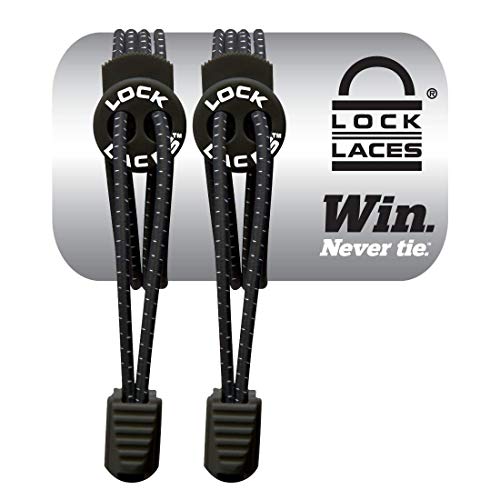
- Use elastic laces and a tri-specific belt, then secure bib for the run examples, no pin fumbling.
- Keep a micro-checklist on the bag, then confirm helmet buckle and chin strap before touching the bike examples, DQ risk avoided.
Time benchmarks
| Transition | Competitive Age-Group Target | Elite Age-Group Target |
|---|---|---|
| T1 swim to bike | 2:30 to 4:00 | 1:45 to 2:15 |
| T2 bike to run | 1:30 to 2:30 | 1:00 to 1:30 |
Troubleshooting Nutrition And Conditions
Troubleshooting nutrition and conditions preserves pace under stress. I execute a fixed fueling plan, then I modify intake and intensity when heat, wind, or GI flags emerge.
- Consume 60 to 90 g carbs per hour on the bike with 2 to 3 sources examples, glucose, fructose, maltodextrin, then reduce to 50 to 70 g per hour on the run to match gut tolerance (Burke et al., Sports Med, https://doi.org/10.1007/s40279-017-0691-5).
- Target 400 to 800 mg sodium per hour across hot courses, then bias upper range if sweat sodium measures above 800 mg/L examples, Precision Hydration data, https://www.precisionhydration.com.
- Drink to a plan of 450 to 750 ml per hour, then adjust to urine color and body mass change ≤2% examples, heat index above 90°F increases needs (Cheuvront & Kenefick, Curr Sports Med Rep, https://doi.org/10.1249/JSR.0000000000000277).
- Carry contingency options, then deploy at first sign of trouble examples, flat Coke for nausea, broth for cramps, water-only rinse for sweetness fatigue.
- Back off to 0.65 IF for 10 to 15 minutes after GI distress, then resume targets once burping or sloshing resolves examples, exertional gastric emptying lag.
- Pack sunscreen and ice strategy for high UV and heat, then load ice in hat, jersey, shorts at every aid in hot races examples, Kona, Texas, Cairns.
On-course decision cues
| Flag | Action | Outcome Target |
|---|---|---|
| HR rising at same pace | Reduce effort 5%, add 150 to 250 ml in next 15 min | Stabilize HR within 5 bpm |
| Slosh or stitch | Walk 30 to 60 s, sip water, exhale long, resume at -10 s/mi | GI settle in ≤10 min |
| Calf cramps | Ingest 400 to 600 mg sodium, maintain cadence, avoid toe-off surge | Cramp cessation in 5 to 8 min |
| Headwind section | Hold power, shorten aero head position checks to 15 s | Even NP, low VI |
| Crosswind gusts | Drop to base bar briefly, keep torso low, re-enter aero | Safe control, minimal time loss |
I anchor these adjustments to the plan, then I let conditions set the constraints without derailing slot math.
Logistics, Registration, And Budget
I treat logistics as race execution because missed steps erase slot math. I lock registration, travel, and gear early to protect the Ironman World Championship goal.
Slot Acceptance, Payment, And Deadlines
I confirm slot intent on-site after awards if the race uses roll down. I keep ID, credit card, and USA Triathlon license ready. I verify the acceptance window in the athlete guide because some events process same day, others open online portals after 24 hours. IRONMAN confirms slot policies and roll-down mechanics in event communications and athlete guides, not on a single global page, so I read the guide and race emails line by line (ironman.com).
Key payment facts:
- Pay immediately at the ceremony if staff directs on-site
- Pay within the posted window if the portal opens post race
- Validate eligibility per program rules for pro, age-group, or special programs before paying
Typical fees and timelines
| Item | Range | Notes | Source |
|---|---|---|---|
| Championship entry fee | $1,250 to $1,450 | Varies by venue, taxes, currency | IRONMAN event pages |
| Active processing fee | 5% to 8% | Calculated at checkout | Active Network |
| On-site acceptance window | same day | During awards and roll down | Athlete guide |
| Online payment window | 24 to 72 hours | Posted by race | Athlete guide |
| Transfer or deferral | limited | Case by case, policy varies | IRONMAN transfer policy |
I print or screenshot the paid confirmation and email. I add deadlines to my calendar with 2 alerts. I confirm that my passport, visa, and travel insurance match entry name fields to avoid check-in issues.
Travel, Accommodation, And Bike Transport
I plan point to point around course maps, expo, and transition access. I pick flights that arrive 4 to 6 days early for heat, humidity, and time zone adjustment. I target midday arrival for bike build and a short shakeout. I choose flexible fares for race-date shifts.
Travel and stay tactics:
- Book lodging within 0.5 to 1.5 miles of T1 or finish to reduce transit time
- Pick properties with kitchenettes for precise fueling
- Confirm early breakfast on race morning or arrange prepacked options
- Review shuttle maps and road closures for bike check-in and race day
- Use refundable rates when slot status is pending
Bike transport options:
- Fly with a hard case, then book oversize in advance with the airline
- Ship with a carrier or TriBike Transport for hands-off handling
- Rent a high-end road or tri bike locally only if fit matches my contact points
Typical travel costs and specs
| Category | Range | Notes | Source |
|---|---|---|---|
| Airfare round trip | $700 to $1,600 | Season, origin, venue | DOT fare data, airline sites |
| Airline bike fee each way | $0 to $250 | Many carriers count as regular bag if under limits | Airline bike policies |
| TriBike Transport round trip | $450 to $650 | Market, distance, service level | tribiketransport.com |
| Hard case purchase | $350 to $1,200 | Scicon, Thule, Evoc examples | Manufacturer sites |
| Lodging per night | $180 to $420 | Peak event pricing | Hotel and Airbnb listings |
| Arrival lead time | 4 to 6 days | Jet lag and heat prep | ACSM travel and heat guidance |
I check airline rules for linear dimensions, weight, and battery limits for Di2 and power meters, then pack tools and CO2 per TSA and airline policies. I remove rear derailleur, protect dropout, and brace fork. I photograph cockpit and saddle positions before disassembly.
Gear Checklists And Support Crew Planning
I keep lists short and specific by day. I preload backups for critical items like goggles and CO2.
Race-week packing list
- Pack swim kit, goggles clear and tinted, spare cap, anti-chafe
- Pack bike kit, helmet CPSC, visor, shoes, socks, spare kit
- Pack run kit, race belt, hat, sunglasses, socks x2
- Pack nutrition, gels, drink mix, sodium capsules, caffeine, bottles
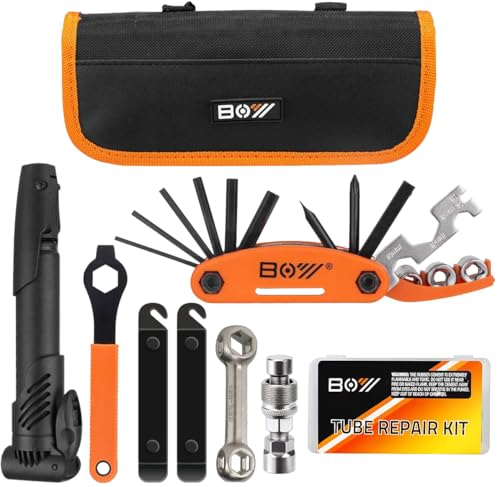
- Pack spares, tubes or plugs, levers, CO2, inflator, multi-tool, chain link
- Pack electronics, head unit, watch, Di2 charger, heart strap, chargers
- Pack documents, ID, credit card, insurance, medical info, USAT card
- Pack recovery, sandals, Normatec or boots, protein, magnesium
- Pack health, sunscreen SPF 30+, lube, tape, blister care, basic meds
Bag drop setup
- Label T1, T2, and special-needs with name, bib, and contents
- Stage bike bag with helmet, glasses, socks, nutrition
- Stage run bag with shoes, socks, hat, gels, salt
- Stage special-needs with exact items, no experiments, mark with tape color
Support crew plan
- Assign roles, tracker, split caller, bottle handoff in allowed zones, photo
- Assign locations, swim exit, bike mount, run hot spots, finish chute
- Assign times, award ceremony and roll down coverage with phone and ID
- Share contingency, lost contact point, medical tent location, hotel route
I brief crew on course rules since outside assistance incurs penalties, then I use official aid and designated personal needs only. I share my hydration and caffeine plan so they recognize issues fast. I align all logistics to the prime objective, qualify for the Ironman World Championship slot.
Common Mistakes To Avoid
- Overbiking — Riding above 70 to 75% FTP for age‑group racers increases marathon slowdown and DNF risk in heat (TrainingPeaks, Allen & Coggan).
- Underfueling — Taking under 60 g carbs per hour on the bike reduces late‑run pace and increases GI distress (Asker Jeukendrup, 2014).
- Dehydrating — Losing over 2% body mass impairs endurance performance and thermoregulation (ACSM Position Stand).
- Drafting — Sitting under 12 m for over 25 s triggers a 5 min penalty on most courses (IRONMAN Competition Rules).
- Overpacing the swim — Starting over 5 to 7% faster than CSS elevates lactate and harms bike‑run power (SwimSmooth, British Triathlon).
- Skipping heat prep — Completing under 7 to 14 days of heat acclimation raises heart rate and RPE in hot races (IOC consensus, 2021).
- Ignoring slot math — Targeting races with under 30 total slots in deep age‑groups lowers qualification probability (IRONMAN Slot Allocation Policy).
- Misreading weather — Failing to adjust power and pace for high Wet Bulb Globe Temperature inflates cardiac drift (NOAA, ACSM).
- Mismanaging transitions — Spending over 8 min total in T1 and T2 costs multiple age‑group places on crowded courses (IRONMAN results archives).
- Neglecting strength — Skipping 2 sessions per week reduces durability and increases injury risk in long builds (ACSM, Blagrove et al.).
- Violating rules — Blocking on climbs or littering in aid zones draws time penalties and slot‑ending stress (IRONMAN Competition Rules).
- Botching admin — Missing on‑site slot acceptance and payment windows forfeits a slot the same day (IRONMAN Slot Acceptance Policy).
- Overracing — Stacking two full IRONMAN races inside 6 weeks limits recovery and blunts peak form (Mujika & Padilla).
- Under‑testing — Avoiding race‑pace rehearsals hides fueling errors and pacing gaps before qualifier day (World Triathlon coaching resources).
- Overgearing — Choosing deep wheels and long cranks on hilly windy courses degrades handling and run economy (Specialized Win Tunnel, bikefit research).
- Under‑sodium — Taking under 300 mg sodium per hour in heavy sweaters increases hyponatremia risk with high fluid intake (ACSM, Hew‑Butler et al.).
- Overcaffeine — Exceeding 6 mg per kg increases GI and HR issues in hot qualifiers (ISSN Position Stand).
- Undersleeping — Sleeping under 7 h in race week raises RPE and error rates for pacing and rules (Sleep Foundation, IOC consensus).
- Overcomplicating tech — Adding new devices or apps in race week increases failure points and focus drift (USAT coaching best practices).
- Underplanning travel — Arriving under 48 h before start increases jet lag impact on HRV and pacing (ACSM travel recommendations).
Table: Numeric triggers and sources
| Mistake | Threshold or target | Effect | Source |
|---|---|---|---|
| Bike intensity | 70–75% FTP for age‑groupers | Higher marathon slowdown and DNF | TrainingPeaks, Allen & Coggan |
| Carb intake | 60–90 g per hour bike | Better late‑run pace | Jeukendrup 2014 |
| Fluid balance | <2% body mass loss | Maintain endurance and cooling | ACSM |
| Draft gap | ≥12 m with pass in 25 s | Avoid 5 min penalty | IRONMAN Rules |
| Swim start pace | ≤105–107% of CSS for 400–800 m | Lower lactate and better bike power | SwimSmooth, British Triathlon |
| Heat acclimation | 7–14 days | Lower HR and core temp | IOC 2021 |
| Sodium intake | 300–800 mg per hour | Lower hyponatremia risk | ACSM, Hew‑Butler |
| Caffeine dose | 3–6 mg per kg total | Performance gain with fewer side effects | ISSN |
| Transitions total | ≤8 min combined | Fewer lost places | IRONMAN archives |
| Race spacing | ≥6 weeks between full races | Better recovery and peak | Mujika & Padilla |
I align these guardrails to slot allocation plans and course demands so I protect a qualification run from avoidable errors.
12-Month Roadmap To Qualification
Year plan
I map a 12-month plan that anchors slot math, course demands, and race logistics into one calendar.
- Set macro goals that tie qualify targets to your age-group ranks, slot density, and roll down history.
- Pick A and B races that match Ironman course profiles, weather trends, and travel simplicity.
- Build training blocks that progress volume, intensity, and specificity across base, build, peak, and taper.
- Align nutrition inputs that match carbohydrate grams, fluid rates, and sodium targets per hour.
- Schedule heat work that drives sweat rate adaptation and plasma volume expansion for hot qualifiers.
- Lock admin tasks that cover pro or age-group rules, registration timelines, and validation windows.
Month-by-month focus
I structure each month to stack fitness, durability, and race readiness without guesswork.
- Start months 12 to 10 by establishing aerobic base, technique economy, and strength durability.
- Shift months 9 to 7 by increasing threshold power, long-ride resilience, and brick fluency.
- Advance months 6 to 4 by adding race-pace work, heat acclimation, and fueling precision.
- Sharpen months 3 to 2 by rehearsing course-specific pacing, transitions, and mechanical drills.
- Finalize month 1 by tapering load, consolidating glycogen, and executing race logistics.
Key actions by phase
I deploy simple actions that connect Ironman pacing to World Championship slot outcomes.
- Audit fitness with a 20-minute FTP test, a 1k swim TT, and a 10k run TT each 8 weeks.
- Calibrate zones using lactate or validated field protocols for precise bike-run pacing.
- Progress long ride to 4.5 to 6 hours and long run to 24 to 32 km in build and peak weeks.
- Rehearse fueling at 70 to 100 g carbs per hour, 500 to 900 mg sodium per hour, and 500 to 750 ml fluid per hour in long sessions.
- Integrate 10 to 14 days of heat acclimation with 45 to 60 minutes easy sessions in heat or sauna post-workout.
- Execute bricks weekly with bike at 68 to 72 percent of FTP and run at target marathon pace plus 10 to 20 seconds per km.
- Lift twice weekly in base with heavy compound sets, then maintain once weekly in build and peak.
- Scout qualifier data with slot counts, median splits, and historical roll downs for your age group.
- Book travel 16 to 20 weeks out with bike transport, race-site proximity, and contingency buffers.
- Validate rules with current Ironman Athlete Guide, anti-drafting protocols, and slot acceptance steps.
Training metrics and targets
I track numbers that tie training stress to race-day qualify pace.
| Month | Focus | Weekly Hours | Long Ride h | Long Run km | Bike Intensity Factor | Run Marathon Target | Carbs g/h | Sodium mg/h | Key Test |
|---|---|---|---|---|---|---|---|---|---|
| 12 | Base 1 | 8 to 10 | 3.0 | 16 to 18 | 0.60 | MP + 30 s/km | 50 to 60 | 400 to 600 | 1k swim TT |
| 11 | Base 2 | 9 to 11 | 3.5 | 18 to 20 | 0.62 | MP + 25 s/km | 50 to 60 | 400 to 600 | 20-min FTP |
| 10 | Base 3 | 10 to 12 | 4.0 | 20 to 22 | 0.64 | MP + 20 s/km | 60 to 70 | 500 to 700 | 10k run TT |
| 9 | Build 1 | 11 to 13 | 4.5 | 22 to 24 | 0.66 | MP + 15 s/km | 70 to 80 | 600 to 800 | 1k swim TT |
| 8 | Build 2 | 12 to 14 | 5.0 | 24 to 26 | 0.68 | MP + 15 s/km | 70 to 90 | 600 to 800 | 20-min FTP |
| 7 | Build 3 | 12 to 14 | 5.5 | 24 to 28 | 0.70 | MP + 10 s/km | 80 to 90 | 700 to 900 | 10k run TT |
| 6 | Specific 1 | 12 to 14 | 5.5 | 26 to 30 | 0.70 to 0.72 | MP + 10 s/km | 80 to 100 | 700 to 900 | Race sim brick |
| 5 | Specific 2 | 12 to 14 | 6.0 | 28 to 30 | 0.70 to 0.72 | MP + 5 s/km | 80 to 100 | 700 to 900 | Heat block start |
| 4 | Specific 3 | 11 to 13 | 5.0 | 24 to 28 | 0.70 | MP + 5 s/km | 80 to 100 | 700 to 900 | Race sim brick |
| 3 | Sharpen 1 | 10 to 12 | 4.5 | 22 to 24 | 0.69 | MP | 80 to 100 | 700 to 900 | 20-min FTP |
| 2 | Sharpen 2 | 8 to 10 | 4.0 | 18 to 20 | 0.68 | MP | 80 to 100 | 700 to 900 | 10k run TT |
| 1 | Taper | 6 to 8 | 2.5 | 12 to 16 | 0.65 | MP | 70 to 90 | 600 to 800 | Race-week checks |
MP denotes target Ironman marathon pace based on slot math for your age group and course.
Monthly execution details
I keep each month clear and actionable to convert training into a qualification slot.
- Define Month 12 by skills focus in swim mechanics, aero fit, and cadence drills that reduce energy cost.
- Define Month 11 by strength gains in squat, hinge, and pull patterns that raise durability under load.
- Define Month 10 by volume expansion across swim bike run that maintains low aerobic intensity discipline.
- Drive Month 9 by tempo sets at 85 to 90 percent of threshold that increase sustainable speed.
- Drive Month 8 by long bricks that test fueling, pacing, and transitions under cumulative fatigue.
- Drive Month 7 by climbing reps and aero sustained efforts that mirror qualifier terrain and winds.
- Target Month 6 by race-pace intervals on course-like routes that polish Ironman pacing control.
- Target Month 5 by heat acclimation and sweat testing that finalize electrolyte and fluid plans.
- Target Month 4 by open-water practice with sighting, starts, and contact skills that protect position.
- Nail Month 3 by legal pack management, surge control, and drafting avoidance at 12 m plus spacing.
- Nail Month 2 by equipment finalization on race wheels, tires, and hydration mounts in full kit.
- Nail Month 1 by taper management, sleep extension, and travel buffers that preserve freshness.
Race selection and slot math cadence
I connect race choice to qualification probability then update targets each quarter.
- Analyze slot tables, age-group depth, and historic roll downs for 3 candidate races per region.
- Compare your best course fit across flat, hilly, hot, and windy profiles with your strengths.
- Validate required splits using past top-5 age-group times and weather-adjusted pacing calculators.
- Lock primary qualifier 16 to 24 weeks out, then set a backup race inside validation rules.
- Track fitness against splits every 8 weeks, then adjust race pick only if probability drops.
Nutrition and heat adaptation
I make fueling and thermoregulation non-negotiable performance systems.
- Practice carbohydrate intake at 60 to 90 g per hour on the bike, 40 to 70 g per hour on the run, using glucose fructose blends for higher absorption rates.
- Match sodium intake to sweat rate with 500 to 900 mg per hour, then retest in heat to confirm.
- Calibrate fluids to body mass loss under 2 percent in long sessions, then tweak for humidity.
- Use 10 to 14 consecutive days of heat exposure to raise plasma volume and reduce heart rate drift.
- Track gut tolerance with product-specific trials, then lock exact products 6 to 8 weeks pre-race.
- Cite guidance from ACSM, ISSN, and Sports Dietetics Australia for carbohydrate, hydration, and caffeine ranges.
Sources: American College of Sports Medicine 2021 Position Stand, International Society of Sports Nutrition 2018, Sports Dietitians Australia 2023, Ironman Athlete Guide current year
Equipment and aero gains
I chase free speed that compounds across the bike-run balance.
- Test position changes at 30 to 45 kph in field runs, then confirm with repeatable out-and-back laps.
- Select tires with low rolling resistance, puncture protection, and latex or TPU tubes where legal.
- Optimize hydration mounts that keep bottles in the air shadow and preserve aero stability in crosswinds.
- Choose gearing that maintains 80 to 95 rpm on climbs and descents while keeping target power.
- Reserve race kit for final 8 weeks, then test in heat and full-distance bricks for chafing and airflow.
Race-week and admin checkpoints
I front-load logistics to protect the World Championship slot on race day.
- Confirm registration status, medical docs, and on-site check-in windows with buffer days.
- Review athlete briefing notes, penalty rules, and course updates for drafting, blocking, and blocking zones.
- Pack race-day checklist by segment, then stage gear for fast transitions and low decision load.
- Set slot acceptance alerts post-finish with payment method ready and ID documents on hand.
- Validate result and age-group placement, then track roll down ceremony timing at the awards.
Conclusion
Now it is your turn. Pick your window. Commit to the work. Control what you can. Let the rest go. Show up day after day and your ceiling will move.
I lean on simple habits that I can repeat under stress. I track the basics. I keep the goal visible. I treat setbacks as feedback not verdicts. Progress feels slow until it suddenly does not.
Protect your energy. Protect your focus. Build a team you trust. Choose tools that help you decide not distract. Keep your why close when the doubts get loud.
Set your date. Make your plan. Give it honest effort. Then back yourself when it counts. I cannot wait to see you earn that slot and cross that line with pride.