
Taking on your first triathlon is both exciting and a little intimidating. I remember feeling a mix of nerves and thrill before my first race, wondering how to juggle swimming, biking, and running all in one go. But with the right preparation, it’s totally doable and incredibly rewarding.

I’ll walk you through some simple steps to get ready without feeling overwhelmed. Whether you’re aiming to finish or compete, setting up a solid plan can make all the difference. Let’s dive into how you can confidently tackle your first triathlon and enjoy every moment of the journey.
Understanding the Triathlon Basics
Understanding triathlon fundamentals makes training and race day smoother. Knowing the event types and race distances helps set realistic goals and training plans.
Types of Triathlons
Triathlons come in several formats, each testing different skills and endurance levels. Sprint triathlons include a 750-meter swim, 20-kilometer bike, and 5-kilometer run. Olympic triathlons double those distances to a 1,500-meter swim, 40-kilometer bike, and 10-kilometer run. Half Ironman races, or 70.3 events, consist of a 1.9-kilometer swim, 90-kilometer bike, and 21.1-kilometer run. Ironman triathlons challenge athletes with a 3.8-kilometer swim, 180-kilometer bike, and 42.2-kilometer marathon run. Understanding these distinctions guides your training approach and race selection.
Race Distances Explained
Race distances determine the intensity and duration of your effort. Shorter distances like the sprint demand high intensity and quick transitions, emphasizing speed and power. Longer distances, such as the Ironman, require endurance, pacing, and nutrition strategy. Training balances swim, bike, and run workouts tailored to the race you choose. Familiarity with these distances ensures your preparation matches the demands of your first triathlon.
Training for Your First Triathlon
Training sets the foundation for your triathlon experience. I focus on building balanced workouts, honing skills in each discipline, and respecting rest to optimize performance.
Building a Balanced Workout Plan
I divide training into swim, bike, and run sessions scheduled across the week. Prioritizing two workouts per discipline ensures steady improvement. For example, Monday and Thursday for swimming, Tuesday and Friday for biking, and Wednesday and Saturday for running. Including brick workouts—back-to-back bike and run sessions—prepares your body for race-day transitions. I recommend starting with 30- to 45-minute sessions, gradually increasing duration by 10% weekly. Consistency beats intensity; steady progress avoids burnout and injury.
Tips for Swimming, Biking, and Running
I emphasize technique for swimming, focusing on breathing rhythm and efficient strokes. Using a swim coach or video analysis sharpens form quickly. For biking, I advise practicing in varied terrain to build strength and bike handling skills. Proper bike fit prevents discomfort and enhances power output. Running benefits from interval and tempo workouts to build speed and endurance. I suggest running on different surfaces to reduce impact. Wearing triathlon-specific gear during training familiarizes your body with race conditions.
Importance of Rest and Recovery
I stress that recovery equals training; muscles rebuild and adapt during rest days. Planning at least one full rest day weekly prevents overtraining. Incorporating active recovery like gentle yoga or swimming flushes out fatigue while maintaining movement. Sleep quality directly impacts performance, so I aim for 7 to 8 hours nightly. Listening to your body helps adjust training load; if soreness or fatigue persist, reducing intensity avoids setbacks. Recovery boosts long-term gains and sustains motivation throughout your triathlon journey.

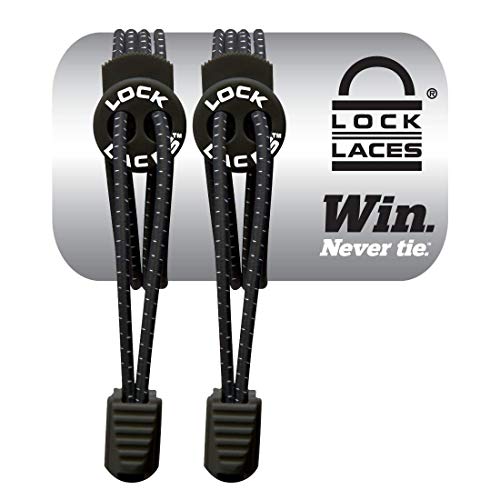


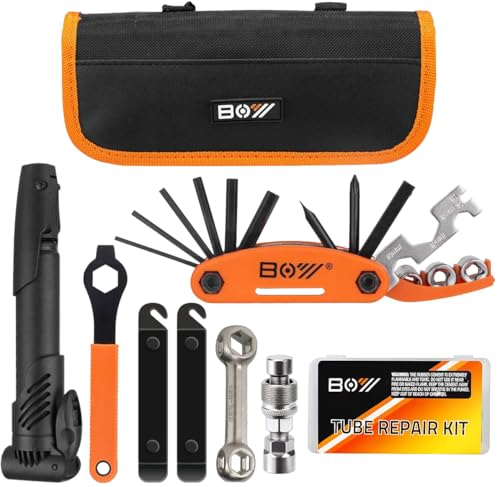

Essential Gear and Equipment
Having the right gear and equipment lays the foundation for your triathlon experience. The right choices enhance performance, boost confidence, and reduce stress on race day.
Choosing the Right Triathlon Gear
Selecting gear tailored to triathlons fuels efficiency in each discipline. I recommend starting with these essentials:
- Triathlon Suit: A tri suit designed for swimming, biking, and running saves time during transitions and prevents chafing.
- Swim Gear: A well-fitted wetsuit provides buoyancy and warmth in open water. Pair it with goggles that offer clear visibility and comfort.
- Bike: A road or triathlon-specific bike with clip-in pedals improves power transfer. Regular maintenance keeps it race-ready.
- Helmet: Certified helmets protect and meet race regulations. Ensure a snug fit to avoid distractions.
- Running Shoes: Lightweight shoes with good support reduce injury risks. Consider trail shoes for off-road sections.
- Accessories: Items like a race belt, sunglasses, and a hydration system enhance comfort and preparedness.
Investing in gear that suits your body and race conditions makes training and racing more enjoyable.
Nutrition and Hydration Supplies
Fueling your body properly affects endurance and recovery throughout the triathlon. I focus on:
- Hydration Packs and Bottles: Easy-to-access bottles on your bike or handheld water reservoirs during runs ensure steady fluid intake.
- Energy Gels and Bars: Quick-absorbing carbohydrates provide energy at critical moments. Testing options during training identifies what works best.
- Electrolyte Supplements: Replenishing sodium, potassium, and magnesium prevents cramping and maintains muscle function.
- Solid and Liquid Fuel: Combining gels, bars, and sports drinks balances calorie intake and digestion comfort.
Planning nutrition and hydration strategies before race day eliminates guesswork and maintains performance from start to finish.
Planning Race Day
Planning race day reduces stress and helps execute your training effectively. Organizing gear, understanding transition logistics, and preparing mentally ensure a smooth experience.
Creating a Race Day Checklist
I create a detailed race day checklist to avoid forgetting essentials. Here’s what I include:
- Swim gear: wetsuit, goggles, swim cap, earplugs
- Bike essentials: bike, helmet, shoes, water bottles, repair kit
- Run gear: running shoes, race bib, hat, sunglasses
- Nutrition: energy gels, electrolyte drinks, snacks
- Miscellaneous: towel, sunscreen, race belt, ID, cash/cards
Packing the night before saves time and energy. Organize gear by race segments in labeled bags or bins to streamline transitions. Checking weather forecasts helps adapt the checklist to conditions, ensuring comfort and safety.
Transition Area Tips and Strategies
I treat the transition area as the fourth discipline of a triathlon. Efficient transitions save valuable minutes. Follow these tips:
- Position your items for quick access; place shoes pointed outward.
- Practice mounting and dismounting your bike smoothly in training.
- Use a multisport pouch or belt to carry nutrition and race numbers.
- Plan your route through the transition to avoid congestion.
- Keep your helmet unclasped until ready to leave the bike area.
Arriving early gives time to set up and familiarize yourself with the layout. Visualizing your transitions boosts confidence and reduces race-day surprises. Managing transitions well reinforces your overall race strategy and pacing.
Mental Preparation and Motivation
« Triathlon Race Day Checklist for Beginners: Essential Tips to Crush Your First Race
Relaxation Tips for Triathlon Prep: Boost Your Recovery and Race Day Performance »
Mental strength shapes the triathlon experience as much as physical training. Balancing excitement with realistic expectations helps maintain focus and joy throughout the journey.
Setting Realistic Goals
I recommend setting clear, achievable goals aligned with your current fitness and experience levels. Completing your first triathlon without injury or burnout is a strong initial goal. Break your ultimate race-day ambitions into smaller milestones like mastering swim technique or improving bike endurance. Setting deadlines for these milestones creates structure and progress signals. Avoid overambitious targets that risk discouragement or injury.
Staying Motivated Through Training
I suggest mixing training routines to keep each session engaging and prevent burnout. Celebrating small wins like a personal best in running pace or a longer bike ride fosters positive momentum. Training groups or coaching sessions provide accountability and support that motivate consistently. Visualizing race day often reinforces why you’re committing to early mornings and tough workouts. Reminding yourself that mental toughness built now empowers success during the race keeps motivation high under pressure.
Conclusion
Taking on your first triathlon is as much about the journey as the finish line. Trusting your preparation and staying flexible with your goals will make the experience enjoyable and fulfilling. Remember that every step you take, whether in training or on race day, is a victory in itself.
Embrace the excitement and nerves—they’re signs you’re pushing your limits and growing stronger. Keep your focus on the progress you’ve made and the fun of challenging yourself. You’ve got this!


