Traveling with triathlon gear can feel like a puzzle. Between bikes, wetsuits, and all the little essentials, packing and navigating airports gets tricky fast. I’ve learned a few tricks along the way that make the whole process smoother and less stressful.

Whether you’re heading to your first race or you’re a seasoned triathlete, knowing how to handle your gear at the airport can save you time and headaches. From packing tips to dealing with security, a little preparation goes a long way in keeping your equipment safe and ready to race.
Preparing for Airport Travel with Triathlon Gear
Traveling with triathlon gear requires careful planning to protect expensive equipment and maintain peak performance readiness. I focus on making smart packing choices and selecting the right bags to keep everything organized and secure.
Choosing the Right Travel Bags for Triathlon Equipment
Selecting durable, well-structured bags reduces the risk of damage during transit. I recommend:
- Bike Boxes and Hard Cases: Models like Pelican and Evoc offer strong protection with custom foam inserts to secure frames, wheels, and pedals.
- Wheeled Duffels: Brands like Osprey provide mobility with plenty of compartments for shoes, helmets, and wetsuits.
- Accessory Organizers: Smaller pouches help separate nutrition, tools, and electronics to avoid last-minute scrambling.
Prioritize bags designed specifically for triathlon gear, as they support better packing efficiency and withstand rough handling more effectively than general luggage.
Packing Essentials: What to Bring and What to Leave Behind
Bringing the right equipment ensures seamless race prep without excess baggage. I pack:
- Mandatory Gear: Bike, helmet, wetsuit, race clothing, running shoes, goggles.
- Tools and Spares: Mini pump, tire levers, spare tubes, multi-tool, chain lube, patch kit.
- Nutrition: Gels, electrolyte tablets, bars, and hydration bottles tailored to race needs.
- Recovery Items: Foam roller, compression socks, sunscreen, first-aid supplies.
I skip bulky, non-essential items that add weight or risk delay at security checkpoints. Prioritizing compact, versatile gear keeps packing manageable and avoids oversize fees.
Navigating Security Checks with Triathlon Gear
Traveling with triathlon gear often means facing security checkpoints with bulky, unusual equipment. I focus on streamlining this process to keep your gear safe and your travel stress-free.
TSA Guidelines for Sports Equipment
The TSA treats triathlon gear like any specialized sports equipment. Bikes must be disassembled and packed in hard cases or bike boxes. Wetsuits, helmets, and shoes go through standard screening. Liquids like gels and hydration mixes follow the 3-1-1 rule: containers hold 3.4 ounces or less and fit in one quart-sized bag. Tools, such as tire levers and mini pumps, are allowed but need separate inspection to avoid delays. If you carry electronic devices like GPS watches or bike computers, remove them from baggage for separate screening. Always check the latest TSA updates to avoid surprises at the airport.


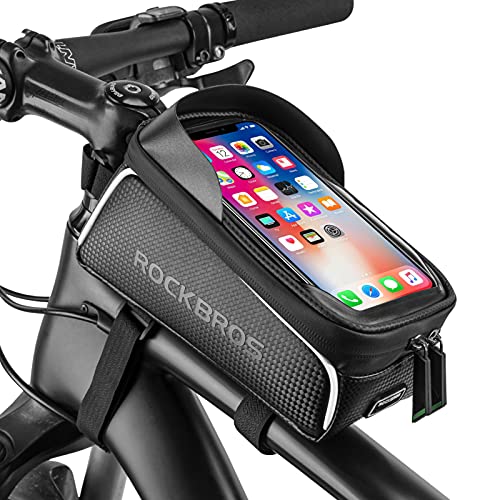
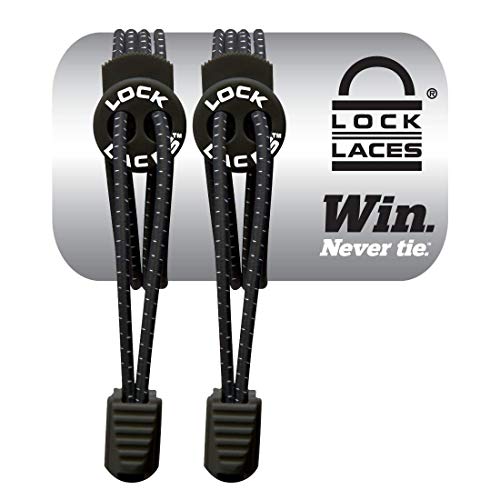
![Lamicall Bike Frame Bag Waterproof - [1s Release] [2 in](https://m.media-amazon.com/images/I/41WyOmmNsYL._SL500_.jpg)

Tips for Quick and Smooth Security Screening
Prepare your triathlon bag before reaching security. Pack essential items in easily accessible compartments. Have your ID, boarding pass, and any medical cards handy. When moving through checkpoints, place bulky gear like bike cases and wetsuits in separate bins for scanning. Inform TSA agents upfront about your bike or tools to reduce confusion. Avoid overpacking liquids beyond the allowed limit to prevent confiscations. Wearing slip-on shoes helps speed up shoe removal. Staying organized and cooperative cuts down waiting times and protects your triathlon gear from damage or loss.
Handling Bicycles and Specialized Equipment
Managing your bike and specialized triathlon gear during air travel requires careful attention to detail to keep everything safe and race-ready. I focus on minimizing damage risk while making packing and transport as efficient as possible.
Disassembling and Packing Your Bike
I always start by partially disassembling my bike to fit it into a hard case designed for air travel. Removing pedals, front wheel, and handlebars creates a compact shape that fits better, making it less likely to shift. I also deflate tires slightly to reduce pressure changes during flight. Wrapping frame tubes and delicate components with bubble wrap or foam padding adds extra protection. I secure smaller parts like quick releases and derailleur guards in designated compartments or zippered bags inside the case to keep them from moving or getting lost. When packing, I place the heaviest parts at the bottom to keep the case stable.
Protecting Equipment from Damage During Transport
I trust hard bike cases for their rigid shells that absorb impacts from rough handling. Using additional padding around vulnerable spots such as derailleurs and shifters reduces damage risk during transport. I recommend labeling your bike case clearly with your name and contact information in case it gets misplaced. For other gear like helmets and wetsuits, I pack them in padded bags or compartments within my carry-on to prevent scratches and maintain form. Always double-check that handles and wheels on bike bags are secure to avoid issues during baggage handling. I’ve found that investing in quality, travel-specific equipment storage eases the stress of flying with triathlon gear and protects it for peak race performance.
Managing Airport Logistics
Managing airport logistics with triathlon gear requires precise timing and coordination to keep stress low and equipment safe. I focus on strategies that streamline arrival and check-in while ensuring all gear travels securely.
Arriving Early and Checking In Your Gear
Arriving early guarantees enough time to handle bulky gear without rushing. I recommend reaching the airport at least two hours before domestic flights and three hours before international ones, especially when carrying bikes and other oversized items. Checking in triathlon gear early gives staff proper time to tag it and handle it with care. Always notify airline personnel right away about your bike case and bags with wetsuits or helmets. Doing so cuts down confusion and speeds up the process. Additionally, I prepare all necessary documents and receipts for checked equipment to present at the counter, avoiding unnecessary delays.
Coordinating with Airlines for Oversized Items
Coordinating with airlines ahead of time eases the process for transporting oversized triathlon gear. I contact airline customer service several days before travel to confirm bike box dimensions and weight limits. Some airlines allow free bike transport under certain conditions, while others charge fees or require advance notice. Informing them of the exact size and weight ensures no surprises at the airport. If possible, I request gate-checking options or expedited handling to minimize damage risk. Certain airlines may also need special documentation for international travel with sports equipment, so I always verify those requirements early. Solid communication with the airline helps secure smoother transfers for my valuable gear.
On Arrival: Unpacking and Reassembling Your Gear
Arriving with your triathlon gear means carefully unpacking and checking everything to ensure your equipment is race-ready. I focus on a systematic approach to quickly assess and prepare gear after travel to keep performance sharp.
Inspecting Equipment for Damage
I start by visually inspecting each piece of gear, giving special attention to the bike frame, wheels, and drivetrain, areas most prone to impact during transit. I check for scratches, dents, or alignment issues, such as bent derailleur hangers or out-of-true wheels. Tires receive a quick pressure check to confirm they’re race-ready. For wetsuits and helmets, I look for cuts, tears, or deformities that could affect protection or fit. If any damage shows up, I prioritize repairs immediately to avoid race day problems.
Quick Maintenance Tips Before the Race
I perform basic maintenance tasks to keep my bike and accessories in peak condition. Lubricating the chain and checking brake pads can prevent mechanical issues. I inflate tires to the recommended pressure, ensuring optimal handling and speed. I also reassemble components removed for travel, like handlebars and pedals, tightening bolts to correct torque specifications to maintain safety and bike performance. For wetsuits, a quick rinse in fresh water removes travel residue and helps maintain flexibility. These quick checks and fixes create confidence leading into race day with gear functioning smoothly.
Conclusion
« Transition Gear Check Hacks: Simple Tips to Master Triathlon Transitions Easily
Triathlon Race Day Checklist for Beginners: Essential Tips to Crush Your First Race »
Traveling with triathlon gear can feel overwhelming, but with a bit of planning and the right approach, it doesn’t have to be. I’ve found that staying organized and communicating clearly with airlines really makes a difference.
Taking the time to protect your equipment and prepare for airport procedures helps you stay stress-free and focused on your race. When you arrive, a quick gear check ensures everything’s ready to go.
Ultimately, traveling smart lets you enjoy the journey as much as the race itself.