Transition times in triathlons can make or break your race. I’ve learned that shaving off even a few seconds between swim, bike, and run can boost your overall performance and confidence. It’s not just about speed but also about smooth, efficient moves that keep your momentum going.

Over the years, I’ve picked up some simple yet effective tips that help me breeze through transitions without the usual stress. Whether you’re new to triathlons or looking to improve your race day routine, these time-saving strategies can give you that extra edge you’re after. Let’s dive into how you can make your transitions faster and less hectic.
Importance of Efficient Transitions in Triathlons
Efficient transitions save valuable minutes that add up across swim, bike, and run segments. I treat transition as the “fourth discipline,” since it affects overall race time directly. Athletes who master quick changeovers gain a competitive edge because every second counts in close races.
Smooth transitions reduce mental stress by creating rhythm and flow between disciplines. When I coach, I focus on preparing athletes to move confidently and quickly through transition areas. This confidence cuts down on hesitation and mistakes that cause delays.
Transitions also prevent physical fatigue caused by inefficient gear changes or movement. For example, minimizing time spent fumbling with shoes or equipment lets you maintain energy and focus for the following segment. I often advise athletes to practice transitions under race conditions to build muscle memory and speed.
Each split-second saved in transition translates to better race positions and stronger finishes. That’s why I prioritize transition training alongside swim, bike, and run workouts. Efficient transitions shape race outcomes and build overall triathlon success.
Preparing Your Transition Area
Efficient transitions start well before race day. Setting up your transition area with purpose cuts down wasted seconds and keeps your focus sharp.
Organizing Gear for Quick Access
I lay out all my gear in the order I’ll use it. Helmets, shoes, and sunglasses go front and center for easy reach. I separate items into swim-to-bike and bike-to-run zones so I never have to search or shuffle. Grouping socks, nutrition, and race essentials in small containers or mesh bags streamlines the process. I double-check everything fits within arm’s length, avoiding extra steps or distractions.
Setting Up Your Transition Station Strategically
I position my bike so the drivetrain faces away from my neighbor’s spot to prevent tangles. Shoes point forward with laces loosened to slip in fast. I place helmet straps open nearby to clip on quickly after grabbing my bike. Having a towel under my gear keeps feet clean and items stable. Lastly, I identify fixed landmarks around my station to find it instantly amid crowded racks, reducing mental load and saving precious time.



Key Transition Time-Saving Tips for Triathletes
Mastering transitions means cutting precious seconds and keeping momentum flowing. Focusing on specific race-day habits transforms transitions from stressful moments into smooth, efficient shifts.
Practicing Smooth Mounts and Dismounts
Consistency in mounting and dismounting lowers mistakes and saves time. I recommend rehearsing these skills until muscle memory takes over. Practice running your bike out of the transition area, swinging your leg over the saddle swiftly, and clipping into pedals on the move. For dismounts, practice unclipping one foot, swinging your leg to the other side, and running into the transition zone without hesitation. Using cones or markers simulates race conditions and builds confidence. Avoid fumbling or stopping unnecessarily by repeating these drills until fluidity feels natural.
Using Quick-Release Equipment
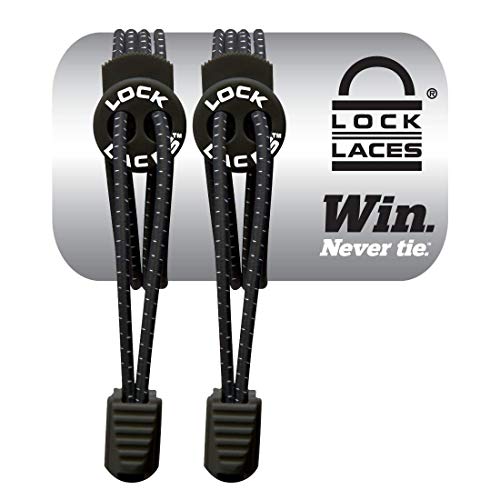
Quick-release gear accelerates your transitions significantly. I always advise choosing bikes with reliable quick-release skewers, so wheel removal or adjustments don’t cause delays. Wearing tri-specific shoes with elastic laces or Velcro straps ensures you slip in and out quickly during changeovers. Using helmets with buckle designs that open wide and secure tightly fast caters to speed without sacrificing safety. Equipping your transition area with brightly colored gear or individual identifiable tags makes finding and grabbing items faster, reducing mental clutter when seconds count.
Mastering Efficient Clothing Changes
Rapid yet precise clothing changes eliminate bottlenecks in transitions. I suggest practicing layering triathlon-specific apparel such as trisuits that function for multiple segments to minimize full changes. For unavoidable switches, like adding running shoes, organize gear in the order you’ll use it and keep items paired neatly—shoes, socks, sunglasses. Using body glide or anti-chafe products beforehand prevents discomfort that distracts during changes. Training your hands to execute quick zippers, helmet buckles, and shoe straps without fumbling cuts down seconds. Efficient clothing changes come from rehearsed routine and preparation, which I stress repeatedly in coaching sessions.
Mental Strategies to Improve Transition Speed
Visualizing each step of the transition helps build confidence and reduce hesitation. I mentally rehearse rack removal, helmet clipping, and shoe slipping to create a clear sequence. Focusing on one task at a time prevents overwhelm, especially under race pressure. I remind myself to stay calm, keeping movements deliberate yet swift.
Establishing a transition mantra anchors focus. Simple phrases like “smooth and fast” or “breathe and go” sharpen my mindset. If nerves creep in, I repeat the mantra to maintain rhythm and avoid mistakes. I treat transitions like a practiced routine, reducing mental clutter by trusting my training.
Anticipating common problems, like tangled gear or slippery shoes, sharpens my readiness. I prepare recovery plans so unexpected hiccups don’t stall progress. If a buckle sticks or a strap twists, I stay composed and adapt quickly, minimizing time loss.
Breaking the transition into visual checkpoints keeps me oriented. Spotting landmarks such as my towel edge or bike stand helps pace transitions consistently. When I reach each point, I mentally check off completed tasks and shift focus to the next. This structured attention speeds movement through the transition zone.
I use deep, steady breaths to control adrenaline bursts that can cause rushed decisions. Calming the mind creates space to process actions efficiently. If I feel rushed during a race, I slow my breathing to regain composure and execute transitions methodically.
Finally, I reinforce progress by reviewing transition performances post-race or in training. Identifying mental blocks or hesitation patterns guides adjustments. Over time, this reflection builds a resilient mental approach that makes transition speed a reliable strength.
Common Transition Mistakes and How to Avoid Them
« Ultimate Triathlon Race Day Emergency Kit: Essential Items to Stay Prepared and Confident
How to Prepare for a Coastal Triathlon: Essential Tips for Swimming, Biking & Running Success »
I’ve seen many triathletes, from beginners to seasoned racers, make transition mistakes that cost valuable seconds or even minutes. Recognizing these errors and fixing them speeds up your race and reduces stress.
Ignoring Pre-Race Setup
Skipping a thorough transition area check leads to misplaced gear and confusion. I always arrange my bike, helmet, shoes, and nutrition logically. If items aren’t placed in a consistent order, finding them slows down movement. Laying out gear in swim-to-bike and bike-to-run zones avoids wasting time searching.
Rushing Without Practice
Rushing transitions without practice causes fumbling or forgotten steps. I recommend rehearsing mount and dismount techniques, gear changes, and quick clothing swaps during training. Muscle memory from repeated practice helps avoid awkward moments during the race.
Not Securing Equipment Properly
Loose straps on helmets or improperly fastened shoes waste seconds. My advice: double-check all straps and closures before race start. Using quick-release pedals and elastic laces speeds up these adjustments even more.
Forgetting to Hydrate or Fuel
Skipping hydration or nutrition options in transition might seem faster but harms performance later. I plan and place bottles or gels within easy reach, integrating short consumption stops into transition routines.
Overloading the Transition Area
Bringing unnecessary gear clutters the space and leads to hesitation. I limit my setup to essentials only. Excess items risk tangling or tripping.
Neglecting Mental Focus
Letting the adrenaline cause scattered thoughts leads to missed steps or gear. I keep my focus by following a set transition checklist mentally, treating each chore as a specific task.
By avoiding these common mistakes, your transitions become fluid and time-efficient, creating a competitive advantage. Efficient transitions boost confidence and conserve energy for the bike and run legs. That edge makes a big difference on race day.
Conclusion
Mastering transitions isn’t just about shaving seconds off your race time—it’s about building confidence and staying calm under pressure. When I focus on smooth, practiced routines, I feel more in control and ready to tackle each leg of the triathlon with energy to spare.
Taking the time to prepare mentally and physically for transitions has made a huge difference in my races. It’s a skill that pays off every time you step into the transition area.
Keep experimenting with what works best for you and make transition training a regular part of your routine. Those small improvements add up and can be the key to your next personal best.