When it comes to shaving seconds off your race time, every little trick counts. I’ve spent countless hours experimenting with transition gear swaps to find ways that make the process smoother and faster. Whether you’re new to triathlons or a seasoned racer, mastering these hacks can give you a serious edge.

I’ve discovered simple tweaks that help me move through transitions with confidence and speed. From organizing gear to practicing quick changes, these tips have transformed my race experience. If you want to cut down your transition time and boost your overall performance, stick with me—I’ll share the hacks that have worked wonders for me.
Understanding Transition Gear Swaps
Mastering transition gear swaps forms a crucial part of speeding up race times. I focus on breaking down what gear swaps involve and why they matter.
What Is a Transition Gear Swap?
A transition gear swap means changing equipment quickly between triathlon stages—from swim to bike or bike to run. It involves removing your wetsuit, putting on bike shoes, helmet, and sunglasses, or switching to running shoes and hat. Effective swaps rely on minimizing fumbling and smooth organization so each item moves from bag to body seamlessly.
Importance of Speed in Transitions
Speed in transitions impacts overall race time more than many athletes expect. Even a 10-15 second improvement in transitions adds up across swim-to-bike and bike-to-run switches. Fast swaps keep momentum going and reduce mental fatigue. I’ve seen racers gain competitive edges by training transitions as seriously as swim sets or bike intervals. Transition efficiency also builds confidence, letting you maintain focus without panic about lost seconds.
Essential Gear for Quick Swaps
Every second counts during transitions, so I focus on choosing and organizing gear that cuts down swap time. Streamlined, efficient equipment gets you moving faster and keeps your energy up for the next stage.
Choosing Lightweight and Versatile Equipment
I always opt for lightweight items like aerodynamic helmets, minimalist running shoes, and quick-dry tri suits. Lightweight gear reduces bulk and helps speed up changing, especially when you’re tackling multiple swaps. Versatility matters too—shoes that double as bike and run shoes save valuable seconds. For example, slip-on cycling shoes with adjustable straps and ventilated soles help me exit the bike faster without compromising running form.
Organizing Your Gear for Fast Access
I arrange my gear systematically to avoid fumbling during transitions. Placing shoes, helmet, and other essentials in the order I’ll use them minimizes hand movements. Using brightly colored compartments or labels makes spotting items automatic. I keep sunglasses within easy reach and wetsuit peeled halfway before the race starts to reduce wetsuit removal time. Practicing this setup repeatedly helps me build muscle memory, which eliminates hesitation and speeds transitions.
Effective Techniques for Speedy Gear Swaps
Mastering quick gear swaps depends on precise movement and smart tech use. I focus on these techniques to keep transitions fast and fluid during races.




Practicing Efficient Movement Patterns
Efficient movement patterns cut seconds by reducing wasted motion. I break transition steps into smooth sequences—like removing the wetsuit with a firm grip while simultaneously reaching for the helmet. I recommend simulating full transition sequences in training, not just individual actions. Repetition engrains muscle memory, leading to automatic, confident swaps without pauses. I also stress minimizing upper-body movements since these usually consume the most time. For example, I teach athletes to pull off shoes while standing rather than sitting, which speeds up the change and preserves momentum. The goal is seamless flow from swim to bike or bike to run, with every movement intentional and direct.
Using Technology to Enhance Swap Speed
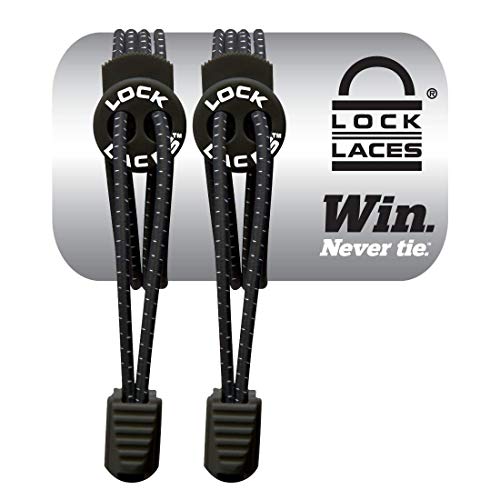
Technology enhances transition speed by streamlining gear management and offering real-time feedback. I integrate tools like race-specific timing apps to measure transition durations, allowing me and my athletes to analyze and improve split-second exchanges. I also recommend aerodynamic helmets with quick-release buckles for rapid donning and removal. Shoes designed for triathlon use with elastic laces or speed straps simplify fitting. Some athletes benefit from wearable sensors that track movement efficiency during swaps, identifying areas to trim. Incorporating tech tools sharpens focus on small, impactful gains in transition speed that add up to faster overall race times.
Common Mistakes to Avoid
Mastering transition gear swaps demands focus on simplicity and thorough preparation. Avoiding common errors helps improve speed and consistency in transitions.
Overcomplicating the Swap Process
I’ve seen many athletes slow down by trying to do too much during transitions. Complex routines or carrying extra gear add unnecessary steps. Streamline your setup by minimizing gear to essentials only. For example, use shoes that clip into pedals and work for running without changing socks. Avoid stacking equipment that causes fumbling or delays. Simplify clothing choices and swap sequences to fast-track execution. Remember, every extra second spent adjusting gear increases total transition time.
Neglecting Practice and Preparation
Ignore practice, and transition speeds suffer. I recommend rehearsing full transition sequences under race-like conditions regularly. Practice quick wetsuit removal, helmet fastening, shoe switching, and mounting the bike smoothly. Organize your gear consistently and practice the exact order to build muscle memory. When you skip preparation, hesitation creeps in and slows transitions. Training transitions as seriously as swimming or cycling sets builds confidence and precision needed for fast, error-free swaps.
Advanced Transition Gear Swap Hacks
Speeding up your transition gear swaps depends on smart customization and mental sharpness. I focus on these advanced hacks to cut crucial seconds during races.
Customizing Gear Setup
Fine-tune your gear layout based on personal preference and race demands. I arrange items to flow logically from swim exit through bike and run stages, placing the fastest-access gear closest. I customize shoe inserts, choosing minimalist cycling shoes with wide openings and elastic laces for rapid foot entry. I use modular setups, swapping out heavier shoes or helmets depending on race distance and weather. I color-code my gear compartments for quick visual recognition, avoiding fumbling under race pressure. Minimal bulk is essential—each piece must serve a purpose and combine lightness with durability to speed transitions without sacrificing performance.
Incorporating Mental Strategies for Focus
Transition speed demands mental clarity as much as physical readiness. I practice mindfulness techniques to stay calm and focused during chaos. Visualizing the entire gear swap sequence mentally before each race primes my mind for flawless execution. I train my eyes to scan the transition area systematically, eliminating distraction and boosting situational awareness. When tense, I use controlled breathing patterns to reduce adrenaline spikes that lead to shaky hands or twitchy movements. By rehearsing these mental strategies repeatedly, I transform transitions from stressful moments into confident rhythms, making gear swaps seamless and quick.
Conclusion
Mastering transition gear swaps isn’t just about speed—it’s about building confidence and flow. When you fine-tune your setup and practice with intention, those seconds add up and can make a real difference on race day.
I’ve found that combining smart gear choices with mental focus turns transitions into a smooth part of the race instead of a stressful hurdle. Keep experimenting, stay consistent with your drills, and watch your times drop. It’s all about making every move count without overthinking.