Getting your transition gear ready can feel like a juggling act. I’ve been there—rushing to switch from swim to bike or bike to run, only to realize I forgot something important. That’s why I started looking for simple hacks to make my transition gear check smoother and stress-free.

Over time I picked up some tricks that save time and keep me organized. Whether you’re new to triathlons or a seasoned pro, these little tips can help you breeze through transitions without missing a beat. Let’s dive into some easy gear check hacks that’ll keep you focused on the race ahead.
Understanding Transition Gear Checks
Transition gear checks keep triathletes prepared for seamless changes between swim, bike, and run stages. Mastering this process reduces mistakes and saves valuable seconds during races.
Purpose and Importance
Transition gear checks confirm that every essential item is in place before the race starts. They prevent forgetting gear like cycling shoes, helmets, or race belts. Proper checks also boost confidence, helping me focus on performance without last-minute scrambles. Consistent gear verification improves efficiency in transitions, which can shave minutes off total race time.
Common Challenges Faced
Distractions and nerves often cause athletes to overlook gear during checks. Inexperience leads to packing unnecessary items or missing crucial ones like goggles or nutrition. Time pressure at transitions can cause rushed or skipped inspections. Additionally, varying race setups sometimes confuse athletes, increasing the chances of errors in preparing gear.
Essential Transition Gear Check Hacks
Transition gear checks play a vital role in maintaining race-day focus and minimizing errors. I use targeted hacks to ensure gear stays organized and ready to go.
Quick Inspection Techniques
I start with quick visual sweeps of my setup, scanning for key items like helmet, bike shoes, race belt, and nutrition. I use a mental checklist to confirm essentials without wasting time. I also touch each item to verify its position and functionality, like checking that helmet straps aren’t twisted and shoes are securely clipped to pedals.
Time-Saving Tools and Gadgets
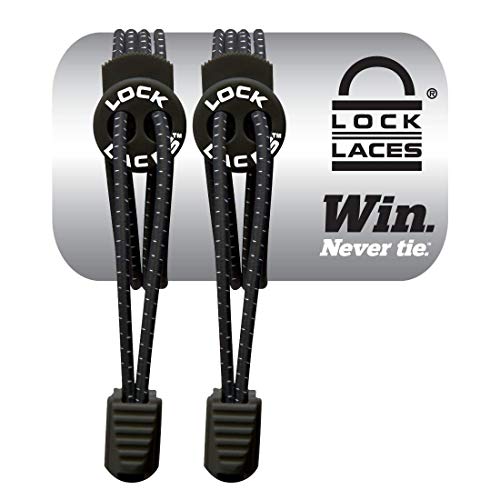
I rely on gear organizers and labeled pouches to separate swim, bike, and run essentials. Clear bags speed up inspections and help me grab items fast. A checklist app on my phone acts as a backup and reminder. I also use elastic race number belts that stay put through all legs, eliminating the need to pin numbers multiple times.
Organizing Gear for Efficiency
I arrange gear in order of use, from swim exit to bike mount and finally run. Grouping items together, such as gloves with helmet and socks with running shoes, speeds transitions. I keep everything compact, avoiding clutter and focusing on essentials to reduce decision fatigue. This structure makes last-minute checks swift and stress-free without forgetting anything important.




Tips for Different Types of Transitions
Mastering each transition requires tailored gear checks. I break down crucial checks for the swim-to-bike and bike-to-run stages to help you move smoothly through the race.
Swimming to Biking Gear Checks
Check your helmet first and place it snugly on your head with the chin strap fastened since safety cannot be compromised. Arrange your cycling shoes, pedals, and sunglasses within easy reach; complexity here slows you down. Confirm your race belt is ready and unfastened for a quick clip-on after mounting your bike. Verify your bike computer settings and hydration pack are properly secured, especially if the course demands high attention. Finally, inspect your wetsuit removal to ensure it’s fully off or pushed down for rapid removal without slowing your bike exit.
Biking to Running Gear Checks
Switching to run gear means you need your running shoes out, laces loosened for quick slip-on. Position socks, if used, near shoes to avoid delays. Grab your hat or visor and race bib for immediate visibility and sun protection. Check your nutrition stash and fluids to grab any last fueling essentials before leaving transition. Double-check that your bike is racked securely before turning your focus to running gear. Lastly, ensure your running watch or GPS is set up and tracking to gauge pacing right from the start.
Preventing Common Mistakes During Transition
Minimizing errors during transitions saves valuable time and keeps your focus sharp on race day. I rely on tested methods to avoid common pitfalls that can disrupt the flow between stages.
Avoiding Forgotten Items
I never leave the transition area without verifying essential items in a checklist order. I start by grouping gear by usage sequence—helmet, shoes, nutrition—then run a quick mental scan. If distractions interfere, I use physical reminders like labeled pouches or colored gear organizers. These help prevent skipping critical items like race belts or eyewear. Consistently rehearsing this routine embeds it into race-day habits, cutting down the chance of forgetting.
Ensuring Proper Gear Functionality
I always test key equipment before race day to avoid surprises. Checking helmet straps for secure fit, ensuring bike shoes clip properly, and confirming running shoes have been broken in are non-negotiable. I inspect nutrition packaging and hydration bottle seals, verifying they’re easy to open and won’t spill. On-site, I perform a final gear functionality check during transition setup to catch any overlooked issues. This diligence ensures each item performs flawlessly under race conditions.
Conclusion
Getting your transition gear right can make all the difference in how smoothly your race day flows. I’ve found that a little prep and smart organization take the stress out of those hectic moments between stages.
By sticking to simple hacks and staying consistent with your checks, you’ll feel more confident and focused when it counts the most. Trust me, those small efforts pay off with faster transitions and a better overall experience.
Keep refining your routine, and soon enough, your transition area will feel like second nature—letting you concentrate on what you love: the race itself.