I remember my first sprint triathlon and the mix of nerves and joy at the starting line. Shorter distances. Big community energy. A course that felt welcoming not overwhelming. If you’re thinking about your first race I’ve got you. The right event can make all the difference.
In this guide I share my top 10 sprint triathlons for beginners. I look for friendly courses supportive volunteers and smooth logistics so you can focus on having fun. You’ll find races with calm swims safe bike routes and upbeat finishes that make you want to sign up again. Let’s pick a start line that fits your pace and your goals.
How We Selected The Races
I applied beginner-first criteria that favor safe swims, simple bike routes, and smooth logistics based on sanctioned standards and published data.
| Criterion | Metric | Threshold | Examples | Source |
|---|---|---|---|---|
| Swim ease | Avg wave height | ≤ 1 ft | lakes, protected bays | NOAA National Data Buoy Center |
| Water temperature | Range | 60–78°F | spring lakes, early-morning starts | USA Triathlon Competitive Rules |
| Sighting | Buoy spacing | 100–150 m | large turn buoys, mid-course buoys | Race athlete guides |
| Bike safety | Elevation gain | ≤ 400 ft over 20 km | flat loops, riverside parkways | Race maps, GPS files |
| Traffic control | Course access | Closed roads or coned lanes | police staffing, marshals | USAT sanctioning guidelines |
| Run support | Aid stations | ≥ 2 over 5 km | water, electrolyte | Athlete guides |
| Field size | Starters | 500–2,000 | wave starts, rolling starts | Past results |
| Cutoffs | Total time | 2.5–3.5 hours | posted finish windows | Race websites |
| Medical cover | On-site care | ALS/BLS teams, AEDs, lifeguards | EMS tents, paddle support | USAT safety plans |
| Newbie support | Services | first-timer waves, clinics | course talks, mentor corrals | Race communications |
| Timing | Splits | chip timing with segment splits | swim, T1, bike, T2, run | Timing partners |
- Favor calm, enclosed water and consistent sighting, if open ocean exposure or long gaps between buoys appear.
- Prioritize flat bike profiles and protected lanes, if steep climbs or mixed traffic show up on maps.
- Verify USAT sanctioning and a current safety plan, if independent races post limited details.
- Score generous cutoffs and larger wave formats higher, if tight time limits or mass starts dominate.
- Check aid frequency and shade on the run, if heat risk or midday start times occur.
- Assess parking capacity and transition flow, if remote shuttles or narrow rack spacing create bottlenecks.
- Review historical weather and water data, if seasonal winds or algae advisories trend upward.
- Request confirmation of lifeguard density and on-water craft, if long swim legs or turns extend offshore.
- Compare incident reports and DNF rates year over year, if abrupt course changes happen.
- Validate newcomer services like clinics and course talks, if many first-timers register.
I relied on USA Triathlon rules and sanctioning guidance for safety baselines, NOAA buoy archives for swim conditions, and official athlete guides for course specifics.
What Makes A Beginner-Friendly Sprint Triathlon
Beginner-friendly sprint triathlons pair calm water, low-stress roads, supported runs, and simple logistics.
- Swim: Flat water reduces anxiety in first races. Lakes or protected bays cut chop and current. Bright sight buoys every 75 to 100 m aid navigation. Wetsuit legal ranges follow USA Triathlon at 78.0°F or below for age group racing. Certified lifeguards and rescue craft increase safety.
- Bike: Low elevation cuts spikes in effort. Full road closures or coned lanes protect riders. Fewer turns cut crash risk. Clear course arrows and marshals at each junction prevent wrong turns.
- Run: Frequent aid boosts comfort. Two or three stations on a 5k give water and electrolyte drink. Shade and soft surfaces reduce heat strain. Split mats and clocks help pacing.
- Logistics: Compact transitions speed flow. Single-day packet pickup reduces stress. Staggered wave starts lower density at the swim and mount line. Medical coverage at finish and on course adds confidence.
- Community: High volunteer counts raise support. Newcomer briefings explain rules like draft zones and blocking. Cheer zones and announcers keep energy high for sprint triathlon beginners.
Key beginner-first targets
| Factor | Target range | Why it matters |
|---|---|---|
| Swim wave height | ≤ 0.5 m | Low chop eases breathing and sighting |
| Water temperature | 60 to 78°F | Wetsuit compatible per USA Triathlon rules |
| Sight buoy spacing | 75 to 100 m | Straight lines for novice sighting |
| Lifeguard density | 1 per 75 to 100 m of line | Faster response for assists |
| Bike distance | 12 to 15 mi | Standard sprint load for beginners |
| Bike elevation gain | 200 to 500 ft | Manageable effort without spikes |
| Protected lanes | Full closure or coned shoulder | Lower traffic stress |
| Bike turns | ≤ 8 total | Fewer technical risks |
| Run distance | 3.1 mi | Standard sprint load for beginners |
| Aid stations on run | 2 to 3 | Hydration every 1 to 1.5 mi |
| Shade on run | ≥ 30% of course | Lower heat strain and HR drift |
| Cutoff time total | 2:30 to 3:00 | Generous window for first timers |
| Volunteer to athlete | 1 to 20 | Timely help at key points |
| Transition layout | Single, compact, flat | Short paths and easy flow |
I align these targets with established guidance. USA Triathlon Competition Rules set wetsuit thresholds and draft zones for age group racing. World Triathlon course standards endorse clear marking, adequate safety personnel, and fair play. ACSM hydration guidance supports stations every 1 to 2 mi in temperate conditions. Local permitting and police plans confirm traffic control for bike safety.
Top 10 Sprint Triathlons For Beginners
I picked beginner-first races that match calm swims, safe bikes, and supported runs. I ranked these by course friendliness, operational reliability, and newcomer services I coach athletes to use.
| Segment | Distance (metric) | Distance (imperial) |
|---|---|---|
| Swim | 750 m | 0.47 mi |
| Bike | 20 km | 12.4 mi |
| Run | 5 km | 3.1 mi |
Chicago Triathlon – Sprint (Illinois)
Chicago Triathlon Sprint delivers a protected lakefront feel with big-city support.



- Swim: Point-to-point in Monroe Harbor with buoyed lanes and heavy lifeguard coverage, kayaks and rescue boards.
- Bike: Flat multi-lap on Lake Shore Drive with full lane protection and clear cones at turns.
- Run: Lakefront path with frequent aid tables every 1–1.5 mi and visible mile markers.
- Logistics: Massive expo and athlete briefings with first-timer waves and gear checks near transition.
- Coaching note: Prioritize sighting practice for harbor glare at sunrise, practice bilateral breathing in chop.
Malibu Triathlon – Sprint (California)
Malibu Triathlon Sprint offers a scenic ocean entry with controlled surf.
- Swim: Ocean start at Zuma Beach with lifeguard towers, rescue skis, and tight buoy spacing.
- Bike: Pacific Coast Highway out and back with marshaled intersections and gentle rollers under 300 ft gain.
- Run: Hard-packed beach path with 2–3 aid stations and cool marine air.
- Logistics: Staggered corrals, ample parking shuttles, and wetsuit peelers near swim exit.
- Coaching note: Train surf entries and dolphin dives, rehearse quick sand-to-bike foot care.
St. Anthony’s Triathlon – Sprint (Florida)
St. Anthony’s Sprint provides a protected Tampa Bay swim and fast Gulf-side roads.
- Swim: Inside Vinoy Basin or alternate harbor line with on-water lifeguards and calm morning water.
- Bike: Urban-flat course with long straights, police-controlled crossings, and light technical load.
- Run: Waterfront out and back with shade pockets and aid tables about every mile.
- Logistics: Robust medical teams, new-to-tri talks, and clear wayfinding inside a compact venue.
- Coaching note: Practice early hydration in warm humidity, use a light aero setup for cross-breezes.
Hyannis Sprint Triathlon (Massachusetts)
Hyannis Sprint features a friendly Cape Cod lake swim and quiet roads.
- Swim: Sandy beach start in calm freshwater with short buoy gaps and beachline sighting.
- Bike: Mostly flat suburban loop with low traffic and limited turns, examples include 90° corners and single roundabouts.
- Run: Neighborhood streets with tree shade and 2 aid spots over 5 km.
- Logistics: Easy parking near transition, clear athlete briefings, and small-wave starts.
- Coaching note: Emphasize high-cadence riding for stop-start corners, rehearse non-wetsuit pacing in warmer lakes.
Tri Santa Cruz – Sprint (California)
Tri Santa Cruz Sprint mixes a cool Pacific swim with protected boardwalk vibes.
- Swim: Pier-side ocean route with inside-the-surf entry, lifeguard boats, and cold water near 58–62 °F.
- Bike: Closed-lane Riverside and West Cliff roads with gentle grades and ocean crosswinds.
- Run: Flat path near the boardwalk with crowd energy and 2–3 aid points.
- Logistics: Rack-by-number transition, quick packet pickup, and clear surf condition updates.
- Coaching note: Use a 3–5 mm wetsuit and thermal cap, practice sighting against pier pilings.
Tempe Triathlon – Sprint (Arizona)
Tempe Triathlon Sprint centers around a controlled lake and spectator-friendly loops.
- Swim: Tempe Town Lake rectangle with abundant kayaks and a no-current profile.
- Bike: Multi-lap city circuit with barricaded lanes and modest bridges, examples include Rural Road and Curry climbs.
- Run: Flat park loops with frequent aid tables and misting on hot days.
- Logistics: Walkable venue, ample parking garages, and beginner clinics during race week.
- Coaching note: Pace heat with a conservative bike start, preload sodium for dry desert air.
Pleasant Prairie Triathlon – Sprint (Wisconsin)
Pleasant Prairie Sprint showcases a calm lake and smooth park roads.
- Swim: Lake Andrea out and back with close buoys and shoreline parallel safety.
- Bike: Flat to gentle rolling parkways with wide shoulders and low technicality.
- Run: Lakeside path with aid about every mile and steady shade segments.
- Logistics: Spacious transition, efficient age-group waves, and clear course flagging.
- Coaching note: Hold even power on the bike to maximize a negative-split run, rehearse quick wetsuit exits.
Boulder Sunset Triathlon – Sprint (Colorado)
Boulder Sunset Sprint pairs a reservoir swim with high-altitude clarity.
- Swim: Boulder Reservoir triangle with plentiful lifeguards and visibly large buoys.
- Bike: Mostly flat farm roads with light rollers and predictable winds.
- Run: Dirt and path mix with 2–3 aid tables and low impact underfoot.
- Logistics: Late-day start near golden hour, compact transition, and on-site parking.
- Coaching note: Adjust pacing for 5,000+ ft altitude, extend warmup to raise HR before the swim.
Mini MightyMan Pool Triathlon (New York)
Mini MightyMan Pool Sprint removes open-water stress with a seeded pool swim.
- Swim: 50 m lane snake in a heated pool at 78–82 °F with deck lifeguards.
- Bike: Short suburban loops with marshals at junctions and simple wayfinding cones.
- Run: Park paths with one aid table and clear turns.
- Logistics: Timed swim starts by seed times, beginner briefings, and very small fields under 500 athletes.
- Coaching note: Seed conservatively to avoid pass traffic, practice flip turns or efficient open turns.
Lake George Triathlon – Sprint (New York)
Lake George Sprint presents pristine freshwater and Adirondack scenery.
- Swim: Sheltered cove start with clear water and tight buoy lines.
- Bike: Rolling terrain with manageable climbs under 500–700 ft total gain and wide shoulders.
- Run: Lakeside out and back with 2–3 aid tables and light shade.
- Logistics: Packet pickup near the beach, racking by number, and strong volunteer density.
- Coaching note: Use slightly lower gearing for short climbs, sight off shoreline trees in clear water.
- USA Triathlon, Competitive Rules and Event Sanctioning, https://www.teamusa.org/USA-Triathlon
- World Triathlon, Competition Rules and standardized distances, https://www.triathlon.org/uploads/docs/World_Triathlon_Competition_Rules_2024.pdf
- Life Time Chicago Triathlon Athlete Guide, https://www.chicagotriathlon.com
- Malibu Triathlon Athlete Guide, https://malibutri.com
- St. Anthony’s Triathlon Athlete Guide, https://satriathlon.com
- Hyannis Sprint Triathlon, https://timeoutevents.com
- Tri Santa Cruz, https://finishlineproduction.com
- Tempe Triathlon, https://www.tempe.gov
- Pleasant Prairie Triathlon, https://pleasantprairietri.com
- Boulder Sunset Triathlon, https://www.withoutlimits.co
- Mini MightyMan Pool Triathlon, https://eventpowerli.com
- Lake George Triathlon Festival, https://www.adktri.org
How To Choose Your First Sprint Triathlon
I match the race to the athlete, not the other way around. I weigh course safety, weather, and support first, then I look at vibe and logistics.
Location And Course Profile
« How to Choose a Triathlon with Easy Logistics: Metrics, Tips, and Checklist
Triathlon Events with Live Tracking: Top Races, Best Apps, Metrics, and Safety Tips »
I pick a sprint triathlon with a calm swim and a simple bike loop. I favor lakes, bays, and pool starts over surf and rivers for a first race. I verify bike elevation and turn count, then I scan the run for shade and frequent aid.
- Pick protected water, for example lakes and coves, when open ocean and fast rivers raise risk for beginners.
- Check swim entries and exits for ramps, mats, and stairs, then confirm lifeguard coverage meets USA Triathlon sanctioning standards. Source: https://www.usatriathlon.org
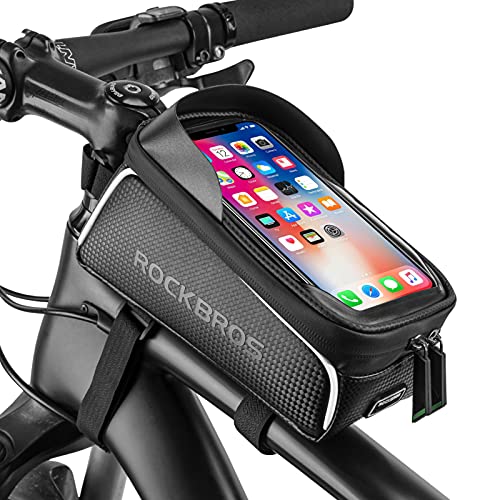
- Verify bike elevation, turns, and lane control using the race map and a GPS file, for example GPX, then compare to the targets below.
- Favor compact transitions near the swim and run, then avoid long runs with a bike.
Recommended beginner-friendly targets
| Segment | Metric | Target | Source |
|---|---|---|---|
| Swim | Wave height | ≤ 0.5 m | NOAA nearshore data: https://www.noaa.gov |
| Swim | Water entry type | Ramp, beach, or pool | USA Triathlon safety briefings: https://www.usatriathlon.org |
| Swim | Buoy spacing | 75–100 m | Race ops best practice, USAT clinics |
| Bike | Elevation gain | ≤ 250 ft per 10 mi | Coach guidance |
| Bike | Turn count | ≤ 12 per 12–15 mi | Coach guidance |
| Bike | Traffic control | Coned lanes or closures | USA Triathlon sanctioning: https://www.usatriathlon.org |
| Run | Aid spacing | Every 1.0–1.5 mi | USAT race ops, World Triathlon aid norms |
Time Of Year And Weather
I time the sprint triathlon for mild air and manageable water temps. I plan equipment and pacing around forecast heat, wind, and currents.
- Pick months with average highs of 60–75°F for comfort, then avoid peak heat per National Weather Service heat guidance. Source: https://www.weather.gov/heat
- Check historical water temps, then confirm wetsuit status using USA Triathlon rules that allow wetsuits when water is < 78°F. Source: USA Triathlon Competitive Rules 4.4: https://www.teamusa.org/USA-Triathlon/USAT-for-Me/Rules
- Watch wind speed and direction on coastal courses, then expect chop and current to rise with onshore winds. Source: NOAA Marine Forecasts
Weather and temperature guide
| Factor | Ideal Range | Why it helps | Source |
|---|---|---|---|
| Air temperature | 55–75°F | Low thermal strain, steady pacing | NWS heat guidance |
| Water temperature | 62–78°F | Safe exposure, wetsuit legal below 78°F | USAT rules |
| Wind speed | < 12 mph | Smoother swim, safer bike handling | NOAA forecasts |
| UV index | < 7 | Lower dehydration risk | EPA UV resources: https://www.epa.gov/sunsafety |
Race Support And Cutoff Times
I look for deep safety coverage and beginner grace on timing. I confirm medical readiness, lifeguard density, and aid frequency.
- Confirm USAT sanctioning, then ask for the safety plan and medical lead contact on site. Source: https://www.usatriathlon.org
- Count lifeguards and rescue craft per 100–150 athletes on the swim, then look for paddle support near turn buoys.
- Check aid stations every 1.0–1.5 mi on the run and at least 1 on the bike, then scan for water and electrolyte options.
- Verify posted cutoffs by leg and overall in the athlete guide, then ask about flexible policies for first-timers at the back of the pack.
- Find on-course communications, for example radios and moto marshals, then confirm a sweep vehicle for each leg.
Support quick-check table
| Item | Benchmark | Notes |
|---|---|---|
| Volunteer ratio | ≥ 1 per 20 athletes | Faster problem response |
| Swim rescue craft | ≥ 1 per 100 athletes | Kayaks, SUPs, boats |
| Bike aid | 1 station minimum | Bottle swap or self-serve |
| Run aid | Every 1.0–1.5 mi | Water, electrolytes |
| Posted cutoffs | Transparent by leg | Grace window for beginners |
Community And Event Vibe
I choose a sprint triathlon that celebrates first-timers. I look for coaching touches, clear communication, and a supportive crowd.
- Seek first-timer waves and course previews, then attend the briefing the day before.
- Favor races with mentor programs and guided transition tours, then practice the flow during packet pickup.
- Pick events with robust spectator zones and announcers, then expect energy on the run and at the finish.
- Look for post-race food and recovery tents, then connect with local clubs for training partners afterward.
- Scan reviews that mention friendly volunteers, clean signage, and calm starts, then use those signals to reduce race-day stress.
Conclusion
You do not need to be fast to belong here. You just need a start line that fits your vibe and your goals. Pick one race that feels welcoming set a simple plan and let the day teach you. You will surprise yourself.
I still remember the first time I racked my bike and felt that buzz of nervous joy. That feeling is waiting for you too. Keep your focus on safety joy and steady effort. Ask questions say hi to volunteers and soak up the cheers.
When you are ready choose your race sign up and set a date. I will be rooting for you at your finish line.