I love a race that hands me more than sore legs. The right triathlon swag can feel like a high five at the finish line. It can also reveal how much a race values athletes. I’ve chased medals bottles and cozy tees across seasons. Along the way I learned what signals a stash worth sweating for.
In this guide I’ll show you how I spot great gear before I click register. We’ll look at clues in race photos and sponsor lists and past athlete reviews. We’ll talk about value not clutter and how fit and function beat flashy extras. If you want a bag that lasts and a medal you’ll wear then you’re in the right place.
How To Choose A Triathlon With Good Swag
Choose a triathlon with good swag by matching race promises with verified athlete outcomes. Choose function and durability over novelty, if options create tradeoffs.
- Research race pages and athlete guides. Check the swag list, expo details, and partner brands on official pages and PDFs, for example USA Triathlon sanctioned calendars, IRONMAN Athlete Guides, and Challenge Family race guides (USA Triathlon, IRONMAN, Challenge Family).
- Scan social feeds and finisher photos. Look for clear shots of bags, shirts, medals, and hats, for example drawstring backpacks, tech tees, spinner medals, and trucker caps.
- Compare sponsor tiers and logos. Favor technical partners that make gear, for example Roka, Zoot, BOCO, and Nathan.
- Verify past year reports. Read race recaps on forums and club sites, for example Slowtwitch threads, local tri club blogs, and Facebook groups.
- Inspect shirt specs and cuts. Prefer tech fabric, gendered cuts, and real sizes, if cotton or one‑size photos appear.
- Assess bag quality. Favor zippered pockets, thick straps, and reinforced bottoms, if thin cinch sacks dominate images.
- Evaluate medal build. Prefer metal, clean engraving, and strong ribbon stitching, if plastic coatings or peeling paint show up.
- Check expo footprint. Look for multiple booths, demo stations, and on‑site customization, for example hat patches and laser engraving.
- Confirm fulfillment process. Ask if late packet pickup or mail options exist, if travel or work limits expo time.
- Contact the race director. Request the swag lineup and the vendors list, if public info looks vague.
- Prioritize usable items. Target gear that supports training, for example insulated bottles, race belts, and recovery socks.
- Plan registration timing. Lock in tiers that include premium swag or VIP pickup, if inventories run down near sellout.
- Cross check sanction and standards. Prefer sanctioned events that follow equipment and safety guidelines, which often align with stronger sponsor support and consistent athlete services (USA Triathlon).
Sources: USA Triathlon Sanctioned Events and Rules, IRONMAN Athlete Guides, Challenge Family Event Guides, Slowtwitch Race Reports.
What “Good Swag” Really Means
Good triathlon swag boosts training and race-day comfort. I look for gear that adds performance value and lasts beyond one event.
Useful Over Novelty
- Choose apparel with technical fabric like moisture management shirts and running hats for sunny courses. Examples include poly blends and mesh caps.
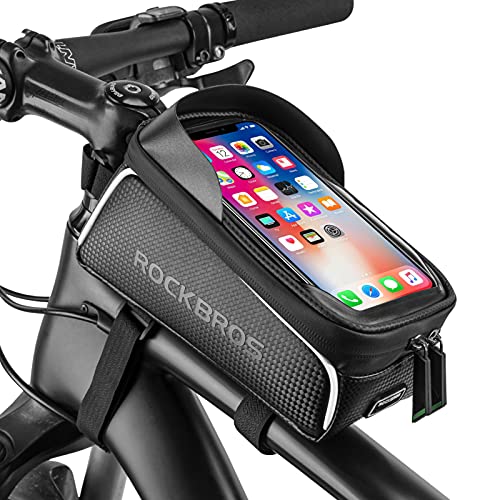
- Favor carry gear like transition backpacks and wet bags for post swim storage. Examples include 25 L packs and roll-top dry sacks.
- Skip trinkets like keychains and bulky flyers that add no training utility. Examples include bottle openers and paper coupons.
- Verify hydration items like squeezable bottles and collapsible cups for reuse. Examples include 650 ml bottles and silicone cups.
Quality, Fit, And Durability
Quality triathlon swag uses tested materials and accurate sizing. I match spec sheets to standards when races list details.
- Check fabric performance against recognized tests if the page lists them. Examples include AATCC TM195 for moisture and ASTM D4966 for abrasion.
- Confirm food contact safety for bottles under FDA 21 CFR. Examples include BPA free claims and dishwasher safe marks.
- Look for UPF labeling under ASTM D6603 on sun gear for real UV protection. Examples include UPF 30 and UPF 50 tags.
- Request sizing charts with gender specific cuts for better fit. Examples include women’s race fit tees and men’s relaxed cuts.
| Item | Spec to review | Target metric | Why it matters | Source |
|---|---|---|---|---|
| Tech shirt | Fabric weight | 135–170 gsm | Balances breathability and opacity | AATCC TM195 moisture management |
| Tech shirt | Fiber blend | 65–100% polyester | Improves wicking and dry time | AATCC TM195 moisture management |
| Hat or visor | UPF rating | UPF 30–50 | Reduces UV exposure on long courses | ASTM D6603 labeling |
| Transition bag | Volume | 20–30 L | Holds swim bike run kits without bulk | USAT race day packing guidance |
| Transition bag | Fabric denier | 300–600D polyester | Resists abrasion from racks and pavement | ASTM D4966 abrasion |
| Zippers | Hardware brand | YKK or SBS | Low failure rate under load | Manufacturer reliability data |
| Bottle | Capacity | 500–750 ml | Fits standard cages and aids hydration | FDA 21 CFR food contact |
| Bottle | Material claim | BPA free PET or LDPE | Avoids bisphenol A exposure | FDA 21 CFR food contact |
| Medal | Weight | 100–150 g zinc alloy | Feels substantial and lasts in display | Event spec sheets |
| Ribbon | Width | 38–50 mm | Sits flat in finisher photos | Event spec sheets |
I connect swag quality to race credibility when I assess events. USA Triathlon sanctioned races track sponsor compliance and athlete services which often aligns with better swag fulfillment per USAT event standards and athlete guides. Sources include AATCC TM195, ASTM D4966, ASTM D6603, FDA 21 CFR, and USA Triathlon athlete guide pages.
Key Criteria For Evaluating Triathlon Swag
I weigh swag on utility, durability, and sponsor credibility. I verify specs against standards before I register.
Apparel Quality And Sizing
- Pick technical fabrics that manage heat and sweat, if the label lists 120–160 GSM knit and moisture wicking claims.
- Pick UPF 30+ sun protection for outdoor runs and expos, if the tag cites AS/NZS 4399 or ASTM D6603.
- Pick flatlock seams and raglan sleeves for mobility, if the product page shows seam construction photos.
- Pick graded size charts XS–XXL with chest and waist in inches, if the sheet shows tolerance of ±0.5 in.
- Pick women’s and men’s cuts with length details, if the brand includes torso and sleeve measurements.
- Cite UPF and fiber facts from brand tech sheets and standards bodies, if I want verifiable claims (ASTM, AS/NZS).
Practical Gear And Post-Race Perks
- Prioritize transition backpacks with 420–600D nylon, YKK size 5+ zippers, and wet gear compartments, if the spec lists liters 28–35.
- Prioritize soft flasks and bottles that state BPA free and FDA food contact compliance, if the base shows material codes 1 or 5.
- Prioritize finisher medals with zinc alloy and ribbon width 1.5 in, if the race gallery shows closeups of edge quality.
- Prioritize recovery tents with ice, sodium options, and shade, if the athlete guide lists service partners.
- Reference athlete service standards in USAT sanctioned events, if I want consistent post race logistics (USA Triathlon).
Sponsor Value And Brand Variety
- Favor technical sponsors that supply on course products, if the partner list names bike, run, and nutrition brands like Shimano, HOKA, and Maurten.
- Favor tiered sponsors that activate at the expo with demos, if the map shows 20+ vendor booths.
- Favor prize tables that include discount codes and service vouchers, if the email confirms codes valid 60–90 days.
- Verify conflicts of interest and sampling permissions, if the athlete guide lists on course nutrition SKUs and allergens.
- Align swag value with sanctioning and medical plans, if the event page displays USAT sanction status and EMT staffing.
Sustainability And Ethical Sourcing
- Choose apparel with OEKO TEX Standard 100 or bluesign, if the care tag shows certification IDs.
- Choose recycled polyester 30–100 percent with GRS scope numbers, if the spec sheet names yarn suppliers.
- Choose paper goods with FSC mix or recycled marks, if the bib envelope and flyers carry chain of custody IDs.
- Choose factories with ISO 14001 and Fair Trade Certified audits, if the vendor profile links to audit years.
- Cite green marketing claims per FTC Green Guides, if the race copy uses terms like eco or sustainable.
| Item type | Key spec | Numeric target | Source or standard |
|---|---|---|---|
| Tech shirt | Fabric weight | 120–160 GSM | Brand tech sheets |
| Tech shirt | Sun protection | UPF 30+ | ASTM D6603, AS/NZS 4399 |
| Transition bag | Fabric denier | 420–600D | Brand spec pages |
| Transition bag | Capacity | 28–35 L | Brand spec pages |
| Zippers | Size rating | #5 or higher | YKK tech data |
| Bottle | Material code | 1 PET or 5 PP | FDA food contact |
| Medal ribbon | Width | 1.5 in | Event spec sheets |
| Sustainability | Recycled content | 30–100 percent | GRS certification |
| Factory | Environmental mgmt | ISO 14001 | ISO registry |
| Event | Sanction status | USAT sanctioned | USA Triathlon |
I cross check every claim against the athlete guide, brand tech pages, and recognized standards, if a race markets premium swag.



Researching Races For Swag Intel
I research triathlon swag like I scout courses. I track verifiable signals across official pages, athlete content, and unboxings.
Official Race Pages And Past Photos
I start with official sources before I scan social intel.
- Check race sites for promised items with specs, examples include tech shirt fabric and bag size.
- Check athlete guides for packet pickup details with quantities, examples include shirt cut counts and medal distribution.
- Check sponsor rosters for technical brands, examples include apparel partners and hydration partners.
- Check photo galleries for close-ups, examples include shirt tags and medal backs.
- Compare yearly pages across 2 to 3 editions for consistency, constraints apply if the race rebranded.
- Confirm USAT sanction status on the USA Triathlon calendar, constraints apply if the event runs independent.
Authoritative sources: USA Triathlon event calendar and sanction database, IRONMAN Athlete Guides, Challenge Family event pages.
Athlete Recaps, Forums, And Social Media
I validate claims by cross-referencing athlete evidence.
- Search race-year hashtags for finish-line photos, examples include #IM703City and #TriNameYear.
- Filter posts for daylight swag shots with natural light, examples include flat lays and locker-room pics.
- Read long-form race recaps on Slowtwitch and Reddit r/triathlon, examples include gear lists and expo notes.
- Flag mismatches between promised kits and received kits, examples include cotton shirts and downgraded bags.
- Track multiple reports across 3 to 5 athletes for pattern matching, constraints apply if the field is small.
Authoritative references: Slowtwitch Forum race reports, Reddit r/triathlon megathreads.
Unboxing Videos And Community Groups
I use unboxings to verify materials and finishes.
- Find 1080p unboxings on YouTube for tag reads, examples include GSM labels and UPF marks.
- Pause frames on seams and zippers for quality cues, examples include bartacks and YKK marks.
- Ask local tri club groups for firsthand photos, examples include club Slack and Facebook Groups.
- Log model names from hydration bottles and hats for spec checks, examples include BPA-free marks and UPF ratings.
- Cross-check brand specs on manufacturer sites for validation, constraints apply if the race used overstock.
Authoritative references: Manufacturer spec pages from ASICS, Nike, BOCO Gear, Specialized, Purist.
| Source type | What I verify | Numeric cues |
|---|---|---|
| Official page | Fabric and build language | 120 to 160 GSM for tech tees, UPF 30 to 50, 18 to 25 L for backpacks |
| Athlete guide | Packet logistics and quantities | Size runs XS to XXL, pickup hours 2 to 4 blocks, expo map 20 to 40 vendors |
| Photo gallery | Material tags and finishes | 90%+ polyester blends, flatlock seams 4 to 6 SPI |
| Social recap | Consistency across athletes | 3 to 5 matching reports, same-year images |
| Unboxing video | Hardware and print | YKK zips, double-needle hems, dye-sub prints |
| Brand specs | Safety and materials | BPA-free Tritan bottles, recycled content 30% to 50% |
Balancing Cost, Perks, And Race Experience
I balance entry price, tangible perks, and on-course support before I register. I anchor that balance to verified race pages, athlete guides, and sanctioning details.
Registration Fees Vs. Swag Value
I map fee tiers to included swag, then I verify the fine print on the current registration page and athlete guide.
| Race type | Typical entry fee range USD | Common swag and perks | Source |
|---|---|---|---|
| Sprint | 80–180 | Tech tee, drawstring bag, finisher medal | USA Triathlon sanctioned event listings, 2024–2025 (https://www.usatriathlon.org) |
| Olympic | 120–220 | Tech tee, tote or backpack, medal, on-course sports drink | USA Triathlon sanctioned event listings, 2024–2025 (https://www.usatriathlon.org) |
| 70.3 branded | 350–475 | Premium tee, finisher hat, backpack, medal, athlete tracking app | IRONMAN registration info, 2024–2025 (https://www.ironman.com/ironman-registration-information) |
| 140.6 branded | 700–925 | Premium tee, finisher jacket or hat, backpack, medal, athlete tracking app | IRONMAN registration info, 2024–2025 (https://www.ironman.com/ironman-registration-information) |
- Compare: Fee tier, swag list, and size run accuracy on the current registration portal
- Compare: Fabric specs for shirts like 120–160 gsm polyester or blends and UPF ratings like UPF 30 on the swag page or athlete guide
- Compare: Bag construction like 600D polyester base, YKK zippers, stitched seams stated by the organizer or sponsor brand page
- Verify: USAT sanctioning status on the event listing before you value the package higher, since sanctioning links to standardized operations and insurance (https://www.usatriathlon.org)
- Verify: Sponsor tier fit like hydration partner on-course and apparel partner named on the shirt tag, since technical partners raise real value
- Prioritize: Usable items like transition backpacks, sun hats, and bottles over trinkets like keychains and stickers, since utility drives long term value
I confirm that free deferral, tiered pricing windows, and VIP bundles change net value, then I lock my comparison to the exact tier I plan to buy.
Expo, Packet Pickup, And Post-Race Amenities
« Iconic Half-Ironman Races to Try: Top 70.3 Courses, Tips, and How to Pick Yours
Best Coastal Triathlon Races Worldwide: Top Oceanfront Courses, Pro Tips & Travel Guide »
I gauge race experience by operational touchpoints that affect athlete flow, then I match them to the swag promise.
- Check: Packet pickup hours across 2–3 windows like Friday evening and Saturday midday on the athlete guide, since spread reduces crowding
- Check: ID requirements and membership rules on USAT guides, since photo ID and annual or one day license get enforced at pickup (https://www.usatriathlon.org/rules)
- Check: Bib assignment method like dynamic or preassigned and QR scanning at check in, since fast scanning cuts line time
- Inspect: Expo footprint like vendor count 15–50 and presence of core categories like wetsuits, bikes, nutrition, recovery, since variety signals sponsor strength
- Inspect: On-course product alignment like the same drink mix at aid stations and in expo samples, since stomach training needs product consistency
- Confirm: Gear check capacity like numbered racks and posted cutoff times, since secure flow protects bags and swag
- Confirm: Photo delivery terms like free digital downloads or paid packages stated in the guide, since free photos add quantifiable perk value
- Evaluate: Finish chute services like ice towels, shade tents, and medical staffing ratios posted by the organizer, since recovery comfort matters
- Evaluate: Post race food content like protein 15–25 g, carbs 40–80 g, and sodium 400–800 mg per plate listed by the caterer or guide, since nutrition speeds recovery
- Ask: Expo recycling details like textile bins and bottle stations, since sustainability claims gain weight when processes exist
I cross reference these operations with last year athlete guides and recap posts, then I rate the race on a simple matrix of price, perks, and flow to decide.
Regional And Seasonal Factors
I match race swag to place and time. I look at region, season, and course demands.
Destination Races Vs. Local Gems
Destination races favor scale and uniqueness. I see large sponsor booths, branded luggage tags, and travel-friendly kits at big hubs like Kona and Nice. I see customs-safe items, compact bottles, and flat pack apparel at international events due to shipping rules and import timelines. I see location-first souvenirs like coffee blends, sea salt, and local snacks at coastal venues. I see airport-safe goodies like TSA-sized sunscreen and collapsible cups near major gateways. I source proof in published athlete guides and expo maps from race organizers and national federations like USA Triathlon.
Local gems favor community and practicality. I see small batch apparel, brewery vouchers, and farm snacks at regional races. I see quick pickup, on-site sizing swaps, and direct vendor warranties at hometown expos. I see service partners like bike shops, PT clinics, and roasters add useful vouchers that cut training costs. I cross-check sponsor lists, past year photos, and guide PDFs for verification.
Budget and logistics shape outcomes. I map swag tiers to registration caps, expo footprints, and shipping distances. I confirm claims in athlete communications, USAT sanction listings, and posted schedules.
Weather-Driven Swag Differences
Weather-driven swag matches expected conditions. I anchor choices to climate normals, UV forecasts, and heat index data from NOAA and EPA.
- Heat kit examples
- Cooling towels, ice-friendly soft flasks, and ventilated caps reduce thermal load in hot starts per heat stress guidance from NOAA and NWS.
- UPF 50 shirts, mineral SPF 30 sticks, and polarized visors manage high UV periods per EPA UV Index and ASTM UPF labeling.
- Cold kit examples
- Thermal beanies, fleece buffs, and touchscreen gloves add practical warmth in morning lows per NOAA normals.
- Midweight long-sleeve tech tops, wool socks, and insulated bottles protect during cold rain or wind.
- Wet kit examples
- Dry bags, seam-taped ponchos, and anti-fog wipes support humid or rainy forecasts.
- Quick-dry shirts, silicone swim caps, and hydrophobic bags keep weight down in persistent moisture.
- High-altitude kit examples
- SPF lip balm, larger bottles, and nasal saline packets help in thin air and high UV at elevation per EPA and USAT altitude guidance.
- Packable wind vests, thermal arm sleeves, and amber lenses cover rapid temperature shifts on mountain courses.
I use the table to map season to useful swag, then I verify specs against brand labels and standards like ASTM D6603 for UPF claims.
| Condition | Temp range F | UV index | Humidity % | Useful swag features |
|---|---|---|---|---|
| Summer inland | 80 to 95 | 7 to 10 | 30 to 50 | UPF 50 shirts, cooling towels, 620 to 710 ml insulated bottles |
| Summer coastal | 70 to 85 | 6 to 9 | 60 to 85 | Quick-dry hats, anti-chafe sticks, salt caps sample packs |
| Shoulder season | 55 to 70 | 3 to 6 | 40 to 70 | Lightweight long sleeves, packable vests, microfiber towels |
| Winter mild | 40 to 55 | 1 to 3 | 40 to 80 | Thermal beanies, fleece buffs, insulated mugs |
| Mountain high | 45 to 75 | 8 to 11 | 20 to 40 | High UPF caps, wind shells, 710 to 950 ml bottles |
I cite NOAA Climate Normals for temperature and humidity, EPA UV Index for UV categories, and ASTM for apparel labeling standards. I cross-check race week forecasts 72 hours out, then I compare to prior-year finisher photos and the athlete guide gear list for consistency.
Red Flags And Expectations To Manage
I track swag promises like I track splits. I set clear expectations early to avoid race-week surprises.
Vague Promises Or Last-Minute Changes
I spot vague language fast because vague language hides risk. I read the registration page, the athlete guide, and the most recent email together. I flag phrases like TBD, subject to change, and while supplies last. I compare mockups to specs, for example fabric weight, UPF rating, zipper type. I match sponsor logos to actual product lines, for example hydration brand models and bag SKUs.
- Scan official athlete guides for specific SKUs and care labels, then cross-check photos from last year on social feeds. See IRONMAN event athlete guides for reference, ironman.com.
- Compare registration copy to the athlete guide, then note any change-control language. See USA Triathlon sanctioning standards for event operations scope, teamusa.org/usa-triathlon/events/sanctioning.
- Confirm finalization dates for shirt orders, medal production, and bag fulfillment, then set your expectation to that timeline.
- Check expo maps and vendor lists for product demos, then expect substitutions if a sponsor drops.
- Ask the race director for material specs and supplier names, then request equal-value alternatives if a swap occurs.
- Document promises with screenshots and dates, then reference them if a dispute arises. See FTC truth-in-advertising guidance, ftc.gov/business-guidance.
I expect minor swaps in cases like freight delays or safety changes. I expect equal function, equal value, and clear notice if that happens.
Hidden Fees Or Pay-To-Upgrade Swag
I look for add-on funnels because add-ons distort value. I read the cart line items, the onsite pricing sheet, and the post-race email store.
- Identify processing fees, onsite pickup fees, and shipping fees, then compare the all-in cost to the swag list.
- Spot VIP or premium bundles, then verify what upgrades actually change, for example fabric, size range, embroidery.
- Verify exchange rules for shirts and bags, then plan sizing with the stated chart.
- Confirm replacement fees for lost tickets and wristbands, then keep barcodes handy at pickup.
- Track deferral and transfer policies that affect swag eligibility, then align expectations with the policy window. See IRONMAN registration policies in event guides, ironman.com.
- Favor transparent pricing on sanctioned events, then report deceptive claims through USAT channels if needed, teamusa.org/usa-triathlon.
Typical upgrade and fee patterns I see across triathlon registrations and expos
| Item or upgrade example | What changes | Typical range USD | Where it appears |
|---|---|---|---|
| VIP packet line | Early pickup, lounge access, premium tote | 25–100 | Cart add-on |
| Premium shirt option | Fabric upgrade, alternate cut, extra sizes | 10–30 | Cart add-on or expo |
| Transition bag upgrade | Larger volume, coated fabric, extra pockets | 30–90 | Expo booth |
| Medal personalization | Name plate engraving | 10–20 | Post-race order |
| Processing fee | Platform and payment cost | 5–9% | Checkout |
| Shipping for virtual or missed pickup | Mail-out of swag | 10–25 | Post-race email |
I keep the triathlon swag goal clear. I choose upgrades that help training, for example technical shirts, durable bags, sun-safe hats, and I skip vanity add-ons that add cost without function.
Conclusion
I treat great swag as a bonus that supports the joy of racing. If it helps me train safer and race happier I am in. If it feels like clutter I pass. That simple filter keeps my choices stress free.
I also trust my gut. If a race looks proud of what it gives athletes I pay attention. If details feel fuzzy I slow down. My time and money matter so I act like it.
After I register I keep notes on what worked and what did not. I share a few photos and honest thoughts to help the next athlete. We all win when good gear meets a great day on course.