I chase finish lines after dark. Night triathlons turn familiar courses into electric adventures. In 2025 the scene is bigger brighter and safer. I’m rounding up the best races that mix glowing swim buoys neon bike lanes and festival vibes. If you love cooler temps and starry skies you’ll feel right at home out there.
I focus on course quality community energy and smart logistics like lighting aid timing and cutoff management. Expect picks for beginners and PR hunters plus destination races worth a weekend. I also share insider tips on gear lights pacing and recovery so you can thrive after sunset. Charge your headlamp and cue the playlist. Your next night finish is closer than you think.
What Makes Night Triathlons Different in 2025
Night triathlons differ in 2025 through upgraded lighting, stricter rules, and smarter pacing.
| Element | 2025 typical value | Example context | Source |
|---|---|---|---|
| Swim sighting aids | 200 to 400 lumen beacons | Lit buoys on 50 to 100 yd spacing | World Triathlon Rules, equipment visibility (triathlon.org) |
| Bike lane illumination | 10 to 20 lux supplemental light | Coned edges with LED sticks | IES roadway lighting practice (ies.org) |
| Wave size | 50 to 100 athletes | Rolling starts by predicted time | World Triathlon Rules, start procedures (triathlon.org) |
| Core temp drop | 0.5 to 1.0 F in first mile of run | Cooler night air | ACSM heat guidance (acsm.org) |
| Peak alertness window | 8 pm to 10 pm local | Late evening starts | Frontiers in Physiology, circadian performance (frontiersin.org) |
Lighting and visibility
- Expect brighter, layered course lighting across swim, bike, and run. Expect glowing buoys, lane edge LEDs, and finish arch floods for clear wayfinding.
- Use a 500 to 800 lumen bike light with a 200 to 400 lumen helmet light for depth perception. Use a 100 to 200 lumen chest light for the run when the course uses low lux edges.
- See reflective standards baked into bibs, ankle bands, and bike stickers. See marshals check red rear lights on bikes before mount lines. (World Triathlon Competition Rules, USA Triathlon Competitive Rules)
Course design and flow
- Expect wider bike lanes at pinch points, chicanes, and turns. Expect cones, paint, and LED wands to define apexes on 90 degree corners.
- See rolling starts for swims on narrow ramps. See wave gaps of 2 to 3 minutes to reduce churn and draft packs.
- Plan passing on lit straights, not on shadowed curves. Plan head checks before every overtake due to glare from oncoming lights.
Safety and officiating
- Expect enhanced pre race checks on brakes, bar end plugs, and lights. Expect penalties for non compliant lighting. (World Triathlon, USAT)
- Use reflective gear on moving joints like ankles and wrists for optic flow. Use two lighting points on the bike for redundancy.
- See more course marshals at intersections, turns, and aid zones. See radio linked teams coordinate neutral support vehicles. (World Triathlon Technical Officials)
Pacing and physiology
- Expect slightly faster bike splits from cooler air and lower thermal strain. Expect no free speed if wind rises after sunset. (ACSM)
- Use a small negative split on the run across miles 2 to 4. Use rate of perceived exertion since watches can misread HR in cold skin.
- Plan caffeine timing 45 to 60 minutes pre start for evening races. Plan a hard cutoff by midnight to protect sleep after the finish. (Sleep Foundation, Frontiers in Physiology)
Gear and tech updates
- Expect broader ANT plus and BLE light control from head units for flash patterns. Expect incident detection to trigger strobes on sudden decel.
- Use clear lenses or light amber lenses for the bike. Use no tint for the run unless the course floods glare.
- See GNSS with multi band boost in tree cover and urban canyons. See wrist lights, clip beacons, and ankle reflectors as standard kit.
Nutrition and hydration


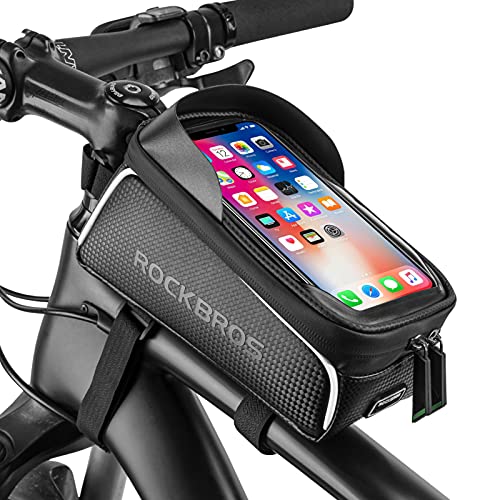
![Lamicall Bike Frame Bag Waterproof - [1s Release] [2 in](https://m.media-amazon.com/images/I/41WyOmmNsYL._SL500_.jpg)

- Expect lower sweat rates than noon races, yet expect salt loss on humid nights. Expect smaller bottle counts per hour on the bike. (ACSM hydration consensus)
- Use a carb rich meal 3 to 4 hours pre start, then use a 20 to 30 g gel 10 minutes pre swim. Use 60 to 90 g carbs per hour on the bike for half distance. (IOC consensus, ACSM)
- Plan sodium at 300 to 600 mg per hour in hot nights. Plan caffeine at 1 to 3 mg per kg total for the race window. (ISSN position stand)
Logistics and community energy
- Expect staged lighting in transition with numbered light towers. Expect high contrast mats at mount and dismount lines for depth cues.
- Use bright colored bags for gear sorting in low light. Use a headlamp for pre race set up, then stash it in T1.
- See live tracking improve with better night cell performance in cooler temps. See finish zones feature DJs, LED arches, and photo walls that amplify the night vibe.
Environmental factors
- Expect wildlife movement to spike near water at dusk. Expect race briefings to flag local patterns and buffer zones. (US National Park Service advisories)
- Use anti fog on lenses due to dew after sunset. Use a light shell in T2 if the temp drops more than 10 F during the run.
- Plan anti glare strategies on wet pavement after late showers. Plan tire pressure 2 to 4 psi lower on slick roads for grip.
Training implications
- Expect key sessions in the evening across the final 4 to 6 weeks. Expect brick runs after dark for light management practice.
- Use sighting drills with dark caps and lit buoys in open water. Use bike skills in low light like cornering and emergency stops in empty lots.
- Plan sleep banking with 30 to 60 extra minutes on weekdays before race week. Plan blue light limits after the race to speed recovery. (Sleep Foundation)
- Expect neon edge lanes on flat coastal loops like boardwalk segments. Expect reflective trail markers on mixed surface parks.
- See glowing turn buoys on protected harbors, lakes, and canals. See lantern lit run paths through campuses, stadiums, and waterfronts.
Our Criteria for Ranking the Best Night Triathlons for 2025
I use a weighted model to score the best night triathlons for 2025 based on measurable race factors, event records, and independent rules.
| Criterion | Weight % | Key metrics |
|---|---|---|
| Course Lighting | 20 | 50 to 150 lux on run paths, uniformity ≥ 0.3, generator redundancy 2N |
| Swim Safety | 15 | Sighting aids every 50 m, kayak ratio 1 per 20 athletes, on-water ALS crew |
| Bike Control | 15 | Lane width ≥ 3 m, marshal density 1 per 0.3 mi, no-cross traffic plans |
| Medical Coverage | 10 | ALS at T1 and T2, on-course roving medics, hospital within 10 mi |
| Logistics Flow | 10 | Wave starts ≤ 150 athletes, check-in windows across 2 to 4 hours, gear flow maps |
| Athlete Outcomes | 10 | DNF rate ≤ 5%, median bike speed vs day events, incident rate per 1,000 |
| Timing and Tech | 8 | Chip redundancy, live splits at T1 T2 finish, LED arch visibility |
| Community Energy | 6 | Spectator zones every 0.5 mi, noise rules compliance, volunteer count |
| Environmental Factors | 4 | Temp 55 to 72°F at start, wind ≤ 12 mph, AQI ≤ 50 |
| Sustainability | 2 | Waste diversion ≥ 70%, refill stations, course reusables |
Lighting: Course lighting defines night triathlon safety and speed, per USAT Race Director guidelines and ITE lighting practices (USA Triathlon, ITE). Lighting targets cover paths with 50 to 150 lux for footing and visibility. Lighting uniformity stays at or above 0.3 for even sight. Lighting backups use 2N generators for continuity.
Swim: Swim safety anchors the ranking, per World Triathlon and USAT open water standards (World Triathlon, USA Triathlon). Swim sighting buoys sit every 50 m for line control. Swim staffing meets 1 kayak per 20 athletes and includes ALS on water. Swim exits use floodlights and carpeted ramps.
Bike: Bike control reduces risk in low light, per local traffic control plans and USAT rules. Bike lanes measure at least 3 m with clear cones and reflective tape. Bike marshals appear every 0.3 mi with radios. Bike intersections run full closures or police holds.
Medical: Medical coverage prioritizes night conditions, per event EMS plans. Medical teams stage ALS at T1 and T2 with roving medics on bike and run. Medical transport times stay under 15 minutes to a hospital within 10 mi.
Logistics: Logistics flow trims stress at night start times. Logistics use small waves of 100 to 150 athletes with call-ups by bib. Logistics provide 2 to 4 hour check-in windows to fit workdays. Logistics maps show bag drops, parking, and exits.
Outcomes: Athlete outcomes validate course claims with data. Outcomes track DNF rate at or below 5% by distance, for example sprint and Olympic. Outcomes compare median bike speeds vs local day races for cooling effects. Outcomes log incidents per 1,000 athletes for trend checks.
« Triathlon Race Day Tips from Organizers: Pro Secrets for a Smooth, Fast Finish
Best Triathlon Races for Spectators: Top Fan-Friendly Events with Electric Atmospheres »
Timing: Timing and tech maintain fairness after dark. Timing mats cover swim exit, T1, bike split, T2, finish. Timing chips include redundancy on ankle and bib. Timing displays use high contrast LED arches for night visibility.
Community: Community energy sustains effort through dark sections. Community zones sit every 0.5 mi with light towers and music within noise rules. Community volunteers exceed 1 per 6 athletes across course roles.
Environment: Environmental factors shape pacing and safety, per NOAA and AQI data. Environment targets start temps of 55 to 72°F with wind at or below 12 mph. Environment avoids AQI above 50 for respiratory comfort.
Sustainability: Sustainability practices protect venues under night operations. Sustainability uses refill stations and bans single use cups. Sustainability reports waste diversion at or above 70% post race.
Verification: Verification pulls from permits, traffic plans, medical MOUs, and timing proofs. Verification cross checks athlete guides, past results, and sanctioning status with USAT or World Triathlon. Verification validates sunset and civil twilight with NOAA tables.
Sources: USA Triathlon Competitive Rules, World Triathlon Competition Rules, NOAA Solar Calculator, ITE lighting guidance for pedestrian facilities.
The Best Night Triathlons for 2025: Top Picks
I ranked these night races using the weighted model from the previous section, prioritizing lighting, swim safety, bike control, and logistics. I focused on courses that run fully or largely after dark, pack strong community energy, and post reliable results.
Best for Beginners
TriYAS, Yas Marina Circuit, Abu Dhabi, UAE
- Start here for smooth logistics, then add distance once you’ve banked confidence. The circuit runs under floodlights with wide tarmac, clear sight lines, and easy navigation, supported by Gulf MultiSport’s experienced crew and medical teams. Source: Yas Marina Circuit, TriYAS event pages.
- Choose Sprint or Super Sprint formats for manageable pacing and calm waters, since the sheltered marina reduces chop and aids straight sighting. Sources: Yas Marina Circuit, Gulf MultiSport.
- Expect clear rules and visible marshals across transition and bike mount lines, which cuts errors for first-timers. Sources: Yas Marina Circuit, Gulf MultiSport.
- Plan for mild evening conditions and stable wind on the infield, while hydrating for desert dryness. Sources: UAE climate summaries, event guides.
Sources: https://www.yasmarinacircuit.com/ and https://www.gulfmultisport.com/
Best for PR Chasers
Midnight Man Triathlon, Dartford, UK
- Target fast splits on a flat, closed-road loop that favors steady aero position and even power, validated by repeat layouts and historical results. Source: Midnight Man race information.
- Pace by lap and time gap, because the multi-lap format and low elevation support negative splits and clean passing. Source: Midnight Man course notes.
- Use simple lighting on the bike and a bright run chest light, since reflective marking and marshals supplement your beam pattern. Source: Midnight Man athlete guide.
- Dial nutrition for cool evening temps, then add caffeine for late-race alertness if you tolerate it. Sources: Practical sports nutrition texts, race communications.
Source: https://www.tzruns.com/midnightman-triathlon/
Best Scenic Course
Kalmar Mini Tri, Kalmar, Sweden
- Race through a lit city center with big crowds, music zones, and waterfront views that elevate focus after sunset, supported by municipal road closures. Source: Kalmar Mini Tri organizer pages.
- Navigate a short, spectator-dense loop that keeps you within constant support, which helps newer night racers maintain rhythm. Source: Kalmar Mini Tri information.
- Leverage cool Baltic evening air for efficient run pacing, then keep layers handy for post-race recovery. Sources: Swedish climate data, event notes.
- Capture high-contrast visuals across bridges and harbor lights that double as easy landmarks for sighting. Source: Kalmar Mini Tri descriptions.
Source: https://minitri.se/
Best Destination Race
IRONSTAR Sochi Night, Sochi, Russia
- Race under lights in the Olympic Park with flat, fast asphalt and precise course fencing, backed by dense volunteer coverage. Source: IRONSTAR Sochi event pages.
- Book a long weekend for coastal routes, mountain backdrops, and reliable transport between venues via resort infrastructure. Sources: IRONSTAR logistics pages, Sochi tourism.
- Plan heat management with pre-cooling and bottle rotation, because subtropical humidity can lift late-evening RPE. Sources: Event athlete guide, regional climate references.
- Expect chip timing, stacked medical, and visible moto officiating that keep night racing orderly. Source: IRONSTAR race manuals.
Source: https://iron-star.com/
Best Budget-Friendly Event
GO TRI Night-Friendly Local Events, UK
- Enter short-format triathlons priced for access, run by British Triathlon partners with frequent evening scheduling. Source: GO TRI event listings.
- Build skills under low pressure with simplified rules, compact fields, and coach-led guidance on transitions and lights. Source: GO TRI program overview.
- Use these starts as stepping stones toward longer night races, then scale distance once pacing feels automatic. Source: British Triathlon participation pathway.
- Train and race close to home to cut travel costs, while still gaining after-dark experience. Source: GO TRI communications.
Source: https://www.gotri.org/
Event snapshots
| Event | Location | Format(s) | Typical Start (local) | Course Profile | Lighting | 2024–2025 Notes |
|---|---|---|---|---|---|---|
| TriYAS | Yas Marina Circuit, Abu Dhabi, UAE | Super Sprint, Sprint, Relay | Evening, after sunset | Flat, closed F1 circuit | Full floodlights, marked lanes | Organizer: Gulf MultiSport; sheltered marina swim; strong marshal density (Yas Marina Circuit, Gulf MultiSport) |
| Midnight Man | Dartford, England, UK | Sprint, Olympic, 70.3 | Late afternoon to evening | Flat, multi-lap | Course markings, marshal support | Known for PB-friendly bike loop and cool night air on the run (TZruns) |
| Kalmar Mini Tri | Kalmar, Sweden | Short/Sprint | Early evening | Mostly flat, urban loops | City lighting, crowd support | City-center spectacle during IRONMAN week; high spectator density (MiniTri) |
| IRONSTAR Sochi Night | Sochi, Russia | Sprint, 113 | Evening | Flat, Olympic Park | Venue lighting, moto officiating | Large-scale logistics, resort infrastructure supports late racing (IRONSTAR) |
| GO TRI Local | UK-wide | Super-short to Sprint | Evening slots vary | Mixed, venue-dependent | Venue-dependent | Low-cost, coach-supported, entry-level pathway (GO TRI) |
- Maximize safety: I prioritized floodlit venues, sheltered swims, and marshal coverage, then filtered by historic delivery performance. Sources: event guides above.
- Improve performance: I selected flat bike profiles, cool evening conditions, and multi-lap control, then validated with organizer data. Sources: event pages above.
- Streamline logistics: I emphasized closed circuits, compact transitions, and transport access, then checked venue maps. Sources: organizer sites above.
What to Expect on Race Night
Race night feels electric and precise. I plan for sensory shifts and tighter logistics.
Lighting and Visibility
Course lights boost key zones, if organizers follow 2025 upgrades. I carry my own beam plan for control. I run a bar light for depth, a helmet light for apex aiming, and a bright rear for overtakes. I add reflective bands on ankles and wrists for motion cues. I tape a mini light to my transition crate for instant orientation. I practice dark-to-bright adjustments to reduce glare lag.
I follow rule books for gear. World Triathlon and USA Triathlon permit bike lights and reflective elements unless an event notice says otherwise, and both enforce no-drafting rules and mounting line protocols at night with added marshal checks [World Triathlon Competition Rules 2024, USA Triathlon Competitive Rules 2024].
Recommended night setup examples
| Item | Range | Context |
|---|---|---|
| Front bar light | 800–1200 lumens | Flat to rolling bike legs |
| Helmet light | 200–400 lumens | Cornering and line choice |
| Rear light | 50–100 lumens, solid or pulse | Group visibility without blinding |
| Body reflectivity | 360° on ankles, wrists, vest | Motion tracking for others |
| Swim sighting | High-vis cap, strobes on buoys | Faster buoy acquisition |
Weather and Hydration After Dark
Ambient temps trend cooler after sunset, if cloud cover stays light. I test my sweat rate in the evening across 2 sessions to set intake. I aim for steady fluids, electrolytes, and carbs that match event duration. I prefer insulated bottles to keep mix palatable in cooler air. I prioritize sodium if I see salt crust on kit.
Evidence-based intake targets
| Variable | Target | Source |
|---|---|---|
| Fluid | 0.4–0.8 L per hour, adjust by sweat rate | American College of Sports Medicine Position Stand 2016 |
| Sodium | 300–600 mg per hour, higher for salty sweaters | ACSM 2016, consensus guidance |
| Carbohydrate | 30–60 g per hour for sprint and Olympic | ACSM 2016 Sports Nutrition |
I verify gut tolerance in night sessions, if I plan mixed carbs like glucose and fructose.
Pacing and Transitions at Night
Pacing rewards control and foresight. I anchor bike effort to power or RPE, then trim 3–5% on unlit descents and tight corners. I extend look-ahead distance and brake earlier to keep apex speed clean. I keep cadence smooth to avoid wheel slip on dew. I cap surges that spike vision demand.
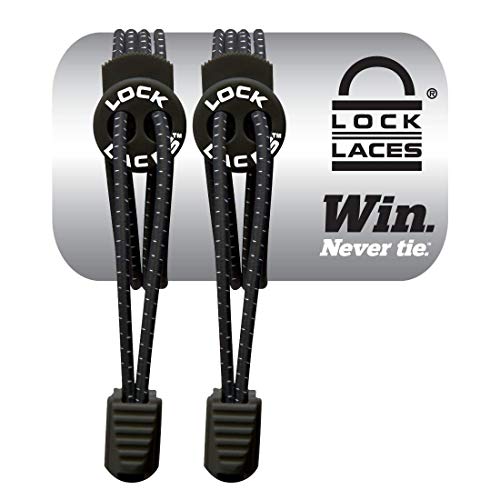
Transitions favor order. I map footfalls to my rack with a fixed count from the swim in. I stage helmet and glasses on the bars, then clip the light battery and mount clean at the line. I pack a compact headlamp for T2 and lace with elastic for one-motion entry. I rehearse the sequence twice in low light, if the venue allows pre-race access.
Essential Gear and Tech for Night Triathlons
I stack reliable lighting, bright reflectivity, and simple backups for night triathlons. I match specs to course lighting, terrain, and race rules.
Swim Safety and Sighting
I prioritize visibility for me and for others in the water. I wear a neon cap and clip an LED strobe on a tow float when the race allows it, for higher contrast and tracking in low light. The RNLI advises bright caps and tow floats to boost visibility in open water, which translates cleanly to night triathlons when organizers permit floats for warmups or escorted starts (RNLI, 2024, https://rnli.org/safety/choose-your-activity/open-water-swimming).
I sight on lit structures, not dark horizons. I pick tall landmarks with lights, like piers or finish arches, and I rehearse lines at dusk. I mark the apex buoy nearest a floodlight for cleaner navigation on each lap.
I add redundancy on goggles. I carry mirrored and clear lenses, for glare control under floodlights and for contrast in dim sections. I prefer clear or light amber at night, which aligns with low light lens guidance for clarity and depth perception from outdoor gear experts (REI Co-op, 2024, https://www.rei.com/learn/expert-advice/swim-goggles).
Bike Lights and Battery Strategy
I run a dual light setup for night triathlons. I mount a bar light for throw, and a helmet light for cornering and turns. NHTSA lists a white front light and a red rear light as core visibility at night, and CPSC requires bicycle reflectors, which supports using both active lights and passive reflectors on race bikes at night events where road rules apply around venues and egress routes (NHTSA, 2024, https://www.nhtsa.gov/road-safety/bicycle-safety, CPSC 16 CFR Part 1512, https://www.ecfr.gov/current/title-16/part-1512).
I size output to course lighting. I ride 1000–1500 lm on unlit roads, and 600–800 lm on lit courses. I set the beam to a medium spot for speed and a soft edge for depth. I lock the mount so the beam stays level on rough tarmac.
I run fresh cells, and I stage backups. I start with 90–100 percent charge, and I carry a 20 g spare rear blinky in the bento. I add an external battery for long formats, like 70.3 night races or slow bike legs. I check actual runtime at the selected mode, not max mode marketing.
I align flash patterns with rules. I use steady beam up front for better depth, and I set the rear to steady or low-flash per race briefing, since some events restrict strobing near aid stations.
Recommended bike light specs for 2025 night triathlons
| Component | Output | Beam | Runtime at race mode | Backup plan |
|---|---|---|---|---|
| Front bar light | 1000–1500 lm | Medium spot with spill | 2–3 h | External battery or second light |
| Helmet light | 400–800 lm | Tight spot | 1.5–2 h | Low mode reserve 30–40 min |
| Rear light | 20–50 lm | Wide diffused | 8–12 h | Spare blinky pre-mounted |
| Reflectors | CPSC-compliant | Rear red, side amber | Passive | Integrated on wheels or pedals |
Run Illumination and Reflective Wear
I keep the run simple and visible. I use a 200–400 lm headlamp on wide flood for path awareness, which meets common night running guidance for balanced output and runtime from outdoor experts (REI Co-op, 2024, https://www.rei.com/learn/expert-advice/headlamps.html). I add a slim chest light when the course includes unlit parks or trails.
I stack reflectivity high and low. I wear a hi-vis vest with retroreflective tape that meets ANSI/ISEA 107 performance for nighttime conspicuity, and I add ankle bands for motion-based detection, which increases driver recognition distance on shared roads and crossings (ANSI/ISEA 107-2020, overview https://www.safetyequipment.org/standard/ansi-isea-107/). I place a red clip-on at the rear of the vest for redundancy.
I pick fabrics that pop under floodlights. I choose fluorescent yellow or orange for the body, and I keep black panels small. I test glare and bounce during a dusk shakeout, for comfort and stable beams.
- Mount: Fit headlamp snug on hat or band, prevent bounce on downhills.
- Aim: Tilt beam 5–7 m ahead, preserve depth without blinding others.
- Layer: Pair reflective vest, ankle bands, wrist bands, aid volunteer sightlines.
- Backup: Pack a 30 g micro light in pocket, cover dark segments or failures.
Training and Safety Tips for Night Racing
I coach night triathlons around the world and I race them often. I keep training simple and I keep safety precise for 2025 courses with brighter lines and wider lanes.
Night-Specific Workouts
I match race timing in training to lock in pacing and vision in the dark.
- Run: Run 3 x 12 min at threshold on a lit loop at 7 to 8 pm, jog 3 min easy between, add a headlamp test like 300 to 500 lm.
- Bike: Ride 4 x 10 min at 90 to 95 percent of FTP on quiet roads after sunset, spin 5 min easy between, test dual lights like 800 lm bar and 400 lm helmet.
- Swim: Swim 8 x 200 m sighting every 6 to 8 strokes in low light, wear a neon cap and a small strobe, add 4 x 50 m fast starts.
- Brick: Ride 45 min at race effort then run 20 min steady at 7 to 8 pm, practice T2 in low light, lay out gear with reflective marks.
- Skills: Practice mounts and dismounts in a dark lot, practice cornering lines with cones, practice run stride on mixed surfaces like path and track.
Nutrition, Caffeine, and Sleep
I time fueling for an evening gun to hit peak alertness and steady gut comfort.
- Fuel: Eat a main meal 4 to 5 hours pre race with 1.5 to 2.0 g carbs per kg, eat a top up 60 min pre race like 30 to 40 g carbs.
- Fluids: Drink 5 to 7 ml per kg in the 4 hours pre race per ACSM 2016, add 300 to 600 mg sodium per hour in hot nights per ACSM 2016.
- Gels: Take 30 to 60 g carbs per hour on bike and run, use mixes like gels and chews and drink mix.
- Caffeine: Dose 3 to 6 mg per kg 45 to 60 min pre race per ISSN 2021, split top ups of 1 to 2 mg per kg in T1 or on the bike if sensitive.
- Sleep: Protect a 90 min afternoon nap if the start is late, block blue light 2 hours pre bed after the race per AASM guidance.
| Topic | Guideline | Source |
|---|---|---|
| Pre race fluids | 5–7 ml per kg in 4 h pre start | ACSM Position Stand 2016 |
| Sodium | 300–600 mg per h in long or hot events | ACSM Position Stand 2016 |
| Race carbs | 30–60 g per h for events 1–2.5 h | ACSM 2016 |
| Caffeine dose | 3–6 mg per kg 45–60 min pre | ISSN Caffeine 2021 |
| Sleep hygiene | Reduce evening light and caffeine late | AASM guidelines |
Pre-Race Checklists and Support
I lock down gear and human support so small issues do not grow in the dark.
- Pack: Pack redundant lights like front 800 to 1200 lm and rear solid plus flash and spare cells, pack reflective bands and a bright vest per ANSI 107 guidance.
- Charge: Charge headlamp and bike lights to 100 percent, place a small power bank in T2, label all cords.
- Tape: Tape glow marks on helmet and shoes, tape a cue sheet on the top tube, tape a tiny backup blinker under the saddle.
- Set: Set Garmin alerts for laps and power caps, set auto lap at key turns, set a high contrast watch face.
- Confirm: Confirm race rules on lighting and visibility with the organizer per USAT or World Triathlon rules, confirm bike check time and helmet sticker.
- Pin: Pin the bib on a race belt for a fast T2, pin a safety contact card inside the belt, pin a small cash bill.
- Load: Load bottles with electrolytes by segment like bike and run, load gels by pocket, load salt tabs in a flip cap.
- Meet: Meet your supporter at two fixed points like exit swim and exit T2, share live track links, share a plan for a DNF pickup.
- Inspect: Inspect brake pads and tire sidewalls with a bright flashlight, inspect cleats and laces, inspect quick releases and thru axles.
- Test: Test lights on course preview at race time, test goggle tint for low light like clear or light amber, test transitions with full kit.
I cite USAT Competitive Rules for equipment checks and visibility in sanctioned events and I align lighting and reflectivity with NHTSA visibility guidance for night riding.
How to Choose the Right Night Triathlon for You
I coach athletes to match race profiles with personal goals. I also race globally and pick night courses that fit my strengths and my schedule.
Distance, Terrain, and Cutoffs
I align race distance with current fitness and night skills. Sprint suits first timers and speed chasers. Olympic fits balanced racers with solid pacing. 70.3 favors experienced athletes with strong fueling plans.
I scan terrain grades and surface quality under lights. Flat loops favor even pacing and faster splits. Rolling routes test gears and vision. Technical turns raise crash risk in glare. World Triathlon rules define course safety standards and equipment control for sanctioned events according to the 2025 Competition Rules by World Triathlon. IRONMAN athlete guides list time limits and segment cutoffs for each venue according to IRONMAN race manuals.
| Distance | Total cutoff example | Swim cutoff example | Bike cutoff example | Run cutoff example | Elevation profile cue | Lighting demand |
|---|---|---|---|---|---|---|
| Sprint | 2:00–2:30 h | 0:20–0:30 h | 1:10–1:20 h | 0:30–0:45 h | Flat or mild rolling under city lights | Low to medium |
| Olympic | 3:15–3:45 h | 0:40–0:50 h | 1:45–2:00 h | 0:55–1:10 h | Mixed grades with longer laps | Medium |
| 70.3 | 7:30–8:30 h | 1:10–1:20 h | 4:00–4:30 h | 2:10–2:30 h | Sustained rollers and longer descents | Medium to high |
I test night pacing on a course that mirrors my target race. I pick lighting that matches terrain complexity first and lumens second.
Travel and Logistics
- Match flight arrival to circadian timing for a night start. Shift sleep by 60–90 minutes per day for 3–5 days if crossing 3+ time zones.
- Match check in windows with work and transit. Expect packet pickup to close 2–4 hours before the gun at many city races.
- Match gear flow to venue layout. Map parking drop zones transition entries and night bag queues.
- Check power for lights and GPS. Pack 2 sets of charged batteries or power banks for redundancy.
- Check warmup access. Confirm swim acclimation windows bike recon options and run chute rules in the athlete guide.
- Check nutrition timing. Eat a main meal 3–4 hours pre start then top up 20–30 g carbs 20–30 minutes out based on ACSM position stands.
I verify local rules on front and rear lights reflective wear and body markings according to event technical guides and World Triathlon regulations.
Community Vibe and Spectator Experience
- Prefer looped courses for family viewing. Two to four laps increase sightings and support energy.
- Prefer festival venues with music food trucks and kids zones. Crowd density boosts motivation on late segments.
- Prefer safe spectator corridors. Barricades lighting towers and marshals reduce crossing risk on bike laps.
- Prefer announcers and screens at finish. Real time splits and leaderboards add engagement for friends.
I scan past race photos videos and finisher forums for authentic vibe checks. I pick the scene that keeps me calm in the swim smooth on the bike and lifted on the run.
Registration and Planning Timeline for 2025
I map my 2025 night races early, then lock logistics in phases that match refund windows. I keep batteries, lights, and transport limits in view across every step.
When to Register
I align registration to sellout risk, then I add federation paperwork.
- Register for marquee nights first, if the race lists historic sellouts or caps, for example TriYAS, Midnight Man, Kalmar Mini Tri.
- Join or verify federation status, if the organizer requires a license or race pass, for example USA Triathlon annual or one-day license, British Triathlon Race Pass, World Triathlon sanctioned events (https://www.teamusa.org/usa-triathlon/membership, https://www.britishtriathlon.org/racing/get-a-race-pass, https://www.triathlon.org/events).
- Upload a medical document, if the host nation mandates it, for example France accepts a Fédération Française de Triathlon license or a medical certificate that meets FFTri criteria (https://www.fftri.com/licences).
- Block a training cycle that matches sunset racing, if I target July to October nights, for example 8 to 12 weeks of evening bricks and dark swims.
Timeline targets
| Month 2024–2025 | Action | Notes |
|---|---|---|
| Oct–Dec 2024 | Shortlist races, check 2024 results and cutoffs | Use course lighting, marshals, lane width from race guides |
| Nov–Jan 2025 | Register tier-1 picks | Early tiers cut costs, late tiers raise fees |
| Jan–Mar 2025 | Register tier-2 backups | Watch deferral and transfer rules on event pages |
| 8–10 weeks out | Confirm start list, add race pass or day license | USAT and British Triathlon verification can take 1–3 days |
| 6–8 weeks out | Submit medical docs where required | France, Italy, Spain often request certificates |
| 4 weeks out | Lock swim start group, check night equipment rules | Verify light specs and reflective gear list |
| 1–2 weeks out | Final waiver, athlete briefing quiz | Many events deliver virtual briefings at night hours |
Sources: USA Triathlon membership, British Triathlon Race Pass, World Triathlon events hub, FFTri licensing.
Booking Lodging and Transport
I anchor lodging near transition first, then I backfill flights or rail with bike options.
- Book walkable lodging within 0.5–1.0 miles of transition, if the race uses late check-in and night finishes, for example city-center sprints and looped park circuits.
- Select flexible rates with free change inside 48–72 hours, if the event has weather contingency or tide windows.
- Choose flights or rail that accept bikes by policy, if I travel with a hard case or soft case, for example bike as sports equipment on major airlines or as luggage on Eurostar segments, then I add early check-in.
- Reserve airport transfer with a vehicle that fits a bike case, if local taxis list size limits, for example small hatchbacks in EU cities.
- Add late checkout, if the finish sits after 10 pm, then I secure a shower and kit sort before travel.
Reference: Airline bike policies via carriers, general guidance via IATA baggage frameworks (https://www.iata.org/en/programs/ops-infra/baggage/).
Packing and Shipping Your Gear
I pack lights and batteries to aviation rules, then I protect the bike for impacts and night moisture.
- Place spare lithium-ion batteries in carry-on only, if each battery reads up to 100 Wh, for example helmet light packs and power banks, or request airline approval for 100–160 Wh units per IATA and FAA rules (https://www.iata.org/en/programs/cargo/dgr, https://www.faa.gov/hazmat/packsafe, https://www.tsa.gov/travel/security-screening/whatcanibring/items/batteries).
- Mount batteries to devices or remove and carry-on, if the pack detaches, for example headlamps and action cameras.
- Carry CO2 cartridges only when the airline permits 2 small cartridges per passenger, if local rules allow, then declare at security per IATA Table 2.3.A and TSA guidance (https://www.iata.org, https://www.tsa.gov).
- Protect the drivetrain with a guard, if I ship the bike, then I pad the rear derailleur, brake rotors, and fork tips.
- Label the case with name, phone, email, event, if baggage reroutes, then I add an AirTag or Tile.
- Pack a night-race essentials pouch, if check-in bags delay, for example headlamp, reflective vest, clip-on red LED, tinted and clear lenses, race kit, swim cap, goggles.
- Ship with tracked services 7–10 days out, if sending to a hotel or a race partner, then I confirm storage and delivery windows with the front desk.
- Create a light checklist by discipline, if the course mandates visibility gear, for example swim strobe, bike front 400–800 lm on lit courses or 800–1200 lm on dark roads, bike rear 20–60 lm steady or pulse, run headlamp 200–400 lm.
Regulatory sources: IATA Dangerous Goods, FAA PackSafe, TSA batteries and compressed gas pages.
Conclusion
Night racing still feels like stepping into a secret world under the lights and I love it. If your goals include a fresh challenge in 2025 pick a race set a date and start building habits that fit the evening start. Train smart dial in your kit and keep your plan simple.
I hope my picks and framework help you choose with confidence. Trust your prep respect the dark and let the energy carry you. If you try one this year tell me how it goes and what you learned. I will be cheering for you from the first glow to the final arch.