Training for a summer triathlon is an exciting challenge that pushes your limits and tests your endurance. I’ve found that getting ready for the swim, bike, and run while battling the heat takes a bit of strategy and a lot of motivation. But with the right approach, you can not only survive the summer sun but thrive in it.

Over the years, I’ve learned some handy tips to stay cool, build stamina, and avoid burnout during those hot training days. Whether you’re a first-timer or a seasoned athlete, preparing smartly for a summer triathlon can make all the difference. Let’s dive into how you can set yourself up for success while enjoying every step of the journey.
Understanding the Demands of a Summer Triathlon
Summer triathlons test both your body and mind in unique ways. Knowing these demands helps tailor your training and race-day approach effectively.
Unique Challenges of Summer Races
Heat and humidity increase dehydration risk and slow recovery. Strong sunlight raises core temperature, affecting endurance during swimming, biking, and running. Water temperatures vary, sometimes requiring adjustments to wetsuit use or swim technique. Course conditions often include exposed routes, which increase sun exposure and fatigue. Equipment choices matter more; breathable clothing and light, aerodynamic gear improve comfort and performance. Nutrition timing shifts as electrolyte needs rise and gastrointestinal tolerance changes in heat.
Physical and Mental Preparation
Building heat acclimation through progressive exposure improves sweat response and cardiovascular efficiency. Hydration strategies must focus on maintaining electrolyte balance instead of just water intake. Training sessions benefit from simulating race conditions—practicing in full gear during peak heat hours. Mental toughness comes from rehearsing pacing, adapting to discomfort, and visualizing race scenarios. Recovery routines emphasize cooling techniques and replacing lost nutrients. Adjusting expectations to embrace slower paces prevents frustration and burnout during training and race day.
Training Strategies for Summer Triathlon
Training for a summer triathlon demands targeted strategies that address heat, endurance, and skill. I focus on swim, bike, and run workouts that build strength while managing summer conditions effectively.
Swim Training Tips
I emphasize open-water swims over pool laps to mimic race environments, since water temperature and currents vary. I practice sighting every few strokes to stay on course, as straight swimming saves energy. I include interval sets, such as 10 x 100 meters with 20 seconds rest, to build speed and endurance. I wear a wetsuit when possible to simulate race gear and get comfortable with its feel. Breathing bilaterally helps balance stroke efficiency and adapt to waves or sun glare. Swim drills focusing on catch and pull improve propulsion in warmer water, where sluggish technique can drain energy fast.
Cycling Preparation
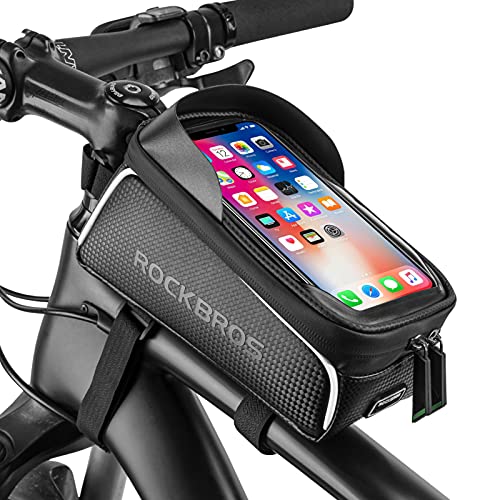
I prioritize long rides in heat, aiming for 2-3 hours at moderate intensity to build endurance and acclimate to the sun. I incorporate brick workouts—bike then run sessions—to adapt muscles for race transitions. I practice hydration strategies, sipping 500-750 ml per hour using electrolyte drinks, avoiding dehydration. I focus on cadence drills around 85-95 RPM to increase pedaling efficiency and reduce muscle fatigue. Riding on varied terrain simulates race day conditions and improves overall strength. I also test gear setups, such as aerodynamic helmets and clip-on aero bars, to find balance between comfort and speed.
Running Workouts
I schedule steady-state runs at 70-80% max heart rate to develop aerobic capacity and heat tolerance. I integrate tempo runs over 20-40 minutes to push lactate threshold closer to race pace. Trail running or runs on softer surfaces reduce joint stress during high summer mileage. I practice running immediately after cycling, starting with 10-15 minute bricks and extending to 30-45 minutes, to train the legs for that stiff, heavy feeling. I run during cooler parts of the day when possible but don’t avoid midday sessions entirely, since race timing may include heat exposure. I focus on form drills to maintain efficiency when fatigued and reduce injury risk.



Nutrition and Hydration
Mastering nutrition and hydration fuels your body for peak performance in a summer triathlon. I focus on tailored strategies that support energy demands and heat management during training and race day.
Pre-Race Nutrition
Eating balanced meals rich in carbohydrates—like whole grains, fruits, and vegetables—tops my pre-race checklist. Carbs provide the necessary glycogen stores for swim, bike, and run legs. I recommend consuming a high-carb meal 3-4 hours before the race, paired with moderate protein and low-fat content to aid digestion. About 30-60 minutes before the start, a small snack such as a banana or a sports bar helps stabilize blood sugar without causing discomfort. Avoid heavy or unfamiliar foods that might disrupt your stomach during the race.
Staying Hydrated in the Heat
Hydration remains the cornerstone of summer triathlon success. I hydrate consistently throughout training days by drinking fluids every 15-20 minutes, aiming for roughly 20-24 ounces per hour, adjusting for sweat rate and climate. Electrolyte-rich drinks replace sodium, potassium, and magnesium lost through sweat. On race day, I start hydrated and continue sipping fluids during transition and each discipline, using bottles or hydration packs designed for easy access. Monitor urine color as a hydration gauge; pale yellow indicates adequate hydration. Dehydration impairs endurance and cognitive function, so avoid waiting until thirsty to drink.
Recovery Nutrition
Post-training and race recovery demand quick replenishment of glycogen and muscle repair nutrients. I consume a 3:1 ratio of carbohydrates to protein within 30 minutes after activity, such as a smoothie with fruit and whey protein or a sandwich with lean meat and whole-grain bread. Hydrating with water or electrolyte drinks supports rehydration. I also focus on antioxidants from berries or leafy greens to reduce inflammation and speed recovery. Proper recovery nutrition shortens the window to return stronger for the next session or race.
Gear and Equipment Essentials
Preparing for a summer triathlon means gearing up with equipment that handles heat and optimizes performance. I focus on lightweight, breathable, and functional gear to make race day comfortable and efficient.
Choosing the Right Clothing
Start with moisture-wicking fabrics designed to pull sweat away from your skin. I always pick tri suits or shorts and tops made of materials like polyester or nylon blends with mesh panels for ventilation. Bright colors reflect sunlight better and keep your body cooler. Also, seamless designs reduce chafing during all three stages. Don’t forget UV-protective clothing to guard against sunburn over long hours outdoors.
Selecting Appropriate Gear for Heat
Opt for a helmet with multiple ventilation holes; air circulation reduces overheating on the bike. Sunglasses with UV protection shield your eyes from the harsh summer sun and glare off water. I recommend a lightweight swim cap that doesn’t trap heat and wetsuits compatible with warmer water temperatures, often thinner or sleeveless. Hydration gear is essential too—use bike-mounted bottles or hydration packs with electrolyte-rich drinks to maintain balance and energy.
Safety and Comfort Considerations
Comfort and safety go hand in hand, especially when heat and exertion peak. I suggest applying anti-chafing balm on common friction spots and using sunscreen rated SPF 30 or higher, water-resistant, and sweat-proof. Check your gear fit carefully; avoid tight straps or clothing that restricts movement or airflow. Use timing devices like GPS watches, which help monitor pace and hydration reminders. Finally, preparing a small first aid kit in your transition area can handle minor scrapes or blisters quickly.
Race Day Tips for Summer Triathlon
Race day demands smart strategies for handling summer’s heat and maintaining energy across all three disciplines. My experience as a triathlon coach has shown that precise preparation and focused tactics keep you strong and comfortable from start to finish.
Managing Heat During the Race
Start by staying hydrated before the race and taking advantage of aid stations on the course. Drink small amounts regularly instead of waiting until you’re thirsty. Wear light-colored, breathable clothing and a well-ventilated helmet to reflect sunlight and promote cooling. Apply waterproof sunscreen generously to exposed areas, and consider pouring water over your head and shoulders at water stations to drop core temperature quickly. If the swim is in open water, anticipate warmer water temperatures that can increase fatigue—adjust your pace accordingly to conserve energy.
Pacing and Energy Management
« What to Do If You DNF a Triathlon: Recovery Tips and How to Bounce Back Stronger
Ultimate Triathlon Race Day Packing List: Gear, Nutrition & Tips for a Stress-Free Race »
Begin the race with a controlled pace; avoid sprinting early to prevent premature fatigue. Use consistent, steady strokes during the swim, and maintain cadence on the bike that keeps your heart rate in a sustainable zone. Fuel with electrolyte-rich gels or drinks every 30 to 45 minutes, depending on race intensity and heat. Monitor effort by perceived exertion and, if available, heart-rate zones to stay within target limits. On the run, slow down if you sense heat exhaustion symptoms like dizziness or excessive sweating. Smooth pacing extends endurance and improves overall performance in hot conditions.
Transition Area Strategies
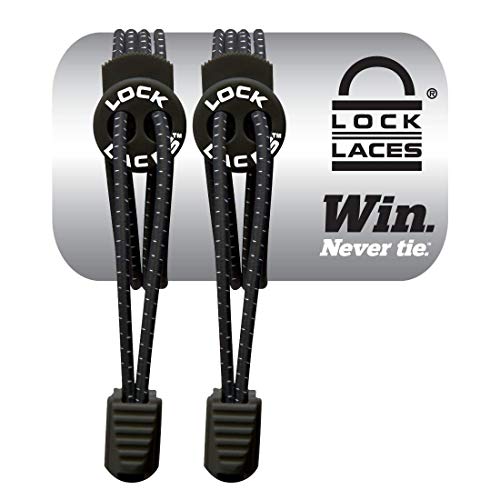
Prepare your transition zone for efficiency by laying out gear in the order of use. Use quick-dry towels and place sunscreen and hydration inside easy reach. Wear elastic shoelaces on your running shoes to speed up lacing. Keep a spare water bottle or electrolyte mix near your setup for extra cooling. Practice transitions in training to reduce time and stress during race day. The quicker and smarter your transitions, the less energy you waste and the more you conserve for the final leg.
Conclusion
Taking on a summer triathlon is a rewarding challenge that pushes you to grow both physically and mentally. With the right preparation and mindset, you can handle the heat and enjoy every moment of the journey. Remember to listen to your body, stay flexible with your training, and celebrate the small victories along the way.
At the end of the day, it’s about having fun and feeling proud of what you’ve accomplished. Whether it’s your first race or your tenth, each step forward is a win worth savoring. Keep your goals in sight and trust the process—you’ve got this!